
What Businesses Say About Shopaccino as a Multivendor Marketplace Software
Choosing multivendor marketplace software is a long-term decision - and the wrong choice can cost you months of rebuilding. Independent review platforms give you an unfiltered view of how the platform actually performs for real businesses - across setup, vendor management, daily operations, and customer support. Here is how Shopaccino is rated across four major review platforms by verified merchants who have used it as their multivendor marketplace software of choice.




What Is a Multivendor Ecommerce Website - And How Is It Different from a Regular Online Store?
A regular ecommerce store has a single seller. Everything - products, orders, inventory, pricing - is managed by one business under one account. A multivendor ecommerce website operates on a completely different model. The business owner becomes a marketplace administrator, and multiple independent sellers join the platform to list and sell their own products. Whether you call it a multi vendor ecommerce site or a multivendor marketplace software solution - the core concept is the same: one platform, many sellers, one admin in control.
Each seller on the marketplace - called a vendor - operates from their own dedicated account. They list their products, fulfil their orders, and track their own sales performance independently. Customers browsing the marketplace see products from all vendors in one unified storefront with a single checkout experience. The marketplace owner earns from the platform - through a commission on each vendor's sales, a fixed arrangement, or any deal structure they negotiate with individual vendors.
|
Single Vendor Store
|
Multivendor Ecommerce Website
|
|---|---|
|
One business sells all products
|
Multiple independent vendors sell their own products |
|
Owner manages every product listing
|
Each vendor manages their own catalogue from a dedicated account |
|
Single inventory, single order flow
|
Separate inventory per vendor, orders routed automatically per seller |
|
Owner earns only from direct sales
|
Marketplace owner earns via an agreed deal per vendor |
|
Product range limited to one brand
|
Product range grows with every new vendor added to the platform |
|
One login, one operational view
|
Admin controls the platform; vendors operate independently in their own space |
How Shopaccino's Multivendor Ecommerce Platform Works - For the Admin and for Each Vendor
Shopaccino's multivendor ecommerce platform is built around two distinct roles - the marketplace admin and the vendor. Understanding how each role operates is the clearest way to see how the platform functions in practice.

What the Marketplace Admin Does
- Sets up and customises the marketplace storefront and brand
- Reviews and approves or rejects each vendor application
- Defines what each vendor can do - add/edit product information, manage stock and order fulfilment
- Configures payment gateways, shipping zones, and platform-wide policies
- Monitors overall marketplace performance from the centralised admin panel

What Each Vendor Does
- Receives individual login credentials after connecting with admin
- Lists and manages their own products - descriptions, images, pricing, and stock
- Receives and processes only their own portion of each order
- Tracks their own sales, inventory levels, and order history independently
- Operates within the rules the admin has set - no access to admin panel or other vendor data
Which Businesses Should Consider a Multi Vendor Ecommerce Site?
Shopaccino's multivendor model works for any business that wants to bring multiple sellers onto one platform - whether they are suppliers, resellers, independent artisans, or regional distributors. Here are the business types that benefit most from this model.

B2B Distributors with Multiple Suppliers
If you source products from several manufacturers or suppliers, onboard each as a vendor. They manage their own catalogue and stock, you control which products reach your buyers and how fulfilment is routed across suppliers.

Category Marketplace Operators
Launching a niche platform - handloom fabrics, organic products, artisan jewellery, specialty electronics - where independent sellers list under one marketplace brand? Shopaccino gives you the infrastructure without building from scratch.

Manufacturers Managing Authorised Resellers
Give each authorised dealer or regional reseller their own vendor account. They handle their territory's sales and order management. You maintain brand standards, pricing frameworks, and product quality control across all resellers.

Exporters Building Cross-Border Marketplaces
Onboard vendors from multiple regions, configure multi-currency checkout and international shipping per vendor, and accept global orders - with every transaction routed to the correct seller based on product and location.

Retailers Expanding into a Marketplace Model
If you are already on Shopaccino and want to open your platform to external sellers, the TailorMade plan lets you add multivendor capability to your existing store - keeping your current setup intact while unlocking the marketplace layer on top.

Startups Building a Marketplace from the Ground Up
For first-time marketplace builders, Shopaccino removes the technical and financial barriers. Reach out to the Shopaccino team, get your dedicated marketplace trial configured, and start onboarding your first vendors - without a development team.
From First Contact to First Live Vendor - How to Launch on Shopaccino
Launching a multivendor ecommerce website on Shopaccino follows a clear, structured process. Here is each step from initial setup to your marketplace going live with active vendors.

Contact the Shopaccino Team
Multivendor is available on the TailorMade plan. Share your marketplace concept, vendor count, and business requirements with the Shopaccino team. They configure a dedicated trial environment matched to your marketplace model.

Set Up Your Marketplace Rules
Before any vendor joins, define your platform structure - product permissions, order allocation, and your earning arrangement per vendor. Your rules govern how every seller operates on your platform.

Design Your Marketplace Storefront
Select from a variety of industry-specific, mobile-responsive themes. Customise your brand identity - logo, colours, typography, and homepage layout. Every buyer who visits your marketplace experiences your brand, not the platform behind it.

Add Your First Vendors
Share the vendor's login credentials so they can log into their own vendor account immediately and begin setting up their independent storefront within your marketplace.
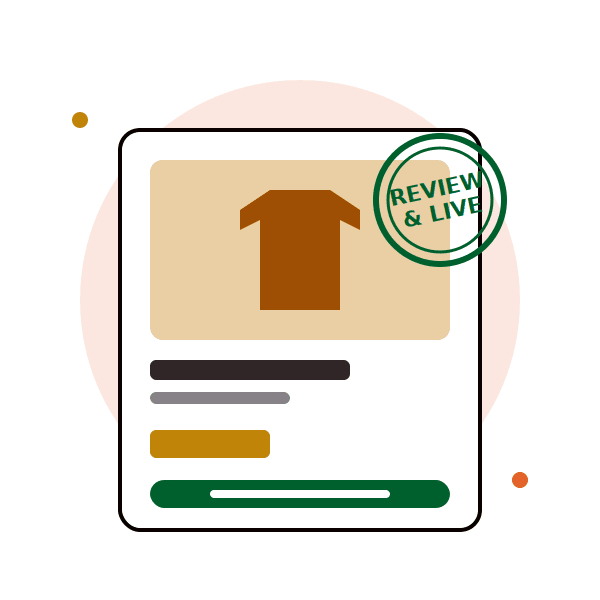
Vendor Product Listings Go Through Your Review
Vendors populate their catalogues - product descriptions, pricing, images, and inventory - from their own dashboard. Listings can be reviewed and approved by you before going live on the marketplace.
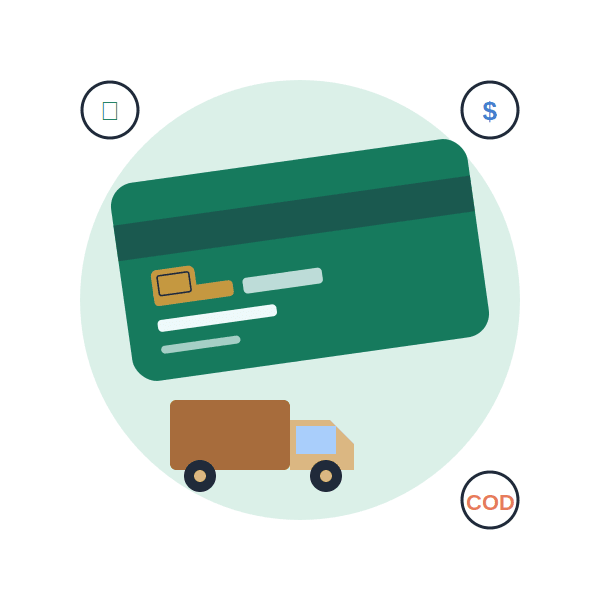
Activate Payments and Configure Shipping
Enable the payment gateways your buyers use - Razorpay, Paytm, UPI, COD, Stripe, PayPal, and more. Set up shipping zones and logistics carrier integrations. All vendor orders flow through the payment and fulfilment configuration you control.

Publish Your Marketplace and Go Live
Connect your custom domain, submit your sitemap to Google Search Console, and publish. Your marketplace is live - vendors start receiving orders, and every transaction is automatically routed to the correct seller.
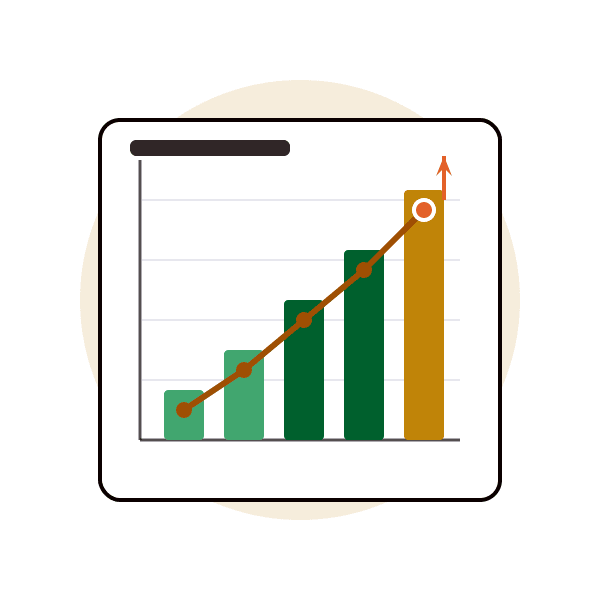
Grow Your Vendor Network and Scale
Add new vendors, expand product categories, and monitor performance - all from your centralised admin panel. Your marketplace scales as your vendor network grows, without operational complexity increasing proportionally.
Shopaccino vs Other
Multivendor Marketplace Software - Feature by Feature
Not all multivendor ecommerce platforms are built the same way. Businesses searching for the best multi vendor marketplace software often find that most options either rely heavily on third-party apps or demand significant technical setup before a single vendor can go live. Here is an honest, feature-by-feature comparison of how Shopaccino performs as a multi vendor ecommerce site solution against other common approaches.
| Feature | Shopaccino | Shopify + App | WooCommerce + Plugin | Custom Build |
|---|---|---|---|---|
| Marketplace Foundations | ||||
| Vendor onboarding | ✓ Built-in | Paid app needed | Plugin needed | Custom dev |
| Individual vendor dashboards | ✓ Built-in | Paid app needed | Plugin needed | Custom dev |
| Product management as per the vendor | ✓ Built-in | Paid app needed | Plugin needed | Custom dev |
| Automatic order splitting | ✓ Built-in | Paid app needed | Plugin needed | Custom dev |
| Payments & Shipping | ||||
| Indian payment gateways (COD, UPI) | ✓ Built-in | App needed | Plugin needed | Custom dev |
| Multi-currency checkout | ✓ Built-in | Third-Party Apps | Plugin needed | Custom dev |
| Multi-warehouse order routing | ✓ Built-in | Third-party app | Plugin needed | Custom dev |
| Operations & Cost | ||||
| SEO tools for marketplace pages | ✓ Built-in | ✓ Built-in | Plugin needed | Custom dev |
| Platform transaction fee | 0% ✓ | 0.5% – 2% | 0% (self-hosted) | 0% |
| Time to go live | 2 – 5 days | 1 – 4 weeks | 2 – 8 weeks | 3 – 6 months |
| Hosting & security managed | ✓ Managed | ✓ Managed | Self-managed | Self-managed |
Brands Built on Shopaccino


Ready to launch your own multivendor marketplace?
From vendor onboarding to automatic order splitting, Shopaccino gives you everything you need to run a multi vendor ecommerce site - natively, without plugins or custom development.

Globally Recognized Certifications



Frequently Asked Questions
Discover How Shopaccino Can Empower Your Business
Experience a live, customized demo of Shopaccino and get answers to all your questions.
What to Expect in This Demo:
Personalized Walkthrough of the Shopaccino Platform
Understand how Shopaccino can transform your online store.
One-on-One Session with Our Product Expert
Get detailed insights from a platform expert who will address your specific needs.
Learn How to Go Live Quickly - Once Your Content is Ready
Watch how quickly Shopaccino can help you launch and customize a professional store.
Learn How Shopaccino Integrates with Your Business
Discover how our features and tools can help streamline your operations and grow your business effectively.