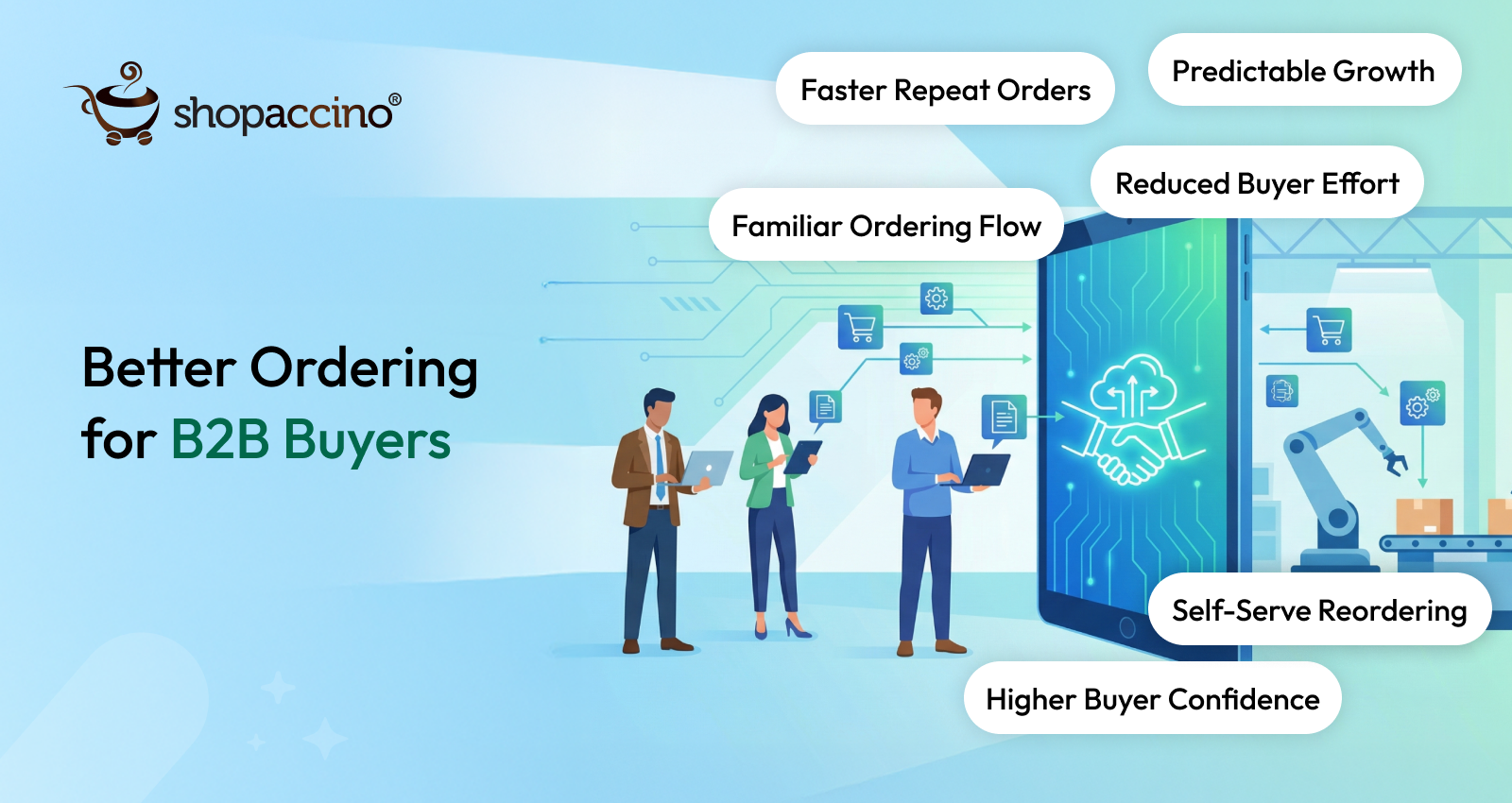
Easy Ordering Experiences That Boost Re-Purchases From B2B Buyers
In B2B commerce, growth rarely comes from one-time transactions. It comes from repetition. The brands that grow steadily are not always the ones with the lowest prices or the biggest catalogues, but the ones that make buying feel effortless every single time.
For a B2B buyer, ordering is not an emotional decision. It is a responsibility. A distributor placing a replenishment order, a wholesaler restocking inventory, or a manufacturer sourcing components is under pressure to get things right. One wrong quantity, one missed SKU, or one delayed confirmation can disrupt their entire downstream business.
This is why ordering experience plays a silent but powerful role in repeat purchases. When the ordering process feels familiar, predictable, and stress-free, buyers return without hesitation. When it feels confusing or time-consuming, buyers delay orders—or quietly switch suppliers.
In 2026, easy ordering is no longer a “nice experience.” It is a business advantage. This blog explores how simplified ordering journeys encourage B2B buyers to reorder faster and more confidently, and how digital systems turn convenience into long-term loyalty.
Challenging Area: Why B2B Buyers Don’t Reorder as Often as Expected
Many B2B sellers are surprised when buyers don’t reorder even after a successful first transaction. The product was good. The delivery was on time. Pricing was acceptable. Yet repeat orders slow down.
The reason is rarely product quality. It is almost always process friction.
Every Order Feels Like Extra Work
In traditional B2B workflows, placing an order feels like a task that requires effort. Buyers must gather product lists, confirm prices again, check availability, and wait for acknowledgment. Even repeat buyers feel like they are starting from zero each time.
Over time, this effort becomes mental resistance.
Uncertainty Creates Hesitation
When buyers are unsure whether prices have changed, whether stock is available, or whether last time’s order details were correct, they pause. That pause delays the reorder cycle.
Manual Ordering Invites Mistakes
Human-driven ordering—through messages or spreadsheets—leaves room for error. Buyers compensate by double-checking everything, which slows decisions.
Dependence on Sales Teams Breaks Momentum
If reordering depends on a sales representative’s availability, ordering becomes unpredictable. Buyers prefer systems that work even when people are busy.
Lack of Familiarity Reduces Comfort
Buyers prefer repeating what they already know works. When systems don’t remember past behaviour, buyers feel less confident.
Their Customer Challenging Area: How B2B Buyers Actually Think About Ordering
Understanding B2B re-purchases requires understanding buyer psychology—not in emotional terms, but in practical ones.
Buyers Value Mental Ease
They want ordering to feel routine, not demanding. Familiar screens, remembered preferences, and predictable flows reduce decision fatigue.
Buyers Want to Avoid Risk
Risk for a buyer is not financial alone. It includes operational disruption. They prefer repeating past orders because they already know the outcome.
Buyers Want Control Over Time
They want to place orders when it suits their schedule—not when someone else is available.
Buyers Prefer Systems Over Conversations
While relationships matter, buyers prefer systems for routine tasks. Conversations are reserved for exceptions, not everyday ordering.
Buyers Equate Simplicity With Professionalism
A smooth ordering experience signals that the supplier is organised, reliable, and scalable.
Solution: How Integrated Ecommerce Platforms Enable Easy, Repeatable Ordering
Easy ordering is not about removing options. It is about removing unnecessary thinking.
An integrated ecommerce platform structures the entire buying journey so that repeat purchases feel natural rather than effortful.
Platforms like Shopaccino help B2B sellers design ordering experiences that quietly guide buyers toward re-purchases—without reminders or pressure.
Structured Product Discovery
Instead of hunting through PDFs or messages, buyers browse organised catalogues where everything looks familiar from previous orders.
Personalised Pricing Without Explanation
Buyers see their own prices immediately. No negotiation. No reconfirmation. This consistency builds confidence.
Visible Order History as a Reference Point
Past orders become a safety net. Buyers don’t need to remember details—they simply review and repeat.
Reorder Paths That Reduce Effort
Reordering becomes a continuation of past behaviour, not a new task.
Instant Feedback Builds Trust
Immediate order confirmation reassures buyers that everything is moving forward smoothly.
How to Implement Easy Ordering That Encourages Re-Purchases
Step 1: Treat Ordering as a Habit, Not an Event
Design systems assuming buyers will return. Every element should support repetition.
Step 2: Simplify Product Structure
Clear naming, consistent SKUs, and predictable variants reduce confusion.
Step 3: Segment Buyers Thoughtfully
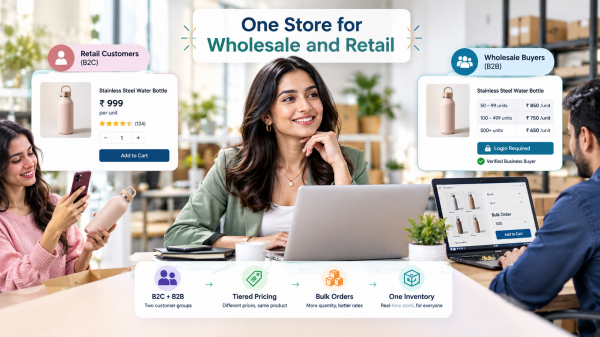
Group buyers such as Manufacturers, Wholesalers, Distributors, Exporters, and established D2C Brands based on how they order and reorder.
Step 4: Give Buyers Ownership of the Process
Login access, dashboards, and saved orders empower buyers.
Step 5: Reduce Decision Points
Fewer confirmations, fewer steps, fewer surprises.
Step 6: Make Reordering the Fastest Option
The fastest path should always be repeating what already worked.
Step 7: Observe and Improve
Track reorder frequency and remove friction continuously.
Customer Segmentation
Easy ordering impacts every B2B segment differently but positively:
- Manufacturers benefit from consistent dealer replenishment
- Wholesalers reduce order processing time
- Distributors manage multi-outlet reorders efficiently
- Exporters simplify long-cycle repeat purchases
Established D2C Brands stabilise
Benefits: How Easy Ordering Directly Increases Re-Purchases
Re-Purchases Become Automatic
When ordering is easy, buyers reorder without delay.
Confidence Replaces Confirmation
Buyers stop asking questions because the system answers them.
Errors Decline Naturally
Structured flows reduce mistakes without effort.
Sales Pressure Reduces
Buyers return on their own terms.
Relationships Strengthen Quietly
Ease builds loyalty without negotiation.
Growth Becomes Predictable
Repeat behaviour stabilises revenue.
Conclusion
In B2B commerce, loyalty is rarely emotional. It is practical. Buyers return to suppliers who save them time, reduce risk, and remove effort.
Easy ordering experiences transform re-purchases from a decision into a habit. When buyers know exactly what to do, what to expect, and how fast things will move, they come back—again and again.
With integrated ecommerce platforms like Shopaccino, businesses can design ordering journeys that feel familiar, dependable, and efficient. In a competitive B2B market, simplicity is often the strongest reason buyers stay.
FAQs
Because repeat buyers value speed, familiarity, and predictability over exploration.
Yes, clarity and past references remove uncertainty.
Absolutely. Less effort leads to faster reorders.
Yes, structure matters more as complexity increases.
Only for exceptions—not routine orders.
Yes, repeat purchases stabilise cash flow.