Why Indian Brands are Switching to All-in-One Ecommerce Platforms
India’s ecommerce ecosystem has matured faster in the last five years than in the previous decade. What started as a marketplace-driven opportunity has now evolved into a competitive, brand-led digital economy. Indian brands are no longer satisfied with just selling online—they want control, scalability, operational clarity, and long-term profitability.
This shift is pushing many businesses to rethink their technology stack. Instead of managing multiple disconnected tools for website development, inventory, marketing automation, payments, and order management, brands are increasingly choosing all in one ecommerce platforms.
The movement toward unified ecommerce systems is not accidental. It is driven by operational complexity, rising marketing costs, customer expectations, and the need for speed in a highly competitive market.
In this blog, we explore why Indian brands are switching to all-in-one ecommerce platforms, what challenges they are solving, and how this shift is reshaping the future of ecommerce software in India.
The Changing Landscape of Ecommerce in India
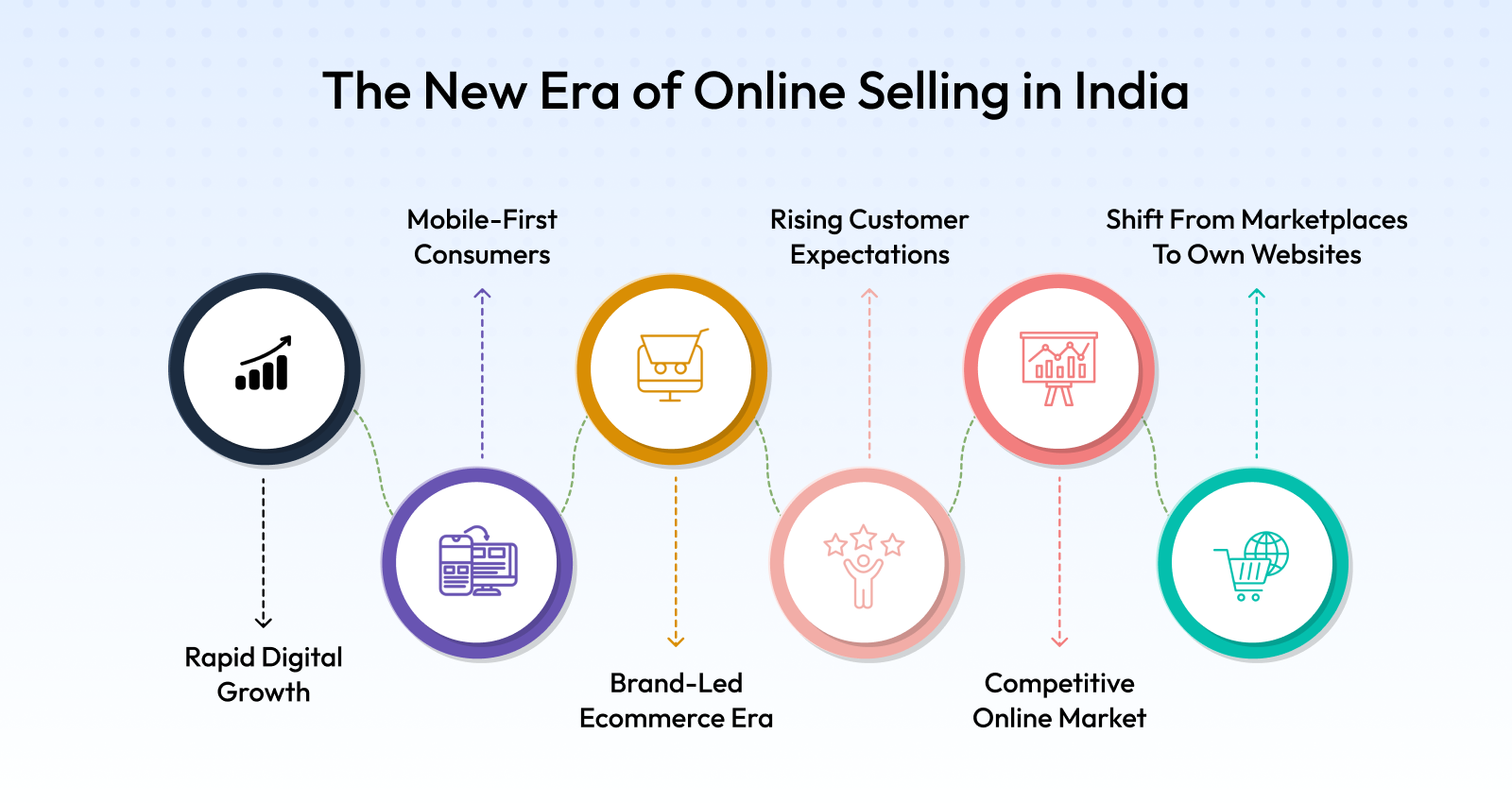
To understand why Indian brands are moving toward integrated ecommerce systems, it is important to first understand how the ecommerce environment itself has changed.
India is no longer in the early adoption phase of ecommerce. Consumers are digitally aware, mobile-first, and increasingly brand-conscious. Businesses are no longer experimenting—they are scaling.
The Rise of Digital-First Indian Brands
In the past, many Indian brands treated ecommerce as an extension of offline sales. Today, a new generation of digital-first brands is emerging, building their entire identity around online channels.
These brands operate differently:
- They launch online before offline
- They rely heavily on digital marketing
- They prioritize data-driven decisions
- They compete nationally from day one
This digital-first mindset demands stronger infrastructure. Traditional setups built on fragmented tools struggle to support rapid experimentation and scale. As competition intensifies, brands require ecommerce software that enables agility, integration, and operational control.
Why Fragmented Ecommerce Setups are Becoming Inefficient
For years, many brands managed their online operations using separate tools:
- One platform for website development
- Another for payment processing
- A third for inventory management
- Separate systems for marketing automation
- Manual reporting through spreadsheets
While this worked at smaller scales, growth introduces complexity. Data inconsistencies, integration errors, operational delays, and miscommunication between systems start affecting performance.
Fragmented systems often result in:
- Inventory mismatches
- Delayed order updates
- Inconsistent customer communication
- Higher operational costs
Indian brands seeking efficiency are increasingly realizing that disconnected systems slow down decision-making and reduce agility.
The Demand for Speed and Operational Clarity
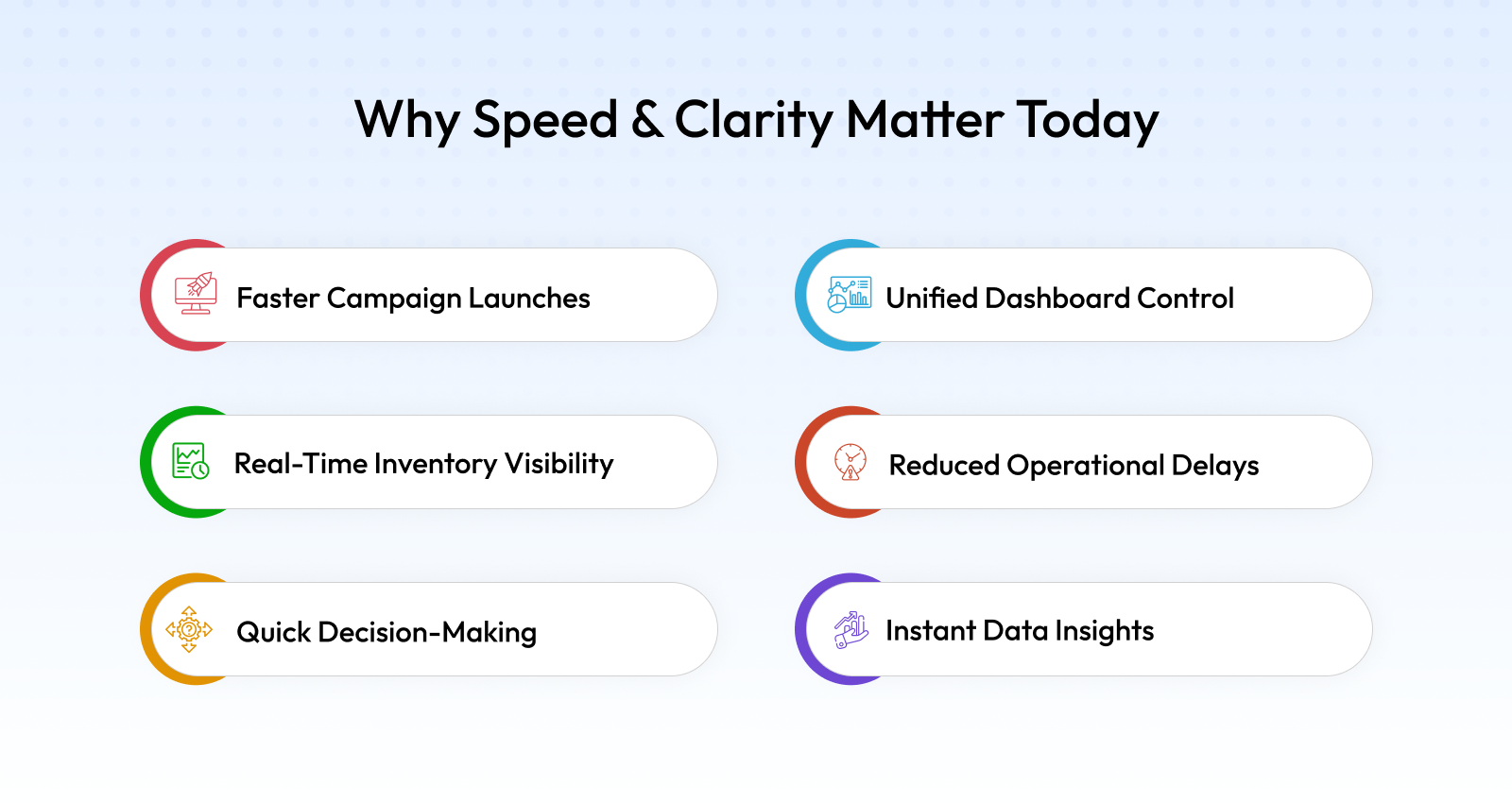
In India’s competitive ecommerce environment, speed matters. Brands must launch campaigns quickly, introduce new products rapidly, and respond to customer behavior instantly.
When ecommerce software requires multiple integrations or technical dependencies, agility suffers. Marketing teams wait for technical updates. Operations teams struggle with data mismatches. Leadership lacks unified reporting.
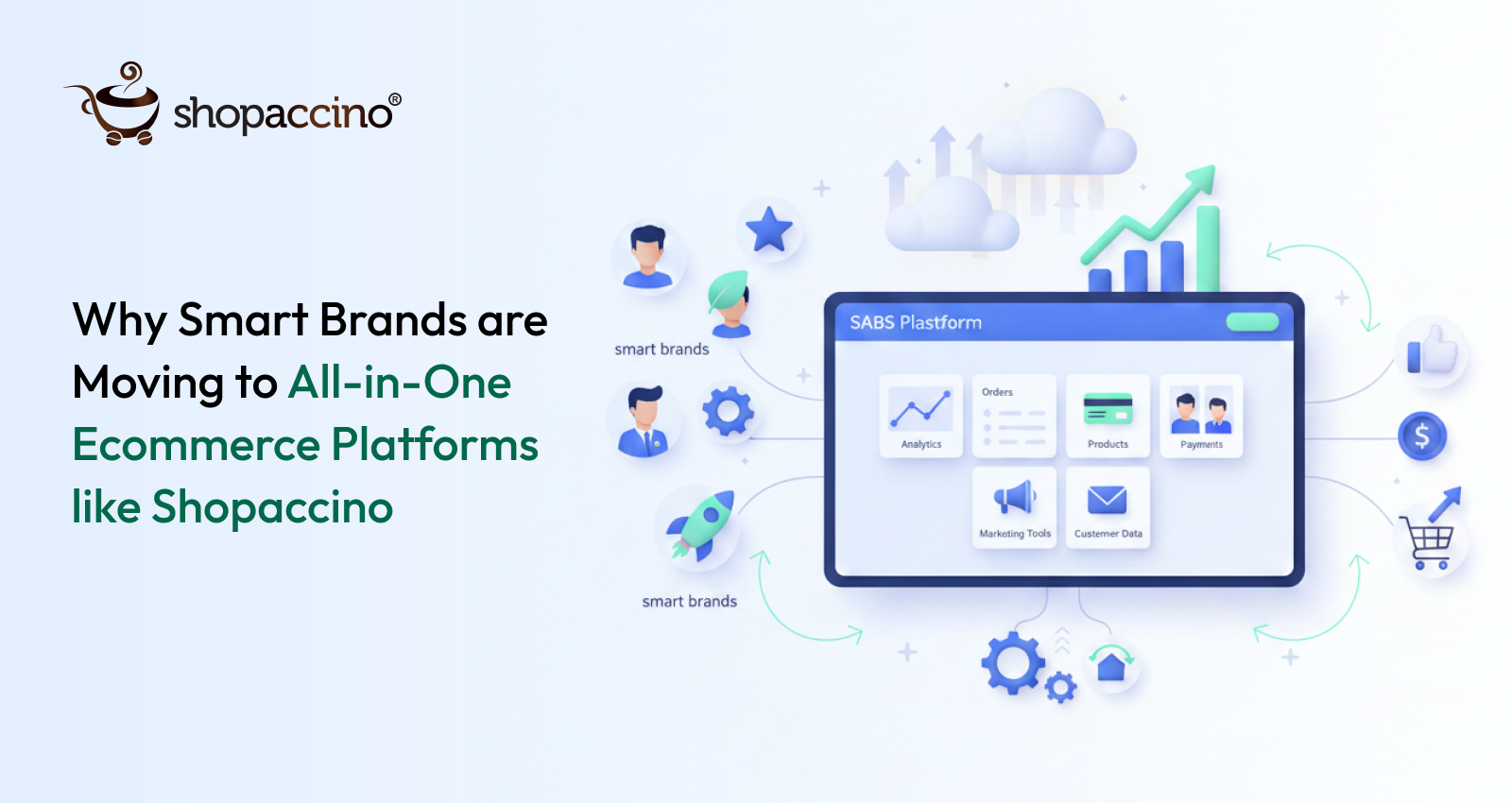
An all in one ecommerce platform eliminates these silos by centralizing operations. It provides a single ecosystem where website management, inventory, payments, marketing tools, and analytics work together seamlessly.
Operational clarity leads to faster execution—and faster execution drives growth.
Why SaaS Ecommerce Platforms are Gaining Momentum in India
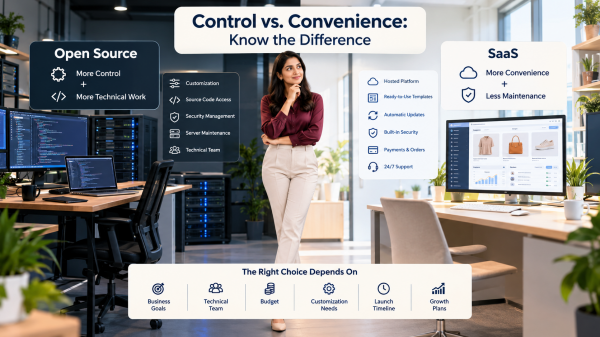
One of the biggest shifts in the Indian e-commerce landscape is the growing preference for saas ecommerce platform solutions.
Software-as-a-Service (SaaS) ecommerce platforms offer:
- Cloud-based infrastructure
- Automatic updates
- Reduced maintenance burden
- Scalable hosting environments
- Lower upfront investment
For Indian brands, especially growing D2C businesses, SaaS platforms provide predictable costs and simplified management. Instead of investing heavily in custom development and ongoing maintenance, businesses can focus on marketing, product development, and customer experience.
This shift toward SaaS reflects a broader trend of operational simplification.
Rising Customer Expectations Are Changing Platform Requirements
Indian consumers are now accustomed to:
- Fast delivery
- Seamless mobile experiences
- Secure payment options
- Personalized communication
- Transparent order tracking
Meeting these expectations requires integrated ecommerce software. When systems are fragmented, delivering consistent customer experiences becomes difficult.
All-in-one ecommerce platforms support synchronized inventory, automated order updates, integrated payment gateways, and streamlined checkout experiences. These capabilities directly influence customer satisfaction and repeat purchase rates.
Why Cost Efficiency Is Driving Platform Consolidation
Managing multiple ecommerce tools often increases operational costs. Brands pay separately for:
- Hosting
- Security updates
- Plugin licenses
- API integrations
- Third-party automation tools
Over time, these costs accumulate and reduce profit margins.
A best saas ecommerce platform consolidates many of these functionalities into a single subscription model. This reduces financial unpredictability and improves cost transparency.
Indian brands, especially startups and mid-sized businesses, are prioritizing platforms that offer both scalability and cost efficiency.
Data Centralization: The Backbone of Modern Ecommerce
Modern ecommerce decisions rely heavily on data. From campaign performance to inventory planning, insights drive growth.
When data is scattered across multiple systems, analysis becomes complicated and time-consuming. Centralized ecommerce software simplifies reporting by providing unified dashboards and integrated analytics.
This data visibility enables:
- Better forecasting
- Smarter marketing allocation
- Improved inventory planning
- Faster decision-making
In India’s fast-moving ecommerce landscape, brands that act quickly on data gain competitive advantage.
Preparing for the Shift Toward All-in-One Ecommerce Platforms
The transition toward all in one ecommerce platforms is not merely a technological upgrade—it is a strategic shift.
Indian brands are recognizing that sustainable growth requires:
- Integrated systems
- Scalable infrastructure
- Operational efficiency
- Reduced technical complexity
- Centralized data management
As ecommerce matures in India, the need for unified solutions becomes more evident.
The Operational Challenges Driving the Shift
Indian ecommerce brands are not switching platforms because it is trendy. They are switching because growth exposes weaknesses in fragmented systems. What works during the early launch phase often becomes inefficient during scaling.
As order volumes grow, marketing becomes more aggressive, and customer expectations rise, operational cracks begin to show. These cracks are pushing brands toward integrated ecommerce software solutions that offer clarity, speed, and control.
Let us explore the most common challenges that are accelerating this shift.
Managing Multiple Tools Creates Operational Chaos
Many Indian brands begin with a basic website solution and gradually add tools as they grow. Over time, their tech stack becomes complicated:
- One tool for website management
- Another for inventory
- Separate marketing automation software
- Independent payment gateways
- Third-party shipping integrations
While each tool may function well individually, the combined ecosystem often lacks synchronization. Teams spend excessive time reconciling data instead of focusing on growth.
Disconnected systems create reporting delays, manual intervention, and higher risk of errors. An all in one ecommerce platform eliminates these inefficiencies by bringing all core operations into a unified dashboard, simplifying workflows significantly.
Inventory and Order Management Become Increasingly Complex
As brands expand product lines and sell across multiple channels, inventory management becomes more challenging. Without centralized control, overselling, stock mismatches, and delayed fulfillment become common.
Traditional ecommerce software often requires external integrations for inventory tracking. This creates dependency and increases operational friction.
Modern saas ecommerce platform solutions centralize inventory, orders, and fulfillment tracking in one place. This ensures real-time stock updates, smoother order processing, and better coordination between sales and operations teams.
For Indian brands experiencing rapid growth, real-time visibility is no longer optional—it is essential.
Marketing Automation Needs Deeper Integration
Digital marketing for Indian ecommerce brands has become increasingly data-driven. Campaign segmentation, retargeting, and customer lifecycle automation require seamless access to customer behavior data.
When marketing tools are not deeply integrated with ecommerce software, personalization becomes difficult. Customer data may be delayed, incomplete, or inconsistent.
All in one ecommerce platforms offer integrated marketing capabilities or smoother API-based connections, enabling:
- Automated email workflows
- Abandoned cart recovery
- Targeted promotions
- Real-time customer segmentation
Integrated automation improves campaign efficiency and enhances customer experience without adding technical complexity.
Scalability Becomes a Strategic Priority
In India’s competitive ecommerce environment, brands scale quickly. A viral campaign, influencer collaboration, or festive sale can drive sudden traffic spikes.
If the underlying platform cannot handle increased traffic smoothly, performance suffers. Slow load times, checkout errors, and downtime damage brand credibility.
The best saas ecommerce platform solutions are designed to scale automatically. Cloud-based infrastructure ensures consistent performance during high-demand periods. This stability allows brands to run aggressive campaigns confidently.
Scalability is not just about handling traffic—it is about sustaining growth momentum without technical disruption.
Cost Management and Predictability Matter More Than Ever
Indian ecommerce brands operate in price-sensitive markets. Managing margins carefully is critical.
Fragmented ecommerce setups often lead to hidden costs:
- Plugin renewals
- Integration fees
- Maintenance charges
- Developer expenses
- Hosting upgrades
These costs accumulate over time and create financial unpredictability.
All in one ecommerce platforms simplify pricing structures. A consolidated subscription model reduces operational overhead and improves cost transparency. For growing brands, predictable expenses enable better budgeting and strategic planning.
Faster Decision-Making Through Centralized Data
Data drives modern ecommerce strategy. However, when information is scattered across multiple tools, decision-making slows down.
Centralized ecommerce software offers unified analytics dashboards, combining sales data, inventory trends, marketing performance, and customer insights.
This allows leadership teams to:
- Identify best-selling products quickly
- Monitor campaign ROI
- Forecast demand more accurately
- Optimize pricing strategies
Speed in decision-making directly impacts competitiveness. Indian brands adopting integrated platforms gain clarity and agility that fragmented systems cannot offer.
Reducing Technical Dependency and Complexity
As ecommerce grows, technical complexity increases. Brands often become dependent on developers for routine changes, integrations, and troubleshooting.
This dependency slows down innovation. Marketing teams cannot experiment freely, and operational adjustments take longer than necessary.
A well-structured saas ecommerce platform reduces technical burden by offering built-in features, automated updates, and intuitive management interfaces. This empowers business teams to act independently without compromising stability.
Reducing technical friction allows brands to focus on strategy rather than maintenance.
Enhancing Customer Experience Through Integration
Customer experience is shaped by consistency. From browsing to checkout to post-purchase communication, every touchpoint must feel seamless.
When systems operate independently, inconsistencies arise:
- Delayed order confirmations
- Incorrect stock information
- Slow customer support responses
All in one ecommerce platforms synchronize these touchpoints. Integrated workflows ensure smoother communication, accurate updates, and faster issue resolution.
For Indian brands competing in crowded markets, customer experience often becomes the differentiator.
The Shift from Reactive to Proactive Operations
Fragmented systems often force businesses into reactive mode—solving problems as they arise. Integrated ecommerce software enables proactive management.
With centralized insights and automation, brands can anticipate demand shifts, optimize inventory in advance, and adjust marketing strategies quickly.
This proactive approach reduces operational stress and strengthens long-term planning.
Competitive Advantage, Long-Term Strategy, and the Future of Ecommerce Software in India
By now, it is clear that Indian brands are not switching to all-in-one ecommerce platforms simply to reduce tool count. They are making a strategic decision about the future of their business.
In 2026 and beyond, e-commerce success in India will not be defined only by marketing budgets or product quality. It will be shaped by operational clarity, scalability, and technological adaptability. Brands that build on strong foundations today will grow faster and more sustainably tomorrow.
This final section explores how integrated platforms create competitive advantage and why SaaS adoption is accelerating across India.
From Tool Management to Growth Management
When e-commerce brands operate on fragmented systems, much of their time goes into managing tools. Teams coordinate between dashboards, reconcile mismatched data, and troubleshoot integration errors.
All in one ecommerce platforms shift focus from tool management to growth management.
Instead of spending energy on operational friction, teams can concentrate on:
- Product innovation
- Marketing experimentation
- Customer engagement
- Strategic expansion
This shift improves organizational efficiency. Indian brands that adopt integrated ecommerce software often report smoother internal communication and faster campaign execution. The platform becomes an enabler of strategy rather than a technical burden.
Why SaaS Ecommerce Platform Adoption is Accelerating in India
The preference for a saas ecommerce platform in India reflects broader technological trends.
Indian businesses increasingly value:
- Cloud-based reliability
- Automatic updates
- Reduced maintenance responsibility
- Scalable infrastructure
- Lower upfront development cost
Unlike custom-built systems, SaaS platforms evolve continuously. Security updates, performance improvements, and feature enhancements are delivered without heavy internal effort.
This allows brands to stay technologically competitive without constant redevelopment. As ecommerce competition intensifies in India, this adaptability becomes a significant advantage.
Enabling Faster Expansion Across Channels and Markets
Indian ecommerce brands are no longer limited to one channel or region. Many sell through their own websites, marketplaces, and social commerce platforms simultaneously.
An all in one ecommerce platform simplifies multi-channel operations by centralizing inventory, order tracking, and reporting. This unified control prevents overselling and ensures consistent customer communication.
As brands expand into new cities or even international markets, integrated ecommerce software supports growth without operational disruption. Scalability becomes a natural extension of the platform, not a technical hurdle.
Data-Driven Strategy Becomes Easier with Integration
In modern ecommerce, data is the foundation of strategy. However, data is only useful when it is accessible and accurate.
All in one ecommerce platforms provide centralized dashboards that combine sales metrics, inventory trends, customer behavior insights, and marketing performance. This unified data environment enables leadership teams to make informed decisions quickly.
Indian brands operating in competitive markets benefit from faster feedback loops. They can identify best-selling products, optimize pricing strategies, and adjust campaigns based on real-time insights. Integrated ecommerce software transforms data from scattered information into actionable intelligence.
Building Long-Term Customer Relationships
Customer retention is increasingly important for Indian e-commerce brands facing rising acquisition costs. A unified platform supports retention strategies by enabling:
- Personalized communication
- Automated follow-ups
- Loyalty program integration
- Consistent order tracking
When customer data is centralized, brands can deliver relevant messaging and smoother post-purchase experiences. This strengthens brand trust and encourages repeat purchases.
An all in one ecommerce platform ensures that customer engagement is not fragmented across systems, improving both experience and long-term loyalty.
Why Platform Stability Directly Influences Brand Reputation
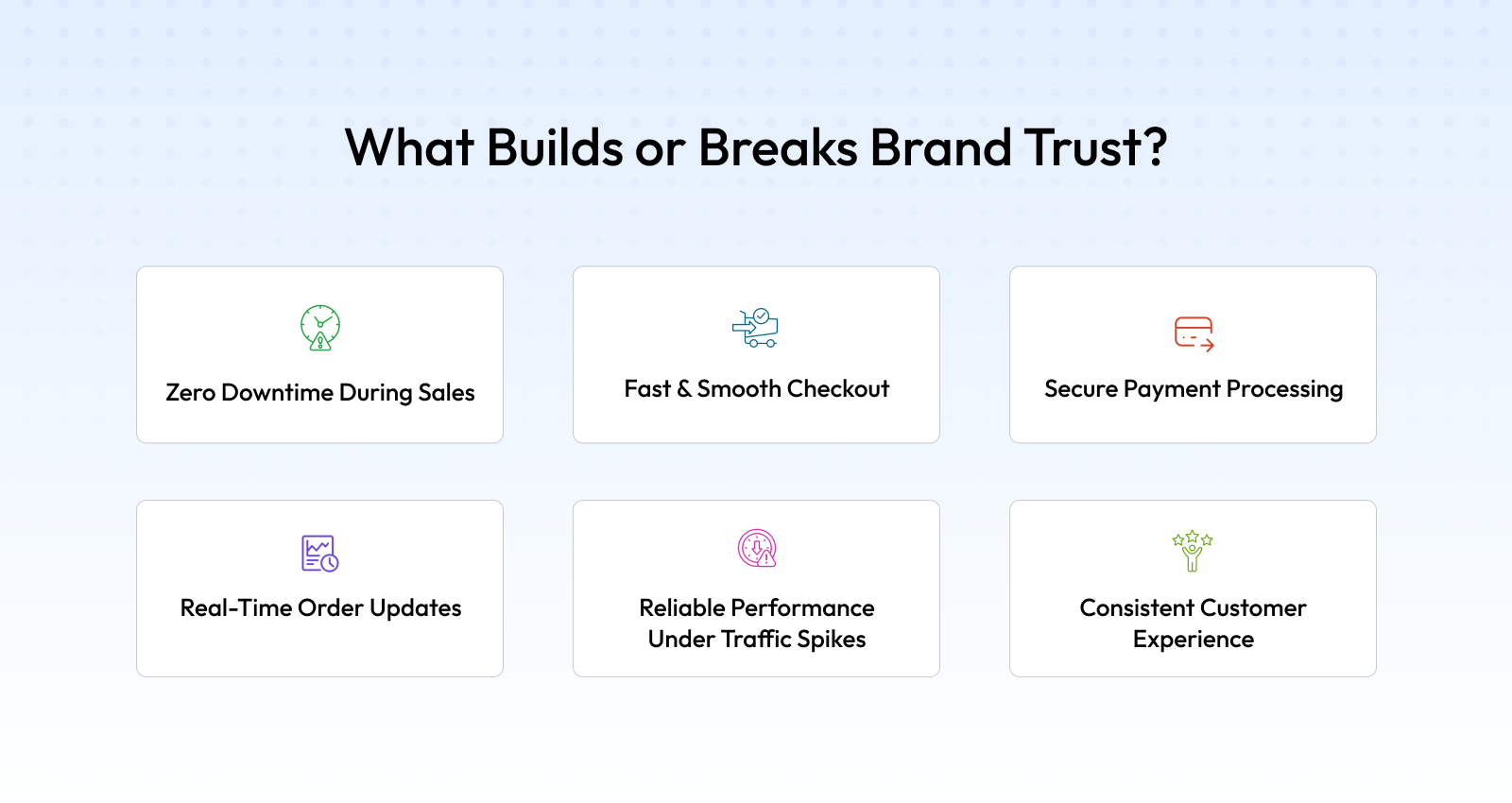
In India’s competitive ecommerce landscape, customers quickly shift to alternatives if they experience poor performance.
Downtime during festive sales, slow checkout flows, or inconsistent order updates can damage reputation instantly.
Reliable ecommerce software provides consistent uptime, secure payment integration, and optimized performance. Platforms like Shopaccino offer a stable SaaS-based infrastructure that supports operational efficiency while allowing brands to scale confidently.
When stability is built into the platform, brands can focus on growth rather than firefighting technical issues.
Preparing for the Future of E-commerce in India
The future of ecommerce in India will continue evolving rapidly. Technologies will advance, customer expectations will rise, and competition will intensify.
Brands that rely on rigid, disconnected systems may struggle to adapt. In contrast, those operating on integrated all in one ecommerce platforms will be better positioned to experiment, innovate, and expand.
Choosing the best saas ecommerce platform is not merely a technology decision—it is a long-term strategic investment. It shapes how quickly a brand can respond to change and how efficiently it can execute its growth plans.
Final Takeaways
Indian brands are switching to all in one ecommerce platforms because they recognize the need for:
- Operational efficiency
- Scalability without disruption
- Centralized data visibility
- Cost predictability
- Faster decision-making
- Stronger customer engagement
SaaS ecommerce platform adoption reflects a broader shift toward simplicity and integration in digital commerce.
Closing Thoughts
The Indian ecommerce ecosystem is entering a phase of consolidation and maturity. Brands that want to compete at scale must prioritize operational clarity and technological stability.
All in one ecommerce platforms provide the unified infrastructure necessary for modern growth. By reducing fragmentation and enabling seamless integration, they empower brands to focus on what truly matters—building products, strengthening relationships, and scaling sustainably.
As more Indian brands recognize these advantages, the transition toward integrated SaaS ecommerce software will continue to accelerate.
FAQs
An all in one ecommerce platform is a unified solution that combines website management, inventory control, payments, marketing tools, and analytics into a single system. It eliminates the need for multiple disconnected tools, improving operational efficiency and data accuracy.
Indian brands prefer SaaS ecommerce platforms because they offer cloud-based reliability, automatic updates, lower maintenance costs, and scalable infrastructure. This allows businesses to focus on growth and marketing rather than managing technical complexity.
By centralizing operations, these platforms reduce manual processes and integration errors. Inventory, orders, payments, and marketing data work together in real time, helping teams make faster decisions and execute campaigns more efficiently.
For most growing brands, yes. SaaS platforms reduce development costs, provide regular updates, and scale automatically. Custom-built systems may offer flexibility but often require ongoing technical investment and maintenance.
All in one ecommerce platforms synchronize inventory and orders across multiple channels. This prevents overselling, improves fulfillment accuracy, and ensures consistent customer communication across website, marketplaces, and social platforms.
Yes. Consolidating tools into one system reduces expenses related to plugins, integrations, hosting, and developer maintenance. A predictable subscription model also helps businesses manage budgets more effectively.
Centralized dashboards combine sales, inventory, and marketing insights in one place. This allows brands to identify trends quickly, optimize campaigns, forecast demand, and make data-driven decisions with greater confidence.
Yes. Many SaaS ecommerce platforms are designed to scale with business growth. They provide user-friendly management, built-in tools, and cost-effective pricing, making them suitable for startups and expanding brands alike.
Stable ecommerce software ensures fast loading speeds, secure payments, and consistent performance during high traffic periods. This reliability builds customer trust, improves satisfaction, and increases repeat purchase rates.