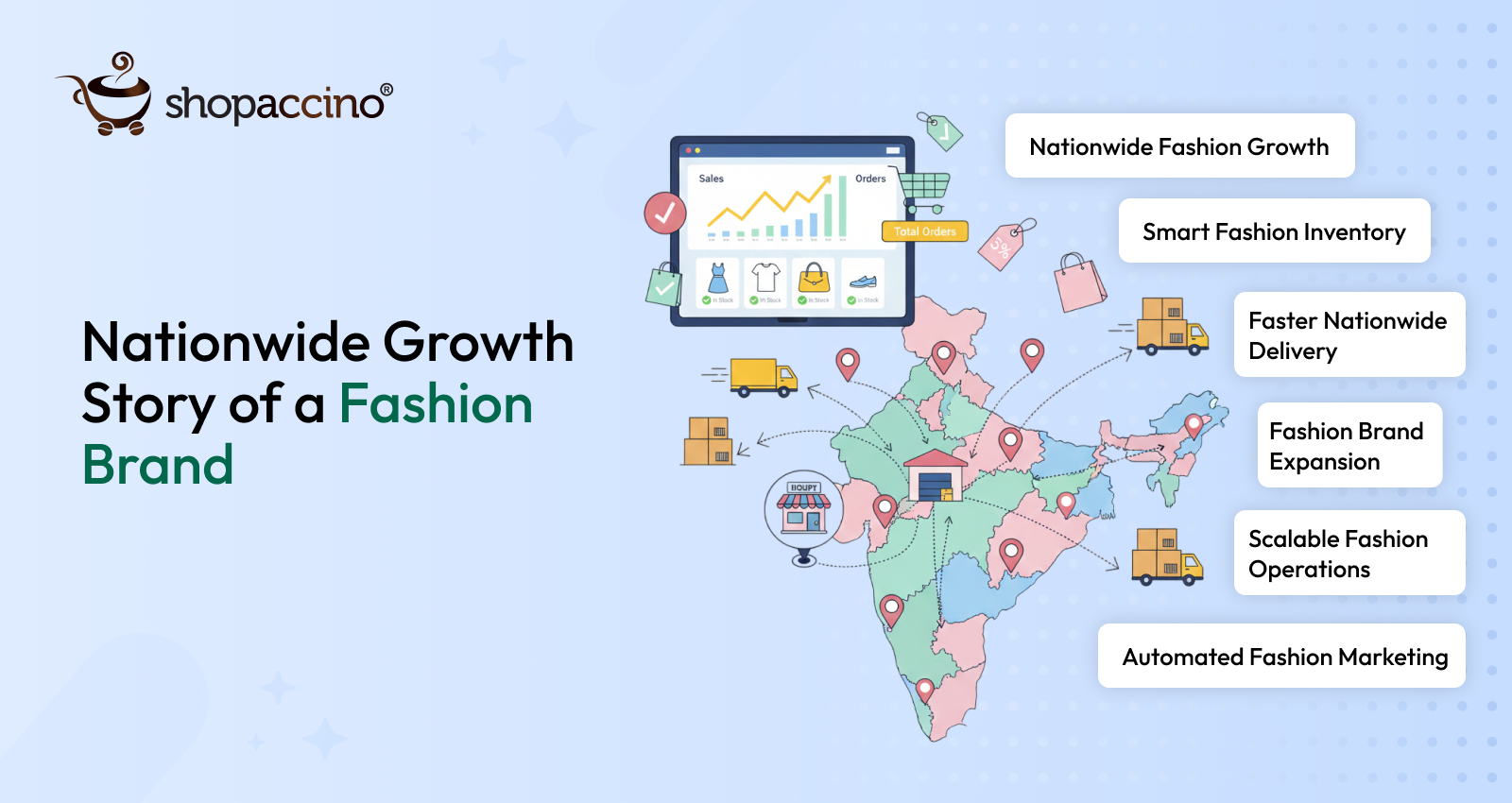
How a Local Fashion Brand Scaled Nationwide with Shopaccino
Every successful brand has one defining moment — the point where ambition meets the right digital foundation. For thousands of small and mid-sized Indian fashion labels, that moment often comes when they realise their local popularity is no longer enough. Walk-in customers grow, word-of-mouth spreads, but scaling beyond city borders seems impossible without the right technology.
This is the story of how a small local fashion brand, once operating from a single boutique, transformed into a nationwide ecommerce success by choosing the right platform, the right integrations, and the right growth strategy. It’s also a blueprint for any MSME fashion brand looking to scale from local to national — without burning money on marketplaces or expensive custom development.
Introduction: When a Local Brand Outgrows Its Storefront
Many fashion entrepreneurs start small — a boutique in a busy marketplace, a workshop behind the store, or a homegrown label stitched together with passion. As footfall grows, a local brand becomes a neighbourhood favourite. But scaling from “local favourite” to “national brand” demands more than great designs.
It demands:
- A stable online store
- Smooth product management
- Reliable delivery
- Seamless checkout
- Marketing automation
- Inventory control
- Fast order processing
The brand featured in this story faced the same turning point. They knew customers across India loved their style, but they lacked the technology to reach them. When they decided to launch online using Shopaccino, they didn’t just go digital — they unlocked nationwide scale.
This blog breaks down their journey, the challenges they faced, their customers’ expectations, and how an integrated ecommerce system helped them transform their entire business.
Challenging Area: What Held the Brand Back
The brand had loyal walk-in customers, strong product quality, and a growing social media presence. But growth plateaued because of technology and operational limitations.
No Online Store Capable of Handling High Traffic
Their earlier website was slow, unstable, and not built for ecommerce. Customers often dropped off during checkout.
Manual Inventory Tracking
Managing stock for multiple categories — kurtis, sarees, co-ords, ethnic wear — became impossible with Excel sheets. Overselling happened frequently.
Limited Delivery Reach
Courier partners were not integrated. Every order required manual booking, which slowed dispatches and increased mistakes.
No Marketing Automations
They relied heavily on Instagram DMs and phone calls for orders, making it hard to scale or track performance.
Difficulty Managing COD Orders
High COD demand but no system for verification, tracking, or reconciliation.
No System for Product Variants
Sizes, colours, styles — all required manual listing. This slowed cataloging and confused customers.
The brand wanted to grow beyond their city but did not have the digital ecosystem to support national-level operations.
Their Customer Challenging Area: What Buyers Expected from a Modern Fashion Brand
While the brand struggled internally, customers also had their own expectations.
Smooth, Fast Shopping Experience
Fashion buyers expect quick filtering, mobile-friendly browsing, and high-quality product pages.
Real-Time Stock and Accurate Size Availability
Nothing frustrates fashion shoppers more than selecting a product only to discover it’s out of stock.
COD, UPI, and Flexible Payment Options
Modern shoppers expect convenience in payment. Limited options reduce conversion.
Reliable Delivery and Tracking
Customers expect order tracking at every step — shipped, in-transit, out for delivery, delivered.
Easy Returns and Clear Policies
Fashion is highly return-sensitive. Customers want transparency and trust.
Personalised Offers and Style Suggestions
Buyers want brands to understand their preferences based on browsing and past purchases.
These expectations became the turning point. To grow nationwide, the brand needed a system built for modern ecommerce behaviour.
Solution: How an Integrated Ecommerce Platform Transformed Their Growth
When the brand moved to Shopaccino, the transformation wasn’t just technical — it was operational, strategic, and long-term.
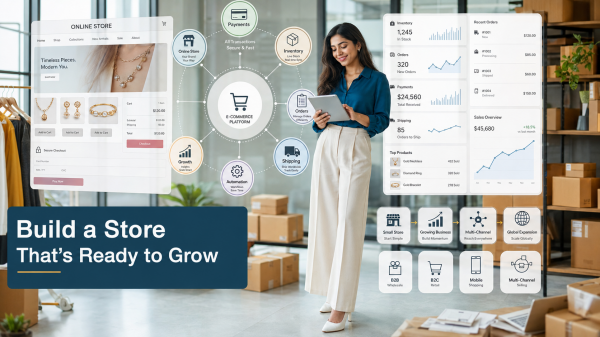
Shopaccino gave them an all-in-one ecosystem:
A Fast, Mobile-Optimised Storefront
A clean design with fashion-focused themes helped them showcase products beautifully and keep bounce rates low.
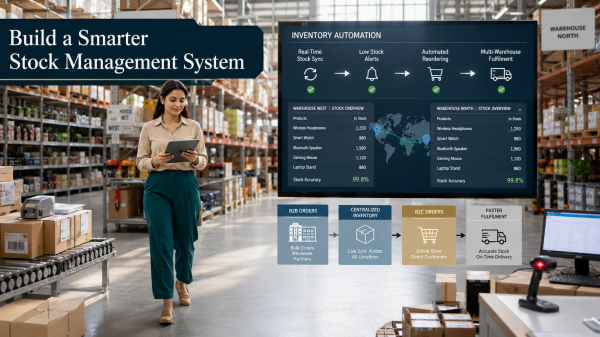
Centralised Inventory Management
Real-time stock sync prevented overselling. Sizes and variants were managed effortlessly.
Seamless Courier Integrations
With direct API connections to shipping agencies, dispatch became faster and almost fully automated.
Size Charts, Filters, and Variant Options
The brand could finally offer customers:
- size filters
- colour filters
- material filters
- size charts
- detailed variant options
These features increased add-to-cart and reduced returns.
Marketing Automations for Growth
Automated:
- Abandoned cart reminders
- WhatsApp updates
- Email campaigns
- Discount offers
These boosted conversions without extra manpower.
COD Management & Reconciliation
COD verification, shipment tracking, and remittance reporting became simpler and error-free.
Multi-Warehouse Capability
As the brand expanded, they added regional warehouses. Shopaccino supported:
- Regional stock
- Pincode-based allocation
- Faster shipping
- Lower delivery costs
This became a major factor in nationwide scale.
8. Multi-Channel Integrations
They synced catalogs with ads, social media, and tracking systems for smooth omnichannel selling.
What started as a simple website shift turned into a complete transformation of their business operations.
How to Implement These Steps for Scaling Nationwide
Here’s the exact roadmap the brand followed — a blueprint any fashion label can replicate.
Step 1: Build a Strong Online Store Foundation
Start with a theme that matches your brand identity. Add sharp product photography, detailed descriptions, and a clean navigation flow.
Step 2: Organise Your Product Catalog Properly
Define:
- Categories
- Sub-categories
- Size variants
- Colour variants
- Filters
- Product tags
This helps customers find products quickly.
Step 3: Set Up Smart Inventory Control
Use real-time stock tracking to reduce overselling and handle high traffic during sales.
Step 4: Integrate Reliable Shipping Partners
API-based courier integrations help automate:
- Label generation
- Pickups
- Tracking
- Delivery updates
A platform like India Post also supports national shipping:
Step 5: Enable COD + Digital Payments
Offer a balanced mix so customers feel more confident ordering nationwide.
Step 6: Automate Marketing for Higher Conversions
Run:
- Abandoned cart reminders
- New arrival notifications
- WhatsApp tracking messages
- Personalised offers
These steps increase repeat purchases significantly.
Step 7: Expand Through Multi-Warehouse Fulfilment
Place warehouses in:
- North
- West
- South or East
This reduces delivery time and increases satisfaction.
Step 8: Use Analytics to Guide Decisions
Track:
- Best sellers
- High-return items
- Top regions
- Cart drops
- COD success rates
Data-driven decisions helped the brand optimise each step.
Benefits: What the Brand Achieved After Scaling
The results were visible within months.
National-Level Reach
Orders began flowing from tier 1, 2, and 3 cities—Delhi, Bangalore, Indore, Kochi, Jaipur, Lucknow.
Faster Delivery Times
Warehouse optimisation brought average delivery time from 6–8 days down to 3–4 days.
Higher Conversions
Smart filters, size charts, and variant clarity reduced confusion and increased purchase confidence.
Strong Repeat Purchase Rate
Automated marketing encouraged customers to return for new arrivals and festive collections.
Reduced RTO
COD verification reduced fake orders & cancellations significantly.
Efficient Order Processing
Automated workflows brought dispatch time down from 48 hours to under 12 hours.
Scalable Operations
The brand now handles thousands of orders per month with the same team size.
This is the true power of choosing the right ecommerce backbone.
Conclusion
Scaling a local fashion brand nationwide isn’t about luck — it’s about systems. When technology supports creativity, small labels transform into national favourites.
This brand’s journey proves that MSMEs don’t need heavy investment or large teams to scale. They need:
- A robust ecommerce platform
- Automation
- Efficient logistics
- Structured inventory
- Customer-focused experiences
Platforms like Shopaccino give modern fashion brands the complete foundation to grow without complexity. With the right tools, even a single-store boutique can deliver nationwide impact.
FAQs
They used multi-warehouse fulfilment and courier integrations, reducing delivery time dramatically.
COD verification and automated reminders ensured genuine orders and fewer refusals.
Very important — size, colour, and style variants improved clarity and reduced returns.
Automations brought back cart abandoners, engaged repeat buyers, and increased overall sales.
No. Automation helped the brand scale without significantly increasing team size.
It prevented overselling, especially during sales and new collection launches.
Yes. The same blueprint applies to any fashion label with growth potential.