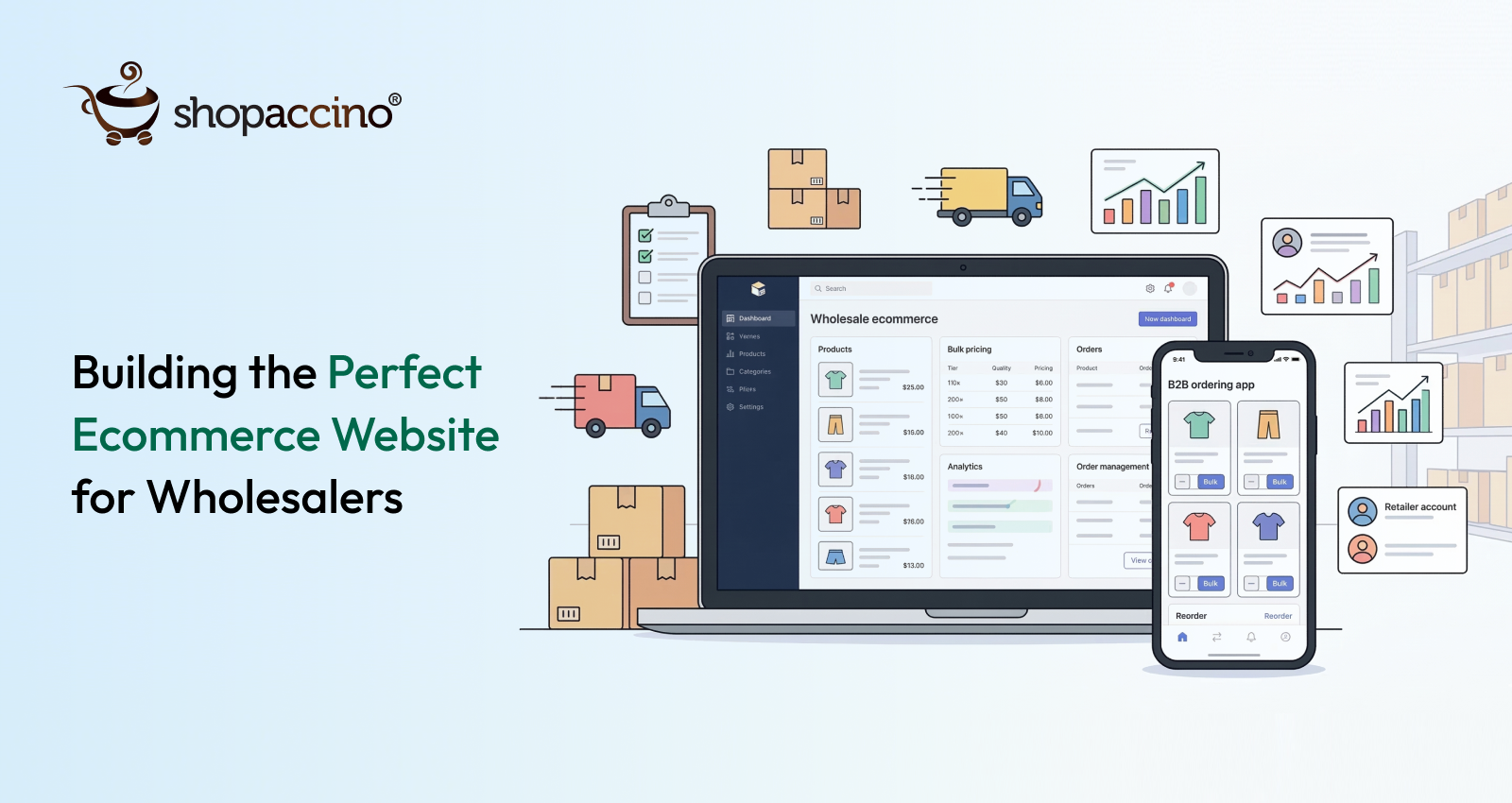
What Wholesalers Expect From an Ecommerce Website in 2026
Wholesale commerce is changing rapidly, and what wholesalers expect from an ecommerce website in 2026 looks very different from just a few years ago. Many wholesalers who traditionally relied on offline sales channels have started moving toward digital platforms, and buyers now expect faster ordering processes, better product visibility, and smoother purchasing experiences.
For wholesalers, an online store is no longer just a website. It is a complete digital system that helps manage orders, inventory, pricing, and customer relationships. This is why businesses today are investing in a wholesale ecommerce website that can support both operational efficiency and long-term growth.
Unlike traditional retail ecommerce stores, wholesale platforms must handle larger orders, complex pricing structures, and business-to-business transactions. These requirements mean that a simple online store builder is often not enough. Wholesalers require specialized b2b ecommerce software that supports their unique workflows and operational needs.
As ecommerce technology evolves, wholesalers are becoming more selective about the platforms they choose. They want systems that allow them to serve business buyers efficiently while maintaining strong operational control.
Why Wholesalers Are Moving Toward Digital Commerce
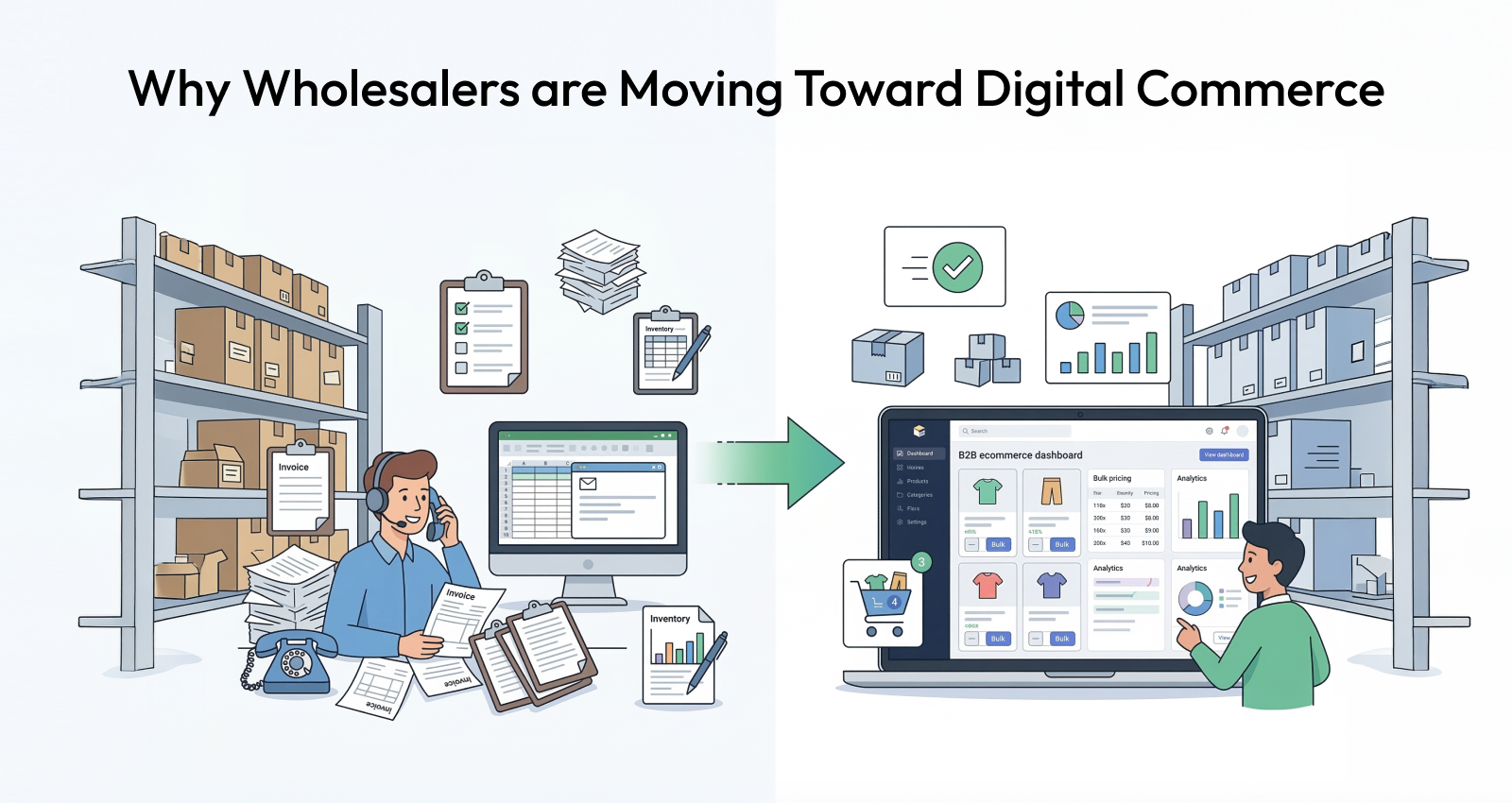
Wholesale businesses operate differently from traditional online retailers. Their buyers are usually retailers, distributors, or other businesses that place bulk orders regularly. These buyers expect fast ordering systems, clear product information, and reliable inventory visibility.
In the past, many wholesalers managed orders through phone calls, emails, or manual spreadsheets. While these methods worked for smaller operations, they become inefficient as the business grows.
A well-designed wholesale e-commerce website allows wholesalers to automate many of these processes. Instead of manually processing orders, buyers can place orders directly through the platform. This reduces administrative work and allows wholesalers to process transactions more efficiently.
The shift toward digital commerce has also increased the demand for specialized b2b ecommerce software that supports business-to-business workflows. These platforms help wholesalers manage product catalogs, track orders, and maintain pricing structures designed specifically for business buyers.
Read Also : Better Ordering for B2B Buyers
How B2B Ecommerce Differs From Traditional Online Stores
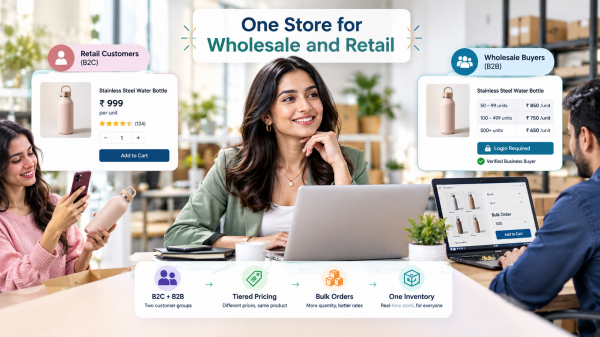
Wholesale ecommerce platforms operate differently from standard consumer ecommerce websites. While retail websites focus on individual customers, B2B platforms must support long-term business relationships and recurring orders.
A typical ecommerce platform for wholesalers must support features such as bulk pricing, business account management, and flexible payment options. These capabilities help wholesalers serve their business customers more effectively.
For example, wholesalers often provide different pricing structures for different customers. A retailer purchasing large quantities may receive different pricing compared to a smaller buyer. A strong B2B platform allows businesses to manage these pricing structures easily.
This is why choosing the right b2b ecommerce website features becomes critical for wholesalers planning their digital transformation.
Key Expectations Wholesalers Have From Ecommerce Platforms
As the B2B ecommerce market continues to evolve, wholesalers expect their ecommerce platforms to deliver more than just a digital storefront. The platform must support the operational complexity of wholesale businesses while providing a seamless buying experience for customers.
Some of the most important expectations include:
- Efficient order management that allows wholesalers to track bulk orders easily.
- Clear product catalog organization so buyers can find products quickly.
- Flexible pricing structures designed for wholesale buyers.
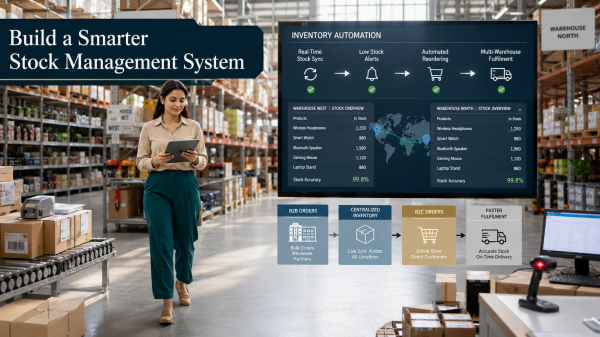
- Reliable inventory visibility that shows real-time product availability.
These capabilities are essential components of modern b2b ecommerce website features. Without them, wholesalers may struggle to manage their online operations effectively.
Platforms like Shopaccino provide ecommerce infrastructure designed to support businesses that need more than just a basic online store. By combining store-building tools with operational management capabilities, such platforms help wholesalers manage their ecommerce activities more efficiently.
Read Also : Simplifying B2B Payment Collection
Structure of a Modern Wholesale Ecommerce System
To understand how a wholesale platform operates, it helps to look at the key components involved in a wholesale ecommerce website.
|
System Component |
Purpose |
|
Product Catalog |
Displays wholesale product listings |
|
Buyer Accounts |
Allows businesses to manage orders |
|
Pricing Management |
Supports bulk and tiered pricing |
|
Order Processing |
Tracks and manages wholesale orders |
|
Inventory System |
Shows real-time product availability |
When these components work together through reliable b2b ecommerce software, wholesalers can operate more efficiently and serve their customers better.
Key Features Wholesalers Expect From Ecommerce Platforms in 2026
As wholesale businesses become more digital, expectations from ecommerce platforms are evolving quickly. Wholesalers no longer want a simple product catalog website. They want a complete digital system that helps them manage buyers, pricing, orders, and inventory efficiently.
This is why choosing the right ecommerce platform for wholesalers has become an important decision for businesses planning long-term growth.
In 2026, wholesalers expect their online platforms to simplify complex business processes while improving the buying experience for customers. A modern wholesale ecommerce website must function as both a sales channel and an operational management system.
Below are some of the most important b2b ecommerce website features wholesalers expect from modern ecommerce platforms.
Bulk Ordering and Flexible Pricing
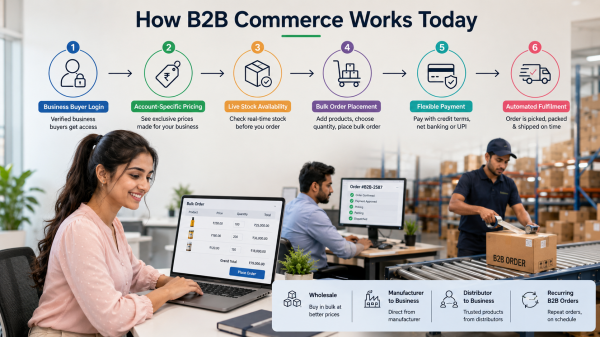
Wholesale transactions usually involve large quantities of products. Buyers often place orders for dozens or hundreds of units at a time. A platform designed only for retail sales may struggle to support this type of ordering process.
This is why bulk ordering functionality is one of the most essential b2b ecommerce website features.
A well-designed wholesale platform should allow buyers to:
- Add multiple products to the cart quickly
- Order products in large quantities
- View pricing based on order volume
- Access special pricing based on their business relationship
Flexible pricing systems are especially important for wholesalers. Different buyers may have different negotiated prices depending on order volume or long-term partnerships.
Reliable b2b ecommerce software allows wholesalers to manage these pricing structures easily while maintaining transparency for their customers.
Read Also : Faster Dealer Approvals in Wholesale
Business Account Management
Unlike retail ecommerce websites, wholesale platforms must support business accounts rather than individual customers.
A strong wholesale ecommerce website allows buyers to create business accounts where they can manage their orders, view previous purchases, and track order history.
These accounts help wholesalers build stronger relationships with their customers. Buyers can log in to reorder products quickly without contacting sales representatives every time they need inventory.
Important account management capabilities include:
- Company-specific buyer accounts
- Order history tracking
- Saved product lists for repeat orders
- Business-specific pricing visibility
These capabilities make b2b ecommerce software far more efficient than traditional manual ordering systems.
Read Also : B2B Buyers Reordering with Confidence
Real-Time Inventory Visibility
One of the biggest frustrations for wholesale buyers is discovering that a product they ordered is actually out of stock. This situation can damage trust and delay the buyer’s business operations.
Modern ecommerce platform for wholesalers solutions address this issue by providing real-time inventory visibility.
With accurate inventory tracking, buyers can immediately see whether a product is available and how many units are in stock. This helps businesses plan their purchases more effectively.
Real-time inventory systems also help wholesalers manage stock levels internally. When integrated with order management tools, the platform automatically updates inventory as orders are placed.
This level of automation is a key advantage of advanced b2b ecommerce website features.
Fast Reordering for Repeat Buyers
Wholesale buyers often purchase the same products regularly. Retailers may restock their inventory weekly or monthly depending on demand.
A modern wholesale ecommerce website should therefore support fast reordering options. Instead of browsing through the entire catalog each time, buyers should be able to reorder products directly from their previous purchases.
Some useful reordering features include:
- One-click reorder options
- Saved purchase lists
- Frequently ordered product suggestions
- Quick bulk product selection
These capabilities make the ordering process much faster for buyers and help wholesalers process orders more efficiently.
This is why modern b2b ecommerce software focuses heavily on improving the buyer experience for repeat transactions.
Read Also : Pricing Control Issues for Manufacturers
Order Tracking and Transparency
Wholesale buyers often place large orders that are important for their business operations. They want full visibility into the status of their orders after purchase.
An effective ecommerce platform for wholesalers should provide clear order tracking systems so buyers know exactly when their orders are processed and shipped.
Order tracking improves trust and reduces the number of support inquiries wholesalers receive from their customers.
A well-designed platform should allow buyers to:
- Track order status in real time
- View shipping updates
- Access invoices and payment records
- Monitor order history
These operational capabilities are essential parts of modern b2b ecommerce website features.
Wholesale Ecommerce Feature Overview
The most important features wholesalers expect in modern ecommerce platforms can be summarized below:
|
Feature |
Why It Matters |
|
Bulk Ordering |
Supports large business transactions |
|
Flexible Pricing |
Allows different pricing for different buyers |
|
Business Accounts |
Enables account-based purchasing |
|
Inventory Visibility |
Prevents stock-related order issues |
|
Order Tracking |
Provides transparency for buyers |
These capabilities form the foundation of a modern wholesale ecommerce website powered by reliable b2b ecommerce software.
Choosing the Right Ecommerce Platform for Wholesalers in 2026
As wholesale businesses continue to expand their digital presence, selecting the right technology platform becomes increasingly important. The platform a business chooses will directly influence how efficiently it can manage buyers, products, pricing, and orders.
A well-designed wholesale ecommerce website should do more than display products online. It should function as a complete business system that simplifies operations while improving the experience for wholesale buyers.
Wholesalers are looking for platforms that reduce manual work, provide operational visibility, and allow them to scale their businesses confidently. This is why choosing the right b2b ecommerce software is one of the most important decisions for businesses planning their digital growth strategy.
What Makes a Strong Ecommerce Platform for Wholesalers
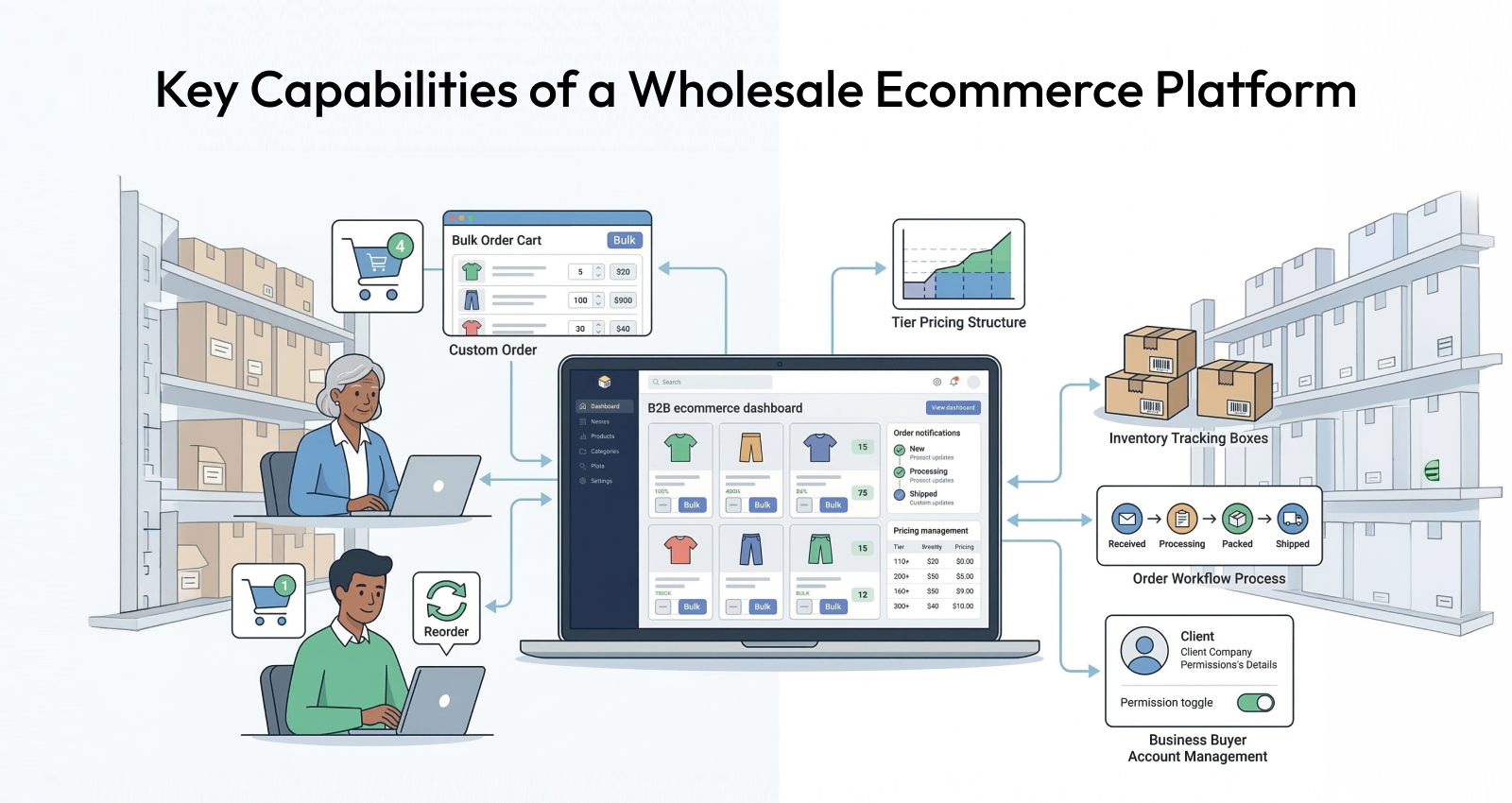
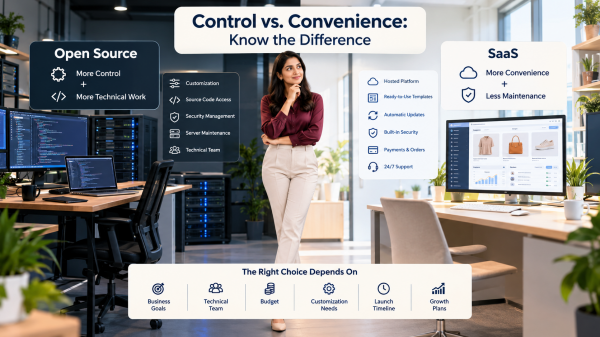
Not every ecommerce platform is designed for wholesale operations. Retail-focused platforms often lack the flexibility required to handle bulk pricing, business accounts, and complex order workflows.
A reliable ecommerce platform for wholesalers should provide tools that support the operational needs of B2B businesses.
Some essential capabilities include:
- Flexible pricing management for different buyer segments
- Bulk order handling that simplifies large transactions
- Business account access for buyers and distributors
- Centralized order management to track transactions efficiently
- Inventory control systems that maintain accurate stock levels
These capabilities ensure that wholesalers can manage both their customers and internal operations effectively.
Modern b2b ecommerce website features must support not only the buyer experience but also the operational complexity of wholesale businesses.
Improving Efficiency Through Digital Automation
Wholesale businesses traditionally rely on manual processes such as phone orders, email confirmations, and spreadsheet tracking. While these methods may work in the early stages of a business, they become inefficient as order volumes grow.
A modern wholesale ecommerce website replaces these manual processes with automated systems. Buyers can place orders directly through the platform, and the system automatically updates inventory levels, processes payments, and tracks shipments.
This automation significantly reduces administrative workload for wholesalers.
Using advanced b2b ecommerce software, businesses can manage thousands of products and customers without increasing operational complexity.
Automation also improves accuracy. Orders processed through digital systems reduce the chances of errors that can occur during manual order entry.
Read Also : Regional Selling Problems in Wholesale
The Role of Technology in Wholesale Growth
Wholesale businesses are increasingly adopting digital strategies to stay competitive in a fast-changing market. Buyers expect faster ordering systems, transparent pricing, and reliable product availability.
A strong ecommerce platform for wholesalers helps businesses meet these expectations by providing a centralized environment where product management, order processing, and customer management are all connected.
Platforms like Shopaccino provide infrastructure that supports these operational requirements. With integrated systems for store management, product catalogs, and order tracking, wholesalers can manage their ecommerce operations more efficiently.
This type of structured system allows businesses to scale their wholesale ecommerce website while maintaining operational control.
How Digital Platforms Support Wholesale Business Growth
The impact of modern ecommerce platforms on wholesale businesses can be understood through the following framework:
|
Platform Capability |
Business Impact |
|
Product Catalog Management |
Organizes large wholesale product inventories |
|
Business Account Systems |
Supports long-term B2B relationships |
|
Order Management Tools |
Simplifies bulk order processing |
|
Inventory Tracking |
Maintains accurate stock availability |
|
Automated Workflows |
Reduces manual administrative work |
When these elements work together through advanced b2b ecommerce software, wholesalers can focus more on expanding their business rather than managing operational challenges.
Final Thoughts
Wholesale commerce is evolving quickly as businesses adopt digital platforms to improve efficiency and serve their customers better. Buyers now expect fast ordering systems, transparent pricing, and reliable product availability when working with wholesale suppliers.
A well-designed wholesale ecommerce website allows businesses to meet these expectations while simplifying their internal operations.
By using advanced b2b ecommerce software, wholesalers can automate many of their workflows, improve order management, and provide better service to their customers.
Choosing the right ecommerce platform for wholesalers ensures that businesses have the tools they need to scale their operations and remain competitive in the evolving B2B ecommerce landscape.
When the platform supports both operational efficiency and customer experience, wholesalers can build stronger business relationships and create a more sustainable digital commerce strategy for the future.
FAQs
A wholesale ecommerce website is an online platform where wholesalers sell products directly to retailers, distributors, or other businesses. Unlike retail stores, these websites support bulk ordering, business accounts, and customized pricing for different buyers.
Wholesalers need b2b ecommerce software to manage bulk orders, customer accounts, pricing structures, and inventory efficiently. It helps automate many manual processes such as order processing and product management, allowing wholesalers to operate more efficiently.
Modern b2b ecommerce website features usually include bulk ordering, flexible pricing, business account management, real-time inventory visibility, and order tracking. These features help wholesalers manage large transactions and provide a better buying experience.
A reliable ecommerce platform for wholesalers helps businesses manage product catalogs, process bulk orders, track inventory, and handle customer accounts efficiently. This improves operational efficiency and allows wholesalers to expand their business digitally.
Yes, a well-designed wholesale ecommerce website supports bulk pricing structures where different buyers receive different pricing based on order volume or business agreements. This flexibility is essential for wholesale transactions.
Modern b2b ecommerce software provides real-time inventory tracking that updates product availability automatically when orders are placed. This helps wholesalers maintain accurate stock levels and prevents overselling products.
B2B ecommerce focuses on business buyers instead of individual consumers. A wholesale ecommerce website usually supports bulk orders, negotiated pricing, and business account management, which are not typically required in retail ecommerce platforms.