How an Ecommerce App Helps Fashion Brands Get More Repeat Customers
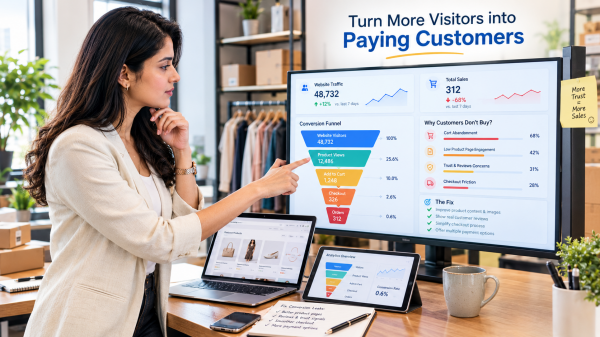
Most fashion brands celebrate their first sale. It feels like a milestone—someone discovered the brand, liked the collection, and trusted it enough to place an order. But the real challenge begins after that first purchase. Many fashion brands quietly struggle with the same problem: customers buy once and then disappear.
The fashion industry is highly competitive. Customers browse dozens of brands daily, influenced by trends, discounts, social media, and convenience. Without a strong connection, even a good shopping experience fades from memory. This is where repeat customers matter more than new ones. A returning customer costs less to retain, trusts the brand more, and is more likely to spend again.
An ecommerce app plays a crucial role in solving this problem. Unlike a website that customers must remember and revisit, an app stays present on their phone, offering ongoing engagement, reminders, and easy access. This blog explains why repeat customers are difficult to retain in fashion ecommerce, what shoppers expect today, and how an ecommerce app helps brands build long-term customer relationships.
Challenging Area: Why Fashion Brands Struggle With Repeat Customers
Fashion brands don’t lose customers because their products are bad. They lose customers because there is no strong reason to come back.
Customers Forget the Brand
Once the order is delivered, communication often stops. No reminders, no updates, no follow-ups. Over time, customers simply forget the brand exists.
High Dependence on Discounts
Many brands rely heavily on discounts to bring customers back. This trains shoppers to wait for offers instead of developing loyalty.
No Direct Engagement Channel
Email newsletters get ignored. Social media posts get lost in feeds. Without a direct channel, reconnecting becomes difficult.
Website Friction
Revisiting a website requires effort—typing URLs, logging in again, searching products. Small friction points discourage repeat visits.
Lack of Personalization
Customers see the same homepage, same products, and same messaging, regardless of their previous purchases.
These gaps make repeat purchases feel optional instead of natural.
Their Customer Challenging Area: What Fashion Shoppers Expect
Fashion shoppers are emotional buyers. They want ease, familiarity, and connection.
They Expect Convenience
If reordering or browsing feels complicated, they move on to another brand.
They Want Recognition
Customers expect brands to remember their preferences—sizes, styles, colors, and past purchases.
They Want Timely Reminders
They appreciate updates about new arrivals, restocks, or styles similar to what they bought earlier.
They Expect Smooth Access
Opening an app is faster than opening a browser, logging in, and navigating a website.
They Want Trust and Comfort
A familiar app feels safer and more reliable than searching for a brand again.
When these expectations are met, repeat purchases happen naturally.
Solution: How an Ecommerce App Helps Build Repeat Customers
An ecommerce app creates a continuous connection between the brand and the customer. It doesn’t wait for customers to return—it reaches out to them.
Always-Present Brand Touchpoint
An app icon on the phone keeps the brand visible every day, even without active promotions.
Faster Shopping Experience
Apps load faster, remember login details, and make browsing smoother, especially on mobile.
Personalized Engagement
Apps can show relevant products based on browsing and purchase history, making shopping feel familiar.
Direct Communication
Push notifications allow brands to send timely updates without depending on email or social algorithms.
Easy Reordering
Customers can revisit past orders and browse similar products without starting from scratch.
Platforms like Shopaccino allow fashion brands to launch ecommerce apps that support these engagement loops, helping brands stay connected without being intrusive.
How to Implement an Ecommerce App for Repeat Customers (Step-by-Step)
Step 1: Launch a Branded Ecommerce App
Ensure the app reflects the brand identity—colors, logo, and style—so customers recognize it instantly.
Step 2: Simplify Login and Navigation
Keep login easy and navigation intuitive. The fewer steps required, the more likely customers return.
Step 3: Use Push Notifications Thoughtfully
Send updates about new collections, restocks, and order status—only when relevant.
Step 4: Highlight Previously Viewed and Purchased Items
Show customers what they liked before. Familiarity encourages faster decisions.
Step 5: Offer App-Exclusive Value
Early access, limited previews, or special collections give customers a reason to open the app again.
Step 6: Track Engagement and Improve
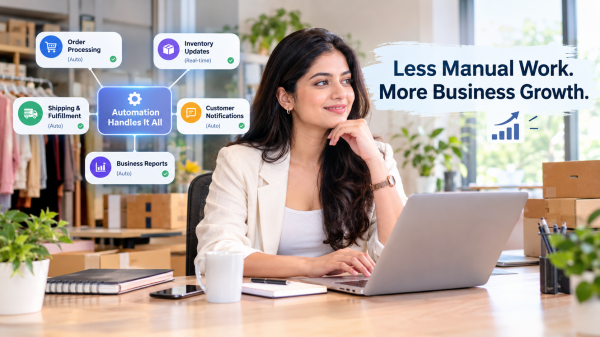
Analyze what customers interact with and refine communication accordingly.
Benefits: Why Ecommerce Apps Drive Repeat Fashion Sales
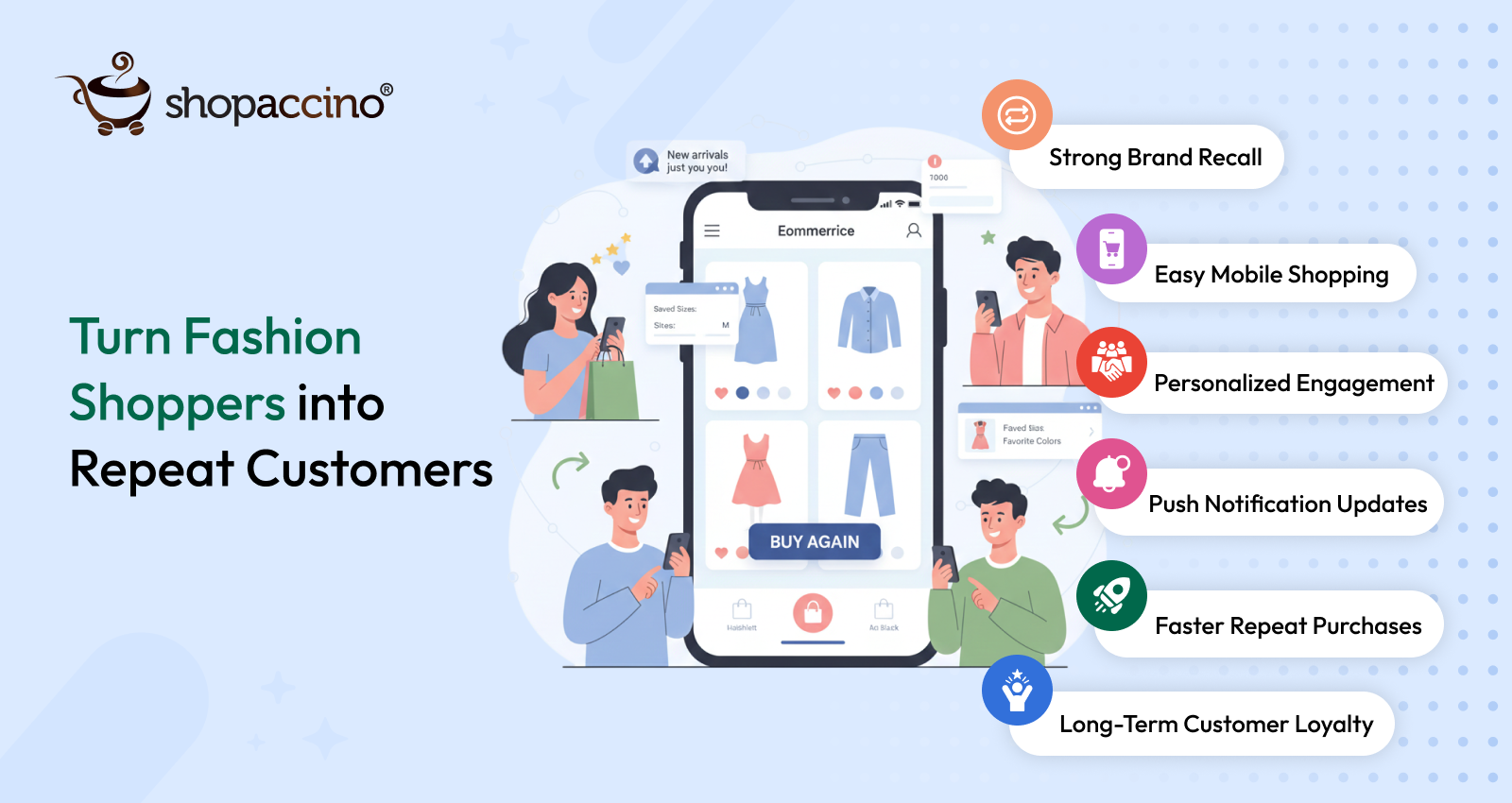
Stronger Brand Recall
An app keeps the brand top-of-mind without aggressive marketing.
Higher Customer Lifetime Value
Repeat buyers spend more over time compared to first-time customers.
Reduced Marketing Costs
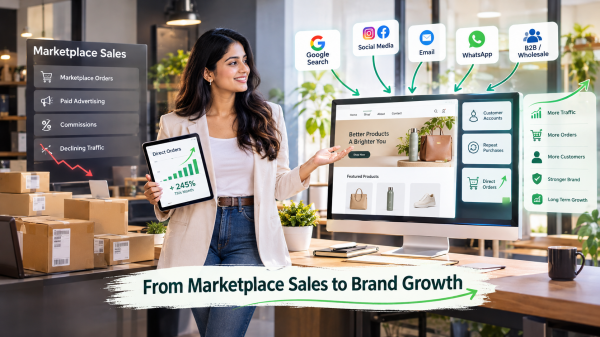
Direct app engagement reduces dependency on paid ads and influencer campaigns.
Faster Purchase Decisions
Familiar interfaces and saved preferences shorten buying time.
Improved Customer Loyalty
Regular engagement builds emotional connection, not just transactional value.
Better Insights Into Customer Behavior
Apps provide clearer data on preferences, helping brands improve collections and messaging.
Conclusion
In fashion ecommerce, the first sale is just the beginning. Long-term growth depends on how well a brand stays connected with its customers after that initial purchase. Without consistent engagement, even satisfied customers drift away.
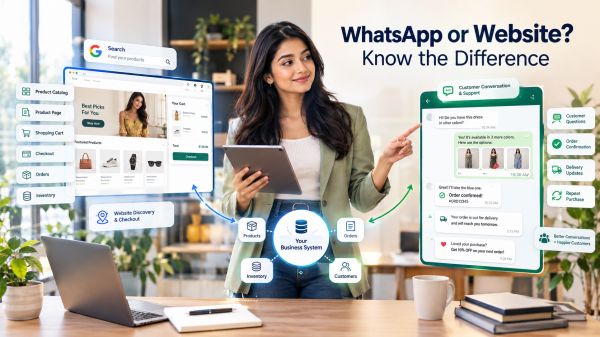
An ecommerce app solves this problem by making the brand easily accessible, familiar, and present in the customer’s daily digital life. It removes friction, enables personalization, and opens a direct communication channel that websites alone cannot offer.
With platforms like Shopaccino, fashion brands can create ecommerce apps that focus on relationships, not just transactions. When customers feel remembered and valued, repeat purchases become a habit—not a coincidence.
FAQs
Because most brands stop engaging after delivery. Without reminders or convenience, customers forget the brand.
It keeps the brand visible, simplifies shopping, and enables direct engagement through notifications.
Apps offer faster access, better engagement, and stronger brand recall, especially for repeat customers.
Yes, when notifications are relevant, timely, and not excessive.
Absolutely. Apps help small brands compete by building loyalty without heavy ad spending.
Shopaccino enables branded ecommerce apps with smooth shopping, engagement tools, and customer insights.