How MSMEs Can Start Their eCommerce Journey in 2026
As India enters a new digital era, 2026 is set to be a defining year for MSMEs stepping into eCommerce. The shift that began slowly a decade ago has now become a necessity—customers are spending more time online, digital payments are the norm, logistics networks have become faster, and government-backed initiatives such as ONDC are encouraging fair and open digital trade. For many small and mid-sized businesses, the question is no longer Why sell online, but How to begin the journey confidently and sustainably.
The good news? Starting an online business in 2026 no longer requires heavy investment, a large team, or advanced technical skills. What MSMEs need today is clarity, the right tools, and a platform that removes complexity rather than adding to it. This article explores, step by step, how a traditional or emerging MSME can build and grow its eCommerce presence, and how integrated platforms like Shopaccino play a key role in simplifying the process.
The Challenging Area: What Holds MSMEs Back from Going Online
Despite the massive opportunity, thousands of MSMEs hesitate to start their eCommerce journey. The challenges they face are real and often interconnected.
Lack of Technical Knowledge
Most MSMEs are familiar with manufacturing or retail operations, not technology. Building a site, managing hosting, integrating payments, or handling app development feels overwhelming.
Misconceptions About High Costs
Many small businesses assume ecommerce requires large budgets—custom development, server management, inventory integrations, marketing tools, and more.
Uncertainty About Logistics & Delivery
The fear of delayed shipping, inadequate courier partners, or regional service limitations prevents MSMEs from selling nationally.
Inconsistent Stock Management
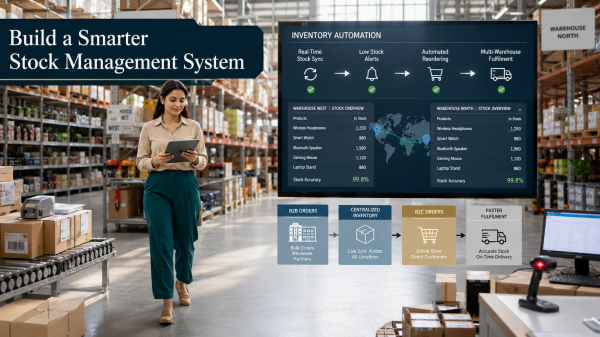
Managing offline and online stock simultaneously, especially across multiple locations, is often a major roadblock.
Competition from Marketplaces
MSMEs worry about competing with big brands, deep discounts, and algorithm-driven visibility.
Difficulty in Digital Marketing
Marketing across multiple channels—Google, Meta, WhatsApp, email—feels complicated without the right automation tools.
These challenges often stop businesses before they even begin. But with the right structure and platform, each one can be addressed in a practical, beginner-friendly way.
Solution: How an Integrated Ecommerce Platform Simplifies the Journey
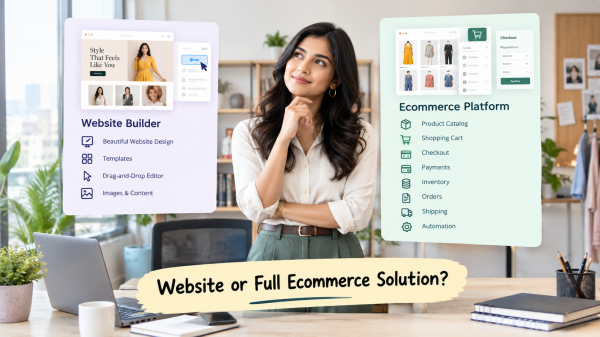
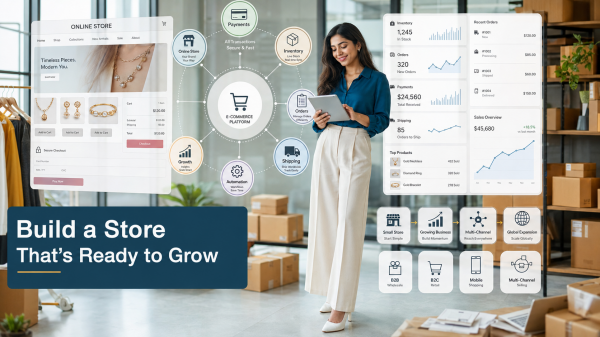
A modern MSME does not need 10 separate tools to manage 10 different business needs. A single, integrated ecosystem can handle almost everything—store creation, payments, product management, marketing automation, shipping integrations, analytics, and customer engagements.
Platforms like Shopaccino are built specifically for MSMEs that need simplicity without compromising on functionality. With tools such as theme customization, multi-warehouse stock handling, product variants, delivery integrations, apps for BOGO, loyalty, abandoned cart reminders, and customer segmentation, MSMEs can run their online business from a single dashboard.
The right platform eliminates the biggest barrier—complexity—so that entrepreneurs can focus on customers, product quality, and growth.
How to Implement: A Step-by-Step Guide for MSMEs Starting in 2026
To make your eCommerce journey smooth, here is an easy-to-understand, beginner-friendly roadmap.
Step 1: Finalise What You Want to Sell
For MSMEs, clarity of catalog is everything. Whether you’re a manufacturer, wholesaler, exporter, or a new D2C brand, decide:
- Your product categories
- Your pricing structure
- Variants such as size, color, material
- Your inventory position
- Which products will be available online first
Having a structured catalog helps platforms like Shopaccino organise products with filters, variants, size charts, custom options, and more.
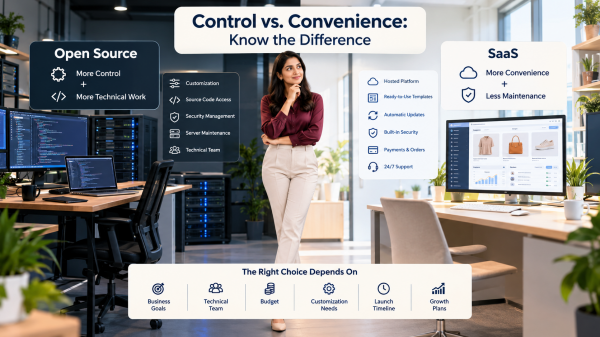
Step 2: Choose the Right Ecommerce Platform
Instead of spending lakhs on custom development, MSMEs now prefer ready-to-use platforms that offer:
- Easy drag-and-drop theme customization
- SEO-friendly store structure
- Built-in payment gateways
- Integrated shipping providers
- Product options & customizer
- Marketing automation
- Multicurrency checkout (ideal for exporters)
- Multi-warehouse inventory management
- Return and refund management systems
This ensures your startup journey is smooth, cost-effective, and scalable.
Step 3: Register Your Business & Payment Infrastructure
Before selling online, ensure:
- GST registration
- PAN & bank account
- UPI ID & payment gateway setup
- Shipping vendor accounts if required
Platforms such as Shopaccino already have major payment gateways pre-integrated, making activation faster.
Step 4: Build Your Online Store
With a modern ecommerce platform, creating your store no longer requires coding.
You can easily:
- Choose a theme
- Upload your logo
- Build pages like Home, About, Contact, Category pages, Policy pages
- Add banners, slideshows, and product grids
- Enable filters (size, color, price, material)
- Add product videos, size charts, or customization options
Tools like Shopaccino’s DIY theme customisation help MSMEs build beautiful, responsive storefronts in hours.
Step 5: Upload Products in Bulk
Time is precious for MSMEs. Platforms allow:
- Excel-based bulk uploads
- Bulk editing
- Bulk image uploads
- Variant mapping
- Add-on creation
This ensures even large catalogs—like furniture, groceries, apparel, jewelry, or handicrafts—can be uploaded quickly.
Step 6: Enable Payment Methods
Customers in India prefer different payment modes, and MSMEs must offer variety.
Enable options like:
- UPI
- Credit/Debit Cards
- Net Banking
- Pay Later options
- COD (Cash on Delivery)
- Wallet payments
Platforms like Shopaccino let you configure COD policies, prepaid order incentives, and risk controls.
Step 7: Integrate Shipping & Delivery Partners
Fast delivery increases conversion rates. MSMEs can:
- Integrate major courier partners via APIs
- Offer zone-wise shipping rates
- Use quick-delivery services for groceries
- Provide store pickup
- Offer location-based availability
Shopaccino supports direct API integration, allowing MSMEs to generate shipping waybills, track status, and streamline fulfilment.
Step 8: Automate Marketing for Consistent Growth
Manual marketing is slow and inconsistent. MSMEs should automate:
- Abandoned cart reminders
- WhatsApp notifications
- Email campaigns
- Push notifications (for mobile app users)
- Loyalty point automation
- Coupon generation
- BOGO campaigns
- Flash sale auto-scheduling
Shopaccino’s Marketing Automation helps MSMEs build these flows without technical knowledge.
Step 9: Set Up Customer Support & Service
Good customer experience leads to repeat sales.
Setup:
- WhatsApp chat
- FAQs
- Return policy
- Size guides
- Order tracking
- Personalized follow-ups
With Shopaccino’s centralized dashboard, MSMEs can manage orders, returns, customer history, and communication in one place.
Step 10: Go Live & Promote Your Store
Once everything is in place:
- Launch your store
- Promote on Instagram, Facebook, and Google
- Collaborate with influencers
- Join ONDC (optional)
- Run introductory offers
- Collect reviews
A strong launch builds early momentum.
Benefits: Why 2026 Is the Best Time for MSMEs to Start eCommerce
Lower Entry Barriers
Platforms like Shopaccino have lowered development, hosting, and setup costs, enabling MSMEs to start affordably.
Access to National & International Customers
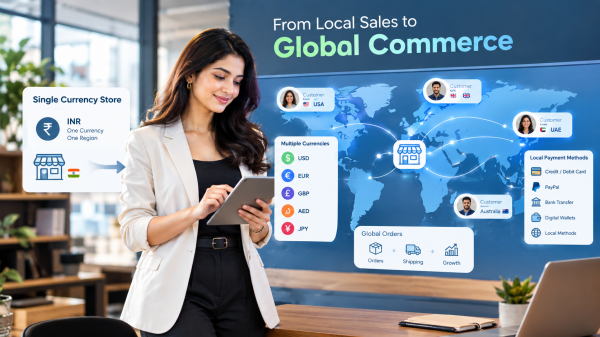
With multi-currency checkout, global shipping, and ONDC, MSMEs can go beyond local markets.
Automation Saves Time & Effort
From reminders to returns, automation reduces manual workload and errors.
Higher Profit Margins
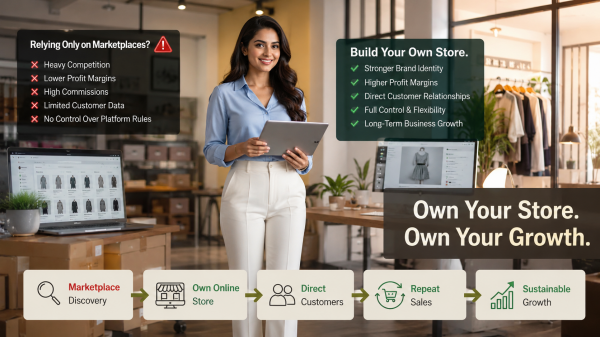
By selling directly to customers, brands earn more without paying high marketplace commissions.
Simple Inventory & Order Management
With multi-warehouse support and automated statuses, MSMEs can handle stock efficiently.
Better Customer Relationships
Loyalty points, personalised recommendations, and targeted marketing help build long-term buyers.
Scalability Without Complexity
MSMEs can grow product lines, warehouses, delivery zones, and team sizes without upgrading technology every year.
Conclusion
2026 is a turning point for MSMEs. The tools needed to start an eCommerce business have become smarter, simpler, and more powerful. What was once expensive and complicated is now accessible and beginner-friendly. Whether you're a local manufacturer, a regional retailer, a handicraft seller, or an exporter, this is the right time to take your brand online.
With integrated platforms like Shopaccino, MSMEs can build beautiful stores, automate operations, manage stock across locations, and deliver exceptional customer experiences—all without needing technical expertise.
The digital opportunity has never been bigger. The question is: are you ready to take the first step?
FAQs
No. Modern platforms provide drag-and-drop tools, ready themes, and automated features so anyone can build an online store easily.
Costs depend on your platform and marketing choices, but MSMEs can start with minimal investment using ready-to-use ecommerce software.
Use integrated courier partners through APIs to generate labels, track orders, and automate delivery statuses.
Yes. With multicurrency checkout and global shipping, many MSMEs sell to customers worldwide.
Yes. Even small budgets help when used wisely with automated email, SMS, WhatsApp, and retargeting.
Yes. Multi-warehouse and integrated stock management systems help avoid overselling.
Yes. Platforms like Shopaccino support return requests, waybills, and automated status updates.