
How MSMEs Can Start Their eCommerce Journey with Minimal Investment
For many small and medium businesses in India, ecommerce is no longer just a digital experiment—it is becoming the primary channel for growth, brand building, and direct customer access. The shift in consumer behavior has been accelerated by digital payments, smartphone adoption, search-driven buying decisions, and the growing trust in online commerce. Yet, a large section of MSMEs continue to believe that selling online requires heavy investment, technical expertise, or complex infrastructure.
In reality, ecommerce today is more accessible than ever. With ready-to-use platforms, built-in payment systems, shipping integrations, and scalable digital storefronts, MSMEs can launch online stores without hiring developers or setting up costly IT teams. The shift is no longer about whether businesses can afford to go online—it’s about whether they can afford not to.
This blog unpacks the roadblocks small businesses face, what customers expect when shopping online, how an integrated ecommerce platform like Shopaccino enables low-investment digitization, and practical steps to launch efficiently without overspending.
Challenging Area – What MSMEs Face When Starting Online
Although ecommerce appears opportunity-rich, many MSMEs hesitate due to cost, complexity, and uncertainty. These challenges are not technical—they are strategic and operational.
A major concern is budget allocation. Traditional thinking assumes businesses need separate spending for website development, hosting, payment systems, app development, security layers, and logistics tools. When managed separately, these elements require significant investment and maintenance.
Another challenge lies in the absence of digital skills. Most business owners don’t have teams trained in UI/UX, coding, digital cataloging, SEO, or online marketing. Hiring external agencies increases costs, and DIY attempts often result in poorly built websites that fail to convert.
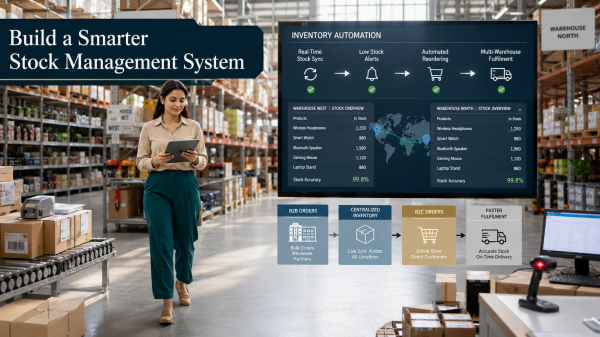
Logistics and fulfillment add another layer of complexity. Without automated workflows, syncing orders, tracking deliveries, and managing inventory across channels becomes time-consuming and error-prone.
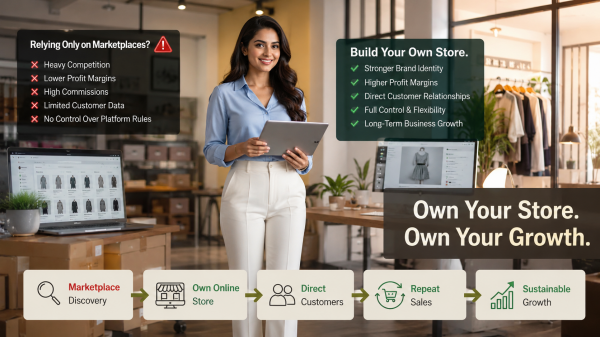
Lastly, many MSMEs rely heavily on marketplaces, believing that listing on third-party platforms is enough to build digital presence. But marketplace dependency reduces margins, controls visibility, and prevents brand ownership—a challenge that becomes limiting once demand grows.
These hurdles delay digital adoption—and businesses lose revenue opportunities to competitors who adopt early.
Solution – How an Integrated Ecommerce Platform Reduces Cost for MSMEs
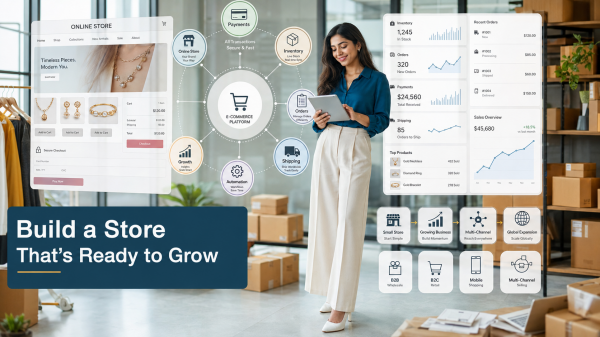
Instead of building multiple systems from scratch, MSMEs can start online affordably using integrated platforms like Shopaccino, which unify storefront design, cataloging, payments, logistics, analytics, and customer management into one system.
This eliminates the cost of hiring developers, integrating third-party plugins, managing server infrastructure, or maintaining separate tools. With built-in ecommerce workflows, businesses can launch quickly and expand gradually based on demand.
Here’s how integrated platforms reduce cost and complexity:
- A ready-made store builder removes the need for custom development
- Payment gateways connect without extra coding or vendor onboarding
- Inventory, orders, and shipping operate through unified dashboards
- Mobile-responsive interfaces eliminate separate app development
- Marketing and analytics tools reduce dependency on agencies
Instead of spending on technology, MSMEs can invest in products, branding, fulfillment, and customer experience—areas that directly improve revenue.
For brands scaling over time, Shopaccino allows expansion into multiple warehouses, multi-channel selling, and advanced marketing without switching platforms. This reduces long-term technology cost and ensures continuity.
How to Implement – Step-by-Step Roadmap to Start Online with Minimal Investment
While affordability is important, structured planning ensures every rupee spent contributes to growth. Here is a practical roadmap to begin your ecommerce journey efficiently.
Step 1: Start with a Defined Product Offering
Before going online, choose what to sell first.
Avoid listing every product—focus on bestsellers to reduce catalog workload and inventory cost.
This selective launch approach reduces investment and accelerates learning.
Step 2: Launch a Branded Online Store, Not Just Social Listings
Selling on social media is a good starting point, but a dedicated ecommerce store builds credibility and long-term control.
Using platforms like Shopaccino helps you create a branded storefront without coding or custom development.
This becomes the foundation for scale.
Step 3: Enable Digital Payments and Basic Delivery Workflows
Set up:
- UPI, wallet, and card payments
- Cash on delivery where needed
- Integrated courier partners
These steps allow you to serve both digital and trust-driven customers while minimizing manual operations.
Step 4: Create Simple but Trust-Building Product Pages
High-quality product images, clear pricing, and descriptive details reduce inquiries and increase conversions.
You don’t need studio shoots initially—natural photography with clean backgrounds works well.
Step 5: Start Marketing with Low-Cost Channels First
Instead of immediately investing in paid ads, begin with:
- WhatsApp broadcasts
- Instagram and Facebook content
- Local SEO
- Google Business Profile
This builds organic visibility without heavy spend.
Step 6: Scale Gradually into Repeat-Order and Customer Retention Systems
Once orders grow, focus on improving repeat purchases through:
- Automated notifications
- Segmented communication
- Customer feedback loops
As revenue increases, you can expand into advanced ecommerce features without rebuilding infrastructure.
Benefits of Starting Online with Minimal Investment
Low-cost digital adoption enables MSMEs to grow confidently without financial risk.
Faster Go-to-Market
Businesses launch within days, not months—without lengthy development cycles.
Lower Operational Cost
Integrated platforms reduce reliance on multiple vendors and custom developers.
Direct Access to Customers
Own data, build loyalty, and avoid marketplace dependency.
Scalable Infrastructure
Start small and expand features only when needed—avoiding upfront overspending.
Competitive Advantage for Local Brands
While others delay due to cost concerns, early adopters gain market share and customer trust.
Conclusion
The digital shift in commerce is not limited to large brands—MSMEs form the backbone of India’s retail economy and have the most to gain from online expansion. Starting an ecommerce journey doesn’t require heavy investment or technical complexity. It requires a structured approach, the right platform, and clarity on how to scale sustainably.
Platforms like Shopaccino enable MSMEs to launch professional online stores, manage payments, coordinate delivery, and serve customers efficiently—without coding or large budgets. With the right foundation, small businesses can compete with national brands while preserving their identity and strengths.
Low-investment digital adoption is not just cost-effective—it is transformative. The sooner a business starts, the faster it grows.
FAQs
No. Integrated platforms allow businesses to launch without technical resources.
Yes—starting with limited products is more cost-efficient and easier to manage.
Yes, as most shoppers prefer UPI and wallets for quick checkouts.
Marketplaces help with discovery, but a branded store builds long-term value.
Yes—organic marketing and local promotion can drive early growth.
With platforms like Shopaccino, businesses can launch within days.
Absolutely—digital infrastructure grows as demand increases.