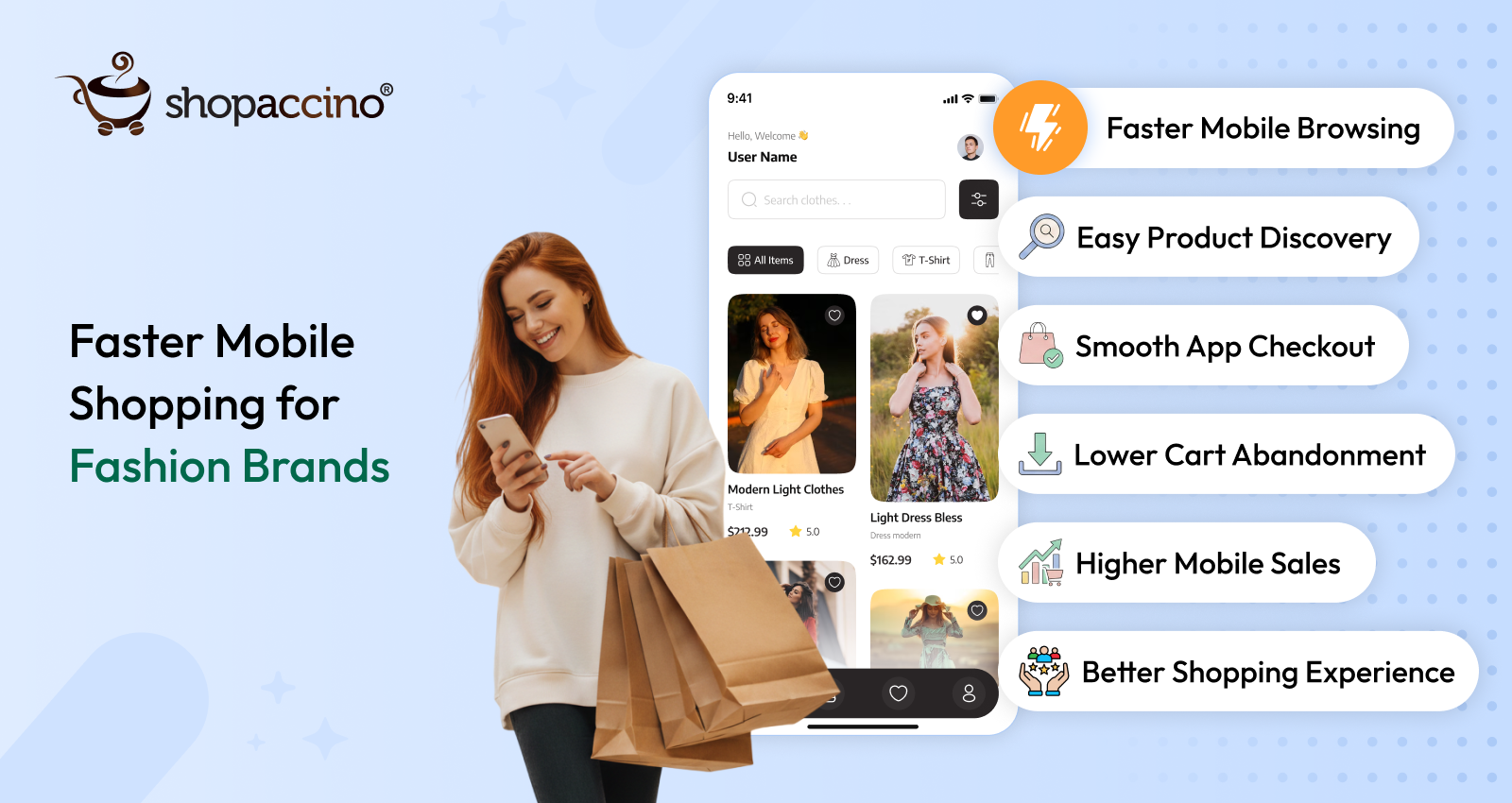
How the Right Ecommerce App Helps Fashion Stores Boost Mobile Sale
Fashion shopping has moved into the palm of the customer’s hand. Today, most fashion discovery happens on mobile phones—during short breaks, late nights, or while scrolling on social apps. Customers browse collections, save styles, compare prices, and even add items to carts using their phones. Yet, despite this heavy mobile activity, many fashion stores struggle to convert that interest into actual sales.
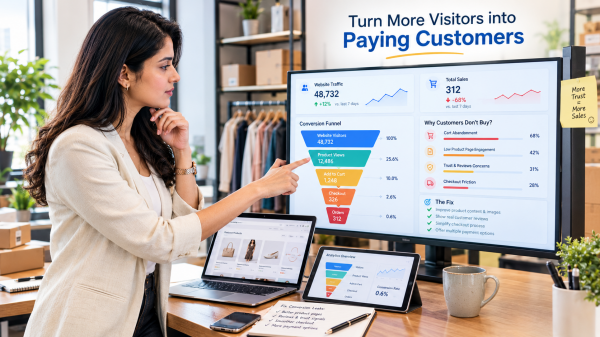
The problem is not lack of demand. It is the experience. Slow-loading websites, cluttered mobile pages, confusing navigation, and complicated checkouts quietly push customers away. A shopper may love the product, but if the buying journey feels difficult, they leave without purchasing.
This is why having the right ecommerce app matters. A dedicated fashion ecommerce app is designed for speed, clarity, and ease of use on mobile devices. It removes friction from browsing to checkout and helps fashion brands turn casual mobile visitors into paying customers.
This blog explores why fashion shoppers abandon mobile purchases, what they expect from a mobile shopping experience, and how the right ecommerce app helps fashion stores boost mobile sales sustainably.
Challenging Area: Business Challenges Fashion Stores Face on Mobile
Many fashion brands invest heavily in marketing, influencers, and social media campaigns, but still see poor mobile conversion rates. The root cause often lies in the buying experience.
Slow Mobile Performance
Fashion websites are image-heavy. On mobile browsers, large images, scripts, and pop-ups slow down loading times. Even a few seconds of delay can cause shoppers to abandon the page.
Complicated Navigation
Desktop-style menus don’t translate well to mobile. When categories, filters, and product lists feel crowded, users struggle to find what they want.
Difficult Product Exploration
Fashion buyers want to zoom, swipe, compare colors, check sizes, and see styling images. Many mobile sites fail to offer smooth product exploration.
Cart Abandonment During Checkout
Long forms, repeated logins, OTP delays, and multiple redirects create frustration at checkout. On mobile, every extra step increases drop-offs.
Limited Engagement After First Visit
Without an app, brands lose the ability to re-engage customers easily. Browser visits are temporary, and customers forget the brand quickly.
These challenges don’t mean customers are uninterested. They mean the experience isn’t built for how people actually shop on mobile.
Their Customer Challenging Area: What Fashion Shoppers Expect on Mobile
Fashion shoppers are emotional buyers, but they are also impatient. Their expectations are shaped by the best apps they use daily.
They Want Speed Above Everything
Pages should load instantly. Images should appear without delay. Any waiting feels like a reason to leave.
They Expect Effortless Browsing
Shoppers want to scroll naturally, swipe between images, and filter collections easily using their thumb.
They Need Clear Product Confidence
Size charts, variant selection, pricing clarity, and delivery details must be easy to understand on small screens.
They Want Checkout to Feel Invisible
The best checkout experience is the one customers barely notice. Fewer fields, faster payment, and minimal interruptions matter.
They Expect Personalised Experiences
Saved wishlists, recently viewed items, and tailored recommendations help customers feel understood and valued.
When these expectations are met, customers don’t just buy once—they return.
Solution: How a Dedicated Ecommerce App Solves Mobile Sales Challenges
A dedicated ecommerce app is not just a smaller version of a website. It is built specifically for mobile behavior.
Faster Load Times
Apps load faster than mobile websites because content is stored locally on the device. This reduces waiting time and keeps shoppers engaged.
Mobile-First Navigation
Menus, filters, and categories are designed for touch, not clicks. Browsing feels intuitive and natural.
Smooth Product Discovery
High-quality images, swipeable galleries, zoom features, and variant previews work seamlessly in apps, helping shoppers explore confidently.
Simplified Checkout Flow
Apps support faster logins, saved addresses, and quick payment options, reducing cart abandonment.
Continuous Customer Engagement
Push notifications, app icons, and saved sessions keep the brand visible even when customers are not actively shopping.
Using platforms like Shopaccino, fashion brands can launch ecommerce apps that integrate product management, mobile experience, and backend operations into one system—without creating complexity.
Building a high-performance shopping experience requires more than just a template; it requires expertise in ecommerce app development. By partnering with specialists like Codezion Softwares, fashion brands can ensure their mobile platforms are not only visually stunning but also technically optimized for speed and security. Professional development ensures that every swipe and tap leads the customer closer to a purchase, providing a competitive edge in a crowded digital marketplace.
How to Implement a Mobile-First Ecommerce App (Step-by-Step)
Step 1: Optimise Product Catalog for Mobile
Ensure images are high quality but optimised for fast loading. Use clear titles, concise descriptions, and readable size charts.
Step 2: Structure Categories Thoughtfully
Group products in a way that makes sense for scrolling users. Avoid overcrowded menus and focus on clarity.
Step 3: Enable Smart Search and Filters
Allow customers to search by style, color, size, and price easily. Filters should be simple and responsive.
Step 4: Streamline the Checkout Process
Reduce the number of steps. Enable guest checkout, quick payments, and address auto-fill.
Step 5: Add Engagement Features
Wishlists, recently viewed items, and push notifications help bring users back without forcing them to start over.
Step 6: Track Mobile Behaviour
Use analytics to understand where users drop off and refine the experience continuously.
Benefits: How the Right Ecommerce App Boosts Fashion Mobile Sales
Higher Conversion Rates
Faster performance and smoother journeys help turn browsing into buying.
Lower Cart Abandonment
Simplified checkout reduces friction and increases completed orders.
Stronger Brand Recall
An app icon on the phone keeps the brand visible every day.
Increased Repeat Purchases
Saved preferences and easy reordering encourage customers to return.
Better Customer Experience
Mobile-first design creates comfort, confidence, and trust.
Scalable Growth
As traffic increases, apps handle growth without slowing down.
Conclusion
Fashion shoppers already want to buy on mobile. When sales don’t happen, it’s rarely about the product—it’s about the experience. Slow pages, confusing navigation, and complicated checkout quietly push customers away.
The right ecommerce app transforms mobile shopping into a smooth, enjoyable journey. It respects how customers browse, think, and decide on their phones. By focusing on speed, clarity, and ease, fashion brands can unlock higher mobile conversions and long-term customer loyalty.
With platforms like Shopaccino, fashion stores can build mobile-first ecommerce apps that don’t just look good—but sell better.
FAQs
Because mobile checkout often feels slow or confusing. Extra steps, loading delays, and unclear information make shoppers leave before completing purchases.
Apps load faster, offer smoother navigation, and simplify checkout, reducing friction and increasing completed purchases.
Yes. Apps are designed specifically for mobile behaviour and provide better performance, engagement, and retention.
Absolutely. Even small brands see better mobile engagement and repeat visits when the experience is simple and fast.
Yes. Features like wishlists, notifications, and saved preferences encourage customers to return.
Shopaccino provides integrated ecommerce app solutions that focus on mobile usability, speed, and scalable operations.