How to Offer EMI and Financing Options on High-Value Jewelry Online
Buying jewelry is rarely an ordinary purchase. It often marks a milestone—a wedding, an anniversary, a celebration, or a long-planned personal reward. Customers may be emotionally ready to buy, but financially cautious at the final step. When they reach checkout and see the full amount payable upfront, hesitation quietly sets in.
In a physical jewelry store, this moment is handled gently. A salesperson explains installment options, card EMI, or financing plans. The buyer feels supported rather than pressured. Online, however, that conversation is often missing. The screen simply asks for full payment, and many customers walk away—not because they don’t want the jewelry, but because the payment feels overwhelming.
This blog explains why EMI and financing options are critical for selling high-value jewelry online, what customers expect at checkout, and how ecommerce platforms help brands offer flexible payment options that increase order completion without compromising trust.
Challenging Area: Why Full Upfront Payment Slows Jewelry Sales
Jewelry brands understand that their products are aspirational. Yet many online stores still rely on a single payment expectation: pay the full amount at once.
This creates friction at the most sensitive moment of the buying journey.
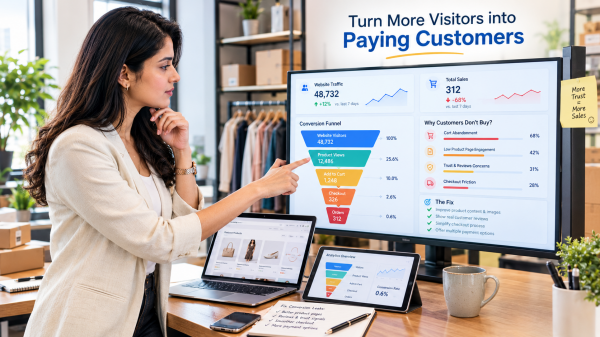
High-value jewelry prices can trigger doubt, even for financially stable customers. The amount may be affordable, but paying it in one transaction feels heavy. Without alternatives, customers pause to “think about it,” which often leads to cart abandonment.
From the brand’s side, this creates silent losses. There are no complaints, no price objections, no support tickets—just incomplete checkouts. Marketing teams increase traffic, but conversion rates remain stubbornly low.
The problem is not lack of demand. It is a lack of payment flexibility.
Their Customer Challenging Area: How Buyers Think About Payment
Customers buying jewelry online are not trying to avoid payment. They are trying to manage comfort.
Most buyers ask themselves:
- Can I Spread This Cost Over Time?
- Is EMI Safe And Transparent?
- Will There Be Hidden Charges?
- Is Financing Trustworthy For Jewelry?
These questions are practical, not opportunistic.
Customers may prefer EMI even when they can pay upfront, simply to keep cash flow flexible. For younger buyers, financing makes premium jewelry accessible earlier. For gifting occasions, EMI removes last-minute financial stress.
When EMI options are missing or unclear, customers assume the store is inflexible. When they are clearly explained, buyers feel understood.
Why EMI Matters More in Jewelry Than Other Categories
EMI options exist across ecommerce, but their impact is stronger in jewelry.
Unlike electronics, jewelry does not depreciate immediately. Customers perceive it as value retention. This mindset makes EMI psychologically acceptable.
At the same time, jewelry purchases carry emotional importance. Customers want the buying experience to feel supportive, not transactional. Flexible payment options signal empathy.
In physical stores, this has long been understood. Online jewelry stores must now replicate that same reassurance digitally.
Solution: How Ecommerce Platforms Enable EMI and Financing Smoothly
Offering EMI online is not just about adding a payment button. It requires integration, clarity, and trust.
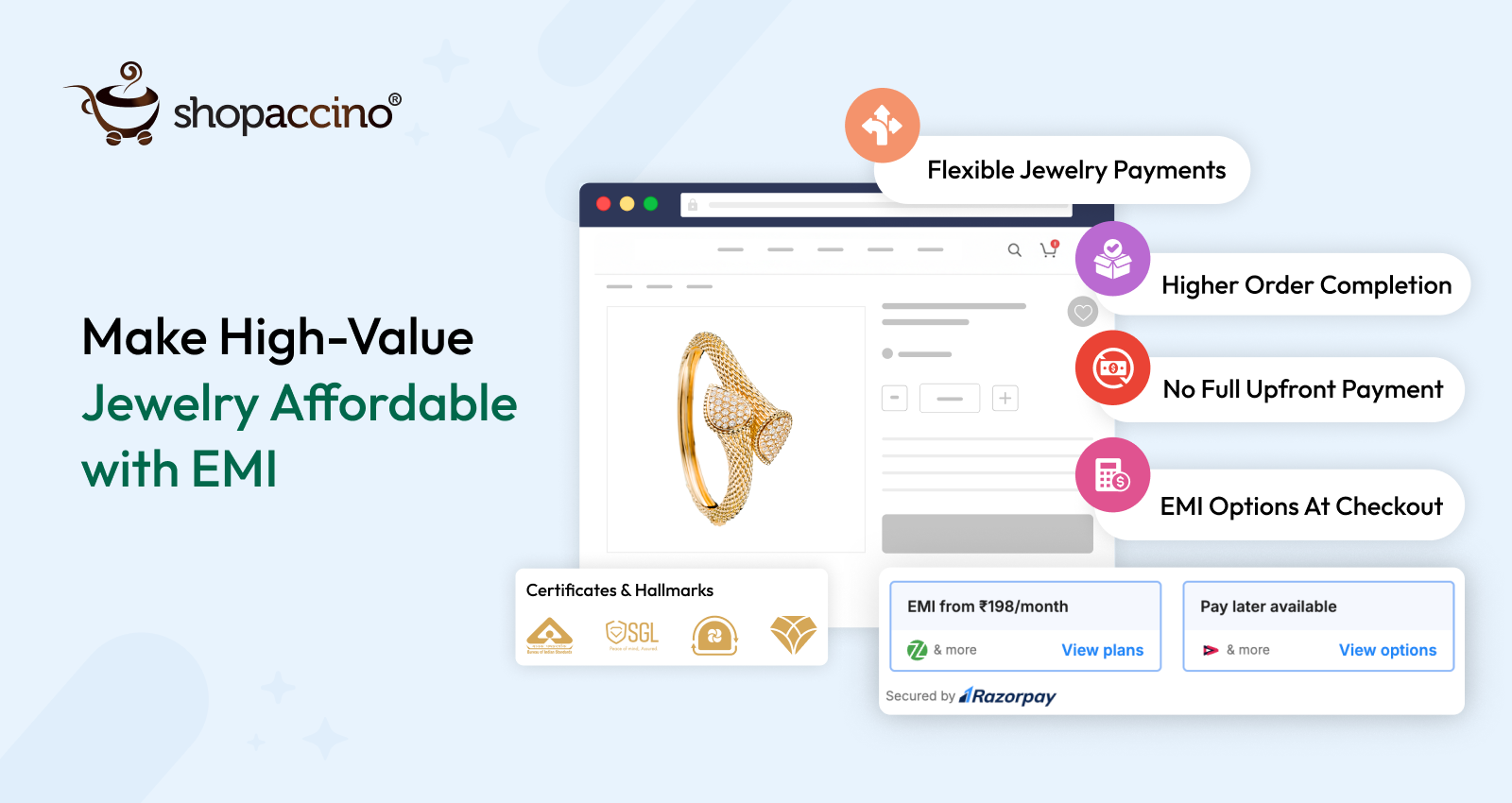
Modern ecommerce platforms allow jewelry brands to integrate with banks, card networks, and financing partners directly into the checkout flow. Customers see EMI options clearly before payment, not as a surprise after entering card details.
This transparency reduces fear.
Platforms like Shopaccino support integration with EMI and payment partners so jewelry brands can offer flexible checkout experiences without manual intervention. The platform handles eligibility, displays installment plans, and keeps the process smooth for both customers and store teams.
The key is that EMI feels like a natural part of the buying journey, not a workaround.
How Flexible Payments Build Trust Instead of Risk
Some jewelry brands worry that EMI increases risk. In reality, structured EMI reduces friction without increasing uncertainty.
When EMI options are clearly presented:
- Customers Feel Less Pressure
- Order Decisions Happen Faster
- Price Resistance Decreases
- Trust In The Brand Increases
The transaction still remains secure. The customer commits fully, while the payment responsibility is managed through trusted financial partners.
This balance between aspiration and affordability drives higher conversion rates.
How to Implement EMI and Financing: Step-by-Step Guidance
Adding EMI options should be deliberate and well-communicated.
Step 1: Understand Your Customer Payment Preferences
Review your average order value and buyer profiles. Higher-value products benefit most from EMI visibility.
Step 2: Choose Trusted EMI and Financing Partners
Work with banks or payment providers that customers already recognize and trust.
Step 3: Integrate EMI Clearly at Checkout
Ensure EMI options are visible before final payment, not hidden behind multiple clicks.
Step 4: Explain EMI Terms Simply
Display tenure options, interest details (if any), and total payable amounts clearly.
Step 5: Train Support Teams to Answer EMI Questions
When support teams understand EMI logic, customer confidence increases.
This structured approach removes confusion and builds comfort.
Why EMI Visibility Matters Before Checkout
One common mistake is showing EMI options only at the final payment screen. By then, hesitation has already formed.
Successful jewelry stores highlight EMI availability:
- On Product Pages
- Near Pricing Information
- During Checkout Summary
This early visibility allows customers to mentally commit sooner.
When buyers know they can pay in installments, the price feels manageable from the beginning.
Benefits of Offering EMI and Financing for Jewelry Brands
Jewelry brands that offer flexible payments experience consistent improvements.
Key benefits include:
- Higher Cart Completion Rates
- Increased Average Order Value
- Reduced Price Objections
- Better Access To Younger Buyers
- Stronger Competitive Position Against Marketplaces
Most importantly, customers feel respected, not rushed.
Why EMI Does Not Devalue Premium Jewelry
Some brands worry that EMI may reduce the premium perception of their jewelry. In practice, the opposite is true.
EMI does not discount the product. It simply spreads payment. Luxury brands across categories offer financing because it supports buyer comfort without lowering brand value.
When positioned correctly, EMI enhances accessibility while preserving prestige.
Conclusion
High-value jewelry purchases are emotional, meaningful, and carefully considered. When customers reach checkout and face a single upfront payment, hesitation can undo everything that came before.
Offering EMI and financing options transforms that moment. It reassures buyers that the brand understands their needs and respects their comfort. Instead of abandoning carts, customers move forward with confidence.
For online jewelry stores, flexible payment options are no longer optional. They are an essential part of recreating the supportive, trust-based experience customers expect from a physical showroom—now delivered through ecommerce.
FAQs
Many customers hesitate when asked to pay the full amount upfront. EMI options reduce this pressure and encourage order completion.
Yes. EMI is handled through trusted banks and payment partners, keeping transactions secure and reliable.
Not necessarily. EMI mainly improves payment comfort and does not affect product satisfaction or return intent.
Yes. Early visibility helps customers mentally plan payments and reduces hesitation later in checkout.
Absolutely. EMI helps smaller brands compete with larger marketplaces by offering the same payment flexibility.