
Subscription Commerce: How to Build Recurring Revenue Online
The digital economy is moving beyond one-time transactions. Consumers no longer want to remember weekly grocery purchases, monthly supplement refills, or recurring skincare essentials—they want convenience, predictability, and timely delivery without repeated effort. This shift has given rise to subscription commerce, a business model where customers sign up for ongoing access to products or services and brands earn recurring revenue instead of individual order sales.
Globally, subscription-driven brands—from meal kits to coffee roasters to wellness supplements—have scaled rapidly because they create stable revenue, improved retention, deeper customer relationships, and better lifetime value. In India too, the demand for subscription-friendly shopping experiences is growing across food, beauty, healthcare, wellness, pet care, home essentials, artisanal beverages, and personal care. Customers are increasingly willing to repeat purchases automatically if brands offer consistency, reliability, and convenience.
However, launching a subscription model is not just about adding a “repeat order” button. It requires operational readiness, inventory planning, communication workflows, fulfilment discipline, and the right digital infrastructure. Platforms like Shopaccino make it easier for brands to enable structured repeat orders, wallet-based top-ups, and scheduled delivery routines—allowing businesses to operate subscription-style sales even without complex automated billing engines.
This guide explores how to design, implement, and scale recurring revenue in a way that suits both the brand and the customer experience.
Challenging Area – Why Brands Struggle With Subscription Models
While subscription commerce looks attractive on paper, executing it sustainably can be complex. Brands often underestimate the operational discipline required to serve repeat customers reliably.
One major challenge is product suitability. Not every product earns repeat demand; only essential, consumable, or regularly-used products naturally fit this model. For businesses that apply subscriptions without product-market fit, churn becomes high and efficiency drops. Health supplements are one of the strongest natural fits, though they bring their own licensing and payment approval requirements.
Operational consistency is another challenge. Subscription customers expect timely deliveries, quality consistency, and no stock-outs. If inventory is not planned in cycles or fulfilment is unreliable, customers discontinue subscriptions after a few cycles.
Brands also struggle with data-driven retention strategy. Subscription success depends on understanding when customers reorder, why they pause, and how to win them back. Without insights, businesses lose recurring demand even if customers liked the product.
Finally, many businesses assume subscriptions require full automation with stored payment details and auto-renew billing. In reality, structured repeat orders—where customers commit to periodic purchases—can drive similar loyalty without complex tokenized billing systems.
The real challenge isn’t technology alone—it’s designing a consistent delivery and retention system.
Their Customer Challenging Area – What Subscribers Expect
Subscription buyers behave differently from one-time shoppers. They commit based on trust, reliability, and assurance that the product will continue meeting their needs.
Customers expect:
Convenience Without Manual Reordering
They want purchases to be scheduled, saved, or repeatable without browsing the website again each time.
Flexible Control
Customers want to skip deliveries, modify frequency, or pause subscriptions easily.
Clarity on Pricing and Duration
Hidden charges, unclear cycles, and opaque policies create churn.
Consistency in Quality and Delivery
A single poor delivery experience can cancel months of loyalty.
Reminders and Communication
Customers want timely notifications before orders renew or ship, especially when payments are manual.
Platforms play a major role here. A smooth digital journey keeps subscribers engaged, while friction pushes them back to offline buying behavior.
Solution – How an Integrated Platform Supports Subscription Commerce
Subscription commerce requires coordination across:
- Catalog setup
- Inventory visibility
- Scheduled order workflows
- Communication triggers
- Fulfilment consistency
Managing this manually is difficult, which is why brands need unified ecommerce systems instead of fragmented tools.
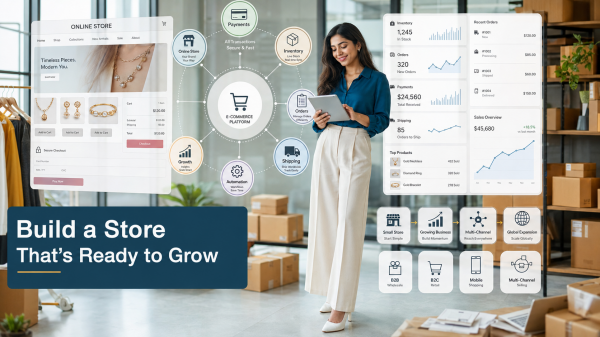
Platforms like Shopaccino help brands support subscription-style business models by enabling:
- Repeat purchase prompts based on customer history
- Wallet-based balance models for prepaid cycles
- Delivery scheduling and frequency-based order creation
- Customer account dashboards to manage upcoming orders
- Notifications to remind users to reorder or top up
This approach enables recurring revenue without requiring full auto-renew billing, making it suitable for MSMEs and early-stage brands.
The platform becomes a digital foundation while the brand controls operations, product cycles, and retention strategy.
How to Implement – A Roadmap to Launch Recurring Revenue
Implementing a subscription model requires strategic planning, operational readiness, and customer-centric workflows.
Step 1: Choose the Right Products
Subscriptions work best when products have natural repeat demand:
- Food & beverages
- Dairy & bakery
- Vitamins & wellness
- Grooming & skincare
- Pet supplies
- Cleaning & home care essentials
Start with a limited selection, then expand based on adoption.
Step 2: Create Subscription-Friendly Product Pages
Instead of one-time listings, explain:
- Usage cycles
- Benefits of repeat purchase
- Delivery options
- Pricing structure
Clarity increases adoption.
Step 3: Offer Flexible Billing Models
Without auto-renew billing, brands can use:
- Prepaid wallet balance
- Periodic manual payment cycles
- SMS/WhatsApp reorder triggers
- Plan-based pricing bundles
This allows flexibility without hardcore subscription tech.
Step 4: Automate Communication Workflows
Send:
- Reminders before upcoming orders
- Top-up notifications
- Shipping updates
- Post-delivery feedback
Consistent communication drives long-term retention.
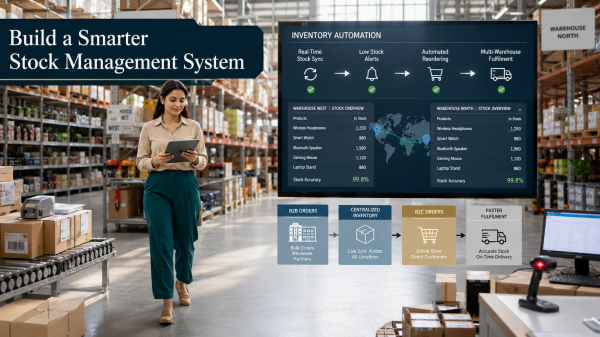
Step 5: Align Inventory With Subscription Demand
Use predictable demand to:
- Plan procurement cycles
- Maintain safety stock
- Reduce expiry losses
Recurring demand helps optimize manufacturing and forecasting.
Benefits of Subscription Commerce
Subscription commerce transforms revenue stability by shifting demand from unpredictable sales to planned cycles.
Predictable Cash Flow
Recurring demand makes revenue stable and forecastable.
Lower Acquisition Cost
Once subscribed, customers buy repeatedly without fresh marketing spend.
Higher Lifetime Value
Retention-focused models drive strong profitability.
Better Inventory Planning
Predictable cycles reduce overstocking and wastage.
Stronger Brand Loyalty
Customers form habits and emotional association with brands that deliver consistently.
Conclusion
Subscription commerce is not just a billing model—it’s a shift in how brands engage customers and build long-term loyalty. For businesses selling consumable or recurring-use products, this model offers a path to predictable revenue, improved margins, and deeper customer relationships.
A successful subscription strategy depends on three pillars: product suitability, operational consistency, and a smooth digital experience. Platforms like Shopaccino enable brands to manage repeat purchases, scheduled orders, wallet-based billing models, and customer journeys without building custom software from scratch.
As more Indian consumers embrace convenience-driven buying, subscription commerce offers brands a way to stay relevant, retain customers, and scale sustainably online.
FAQs
Not always. Brands can start with manual renewal, wallets, or scheduled orders.
Any brand selling consumables or repeat-use products—food, wellness, grooming, home care.
Yes—platforms like Shopaccino support subscription-style workflows without custom development.
Poor delivery consistency, unclear communication, and lack of flexibility.
Yes, hybrid models often perform best.
Yes, they reduce customer acquisition cost and increase lifetime value.
Yes, as long as products have consistent repeat demand.