Turn Mobile Visitors into Buyers with the Right Fashion App
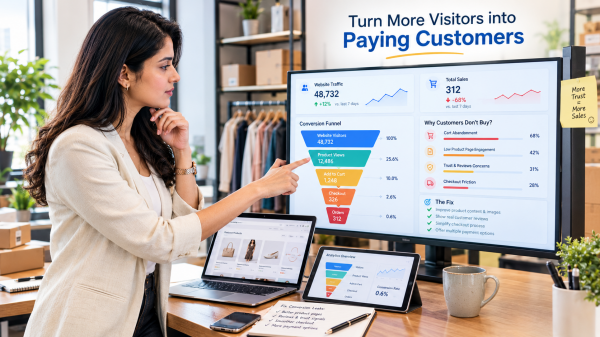
Mobile phones have become the primary window through which customers discover fashion brands. People scroll through collections while commuting, compare outfits during breaks, and save products late at night. Yet, for many fashion businesses, mobile traffic tells a frustrating story. Thousands of visitors browse products every day, but only a small percentage complete a purchase.
The problem is not interest. It is experience.
Fashion shoppers are visual, impatient, and easily distracted. If a mobile shopping experience feels slow, confusing, or uncomfortable, they leave without thinking twice. A website that works “well enough” on desktop often fails to convert mobile visitors into buyers.
This is where the right fashion ecommerce app makes a real difference. A well-designed app removes friction, builds comfort, and turns casual mobile browsing into confident buying. This blog explains why mobile visitors hesitate, what fashion shoppers expect on mobile, and how a dedicated fashion app helps brands increase conversions without relying on discounts or aggressive advertising.
Challenging Area: Why Mobile Visitors Don’t Convert into Buyers
Fashion brands often invest heavily in ads and social media campaigns to drive mobile traffic. But traffic alone does not guarantee sales.
Slow Loading Pages
Mobile users expect speed. If product pages take too long to load, attention drops instantly.
Difficult Navigation
Small screens make cluttered menus, filters, and category structures frustrating to use.
Repeated Login Barriers
Being asked to log in again and again breaks shopping momentum.
Confusing Size and Variant Selection
When size or color options are unclear, customers hesitate and exit.
Checkout Friction
Long forms, multiple steps, and unclear payment flows cause drop-offs at the final stage.
These problems don’t show up in analytics as “errors,” but they silently kill conversions every day.
Their Customer Challenging Area: What Mobile Fashion Shoppers Expect
Fashion buyers behave differently on mobile compared to desktop. Their expectations are shaped by the apps they use daily.
They Expect Speed
Pages should open instantly, images should load smoothly, and actions should feel immediate.
They Want Simple Browsing
Scrolling, swiping, and tapping should feel natural, not effortful.
They Expect Familiarity
Saved addresses, sizes, and payment options reduce decision fatigue.
They Want Confidence Before Paying
Clear product visuals, stock availability, and delivery timelines reduce hesitation.
They Prefer Minimal Steps
The fewer taps between browsing and checkout, the better.
When these expectations are met, mobile visitors feel comfortable enough to buy.
Solution: How the Right Fashion App Converts Mobile Visitors
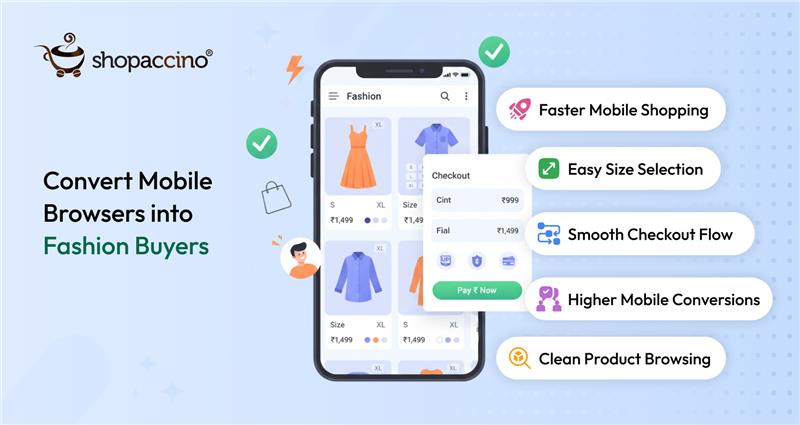
A fashion ecommerce app is designed specifically for mobile behavior, not adapted from desktop layouts.
App-First Speed and Performance
Apps load faster than mobile websites and handle images more efficiently.
Intuitive Mobile Navigation
Menus, filters, and product discovery are built for thumbs, not mouse clicks.
Persistent Login Experience
Once logged in, customers stay logged in, reducing repeat friction.
Clean Variant Selection
Sizes, colors, and styles are displayed clearly, minimizing confusion.
Streamlined Checkout Flow
Saved details and simplified steps make checkout feel effortless.
Platforms like Shopaccino enable fashion brands to launch mobile-first ecommerce apps that focus on usability and conversion rather than just aesthetics.
How to Implement the Right Fashion App (Step-by-Step)
Step 1: Design for Mobile First
Every screen should be built for vertical scrolling and one-hand usage.
Step 2: Simplify Product Pages
Use clean layouts, clear pricing, visible size charts, and high-quality images.
Step 3: Reduce Navigation Complexity
Limit menu depth and highlight popular categories prominently.
Step 4: Enable Fast Checkout
Use saved addresses, preferred payment methods, and minimal form fields.
Step 5: Use Smart Notifications
Remind customers about wishlisted items, restocks, or abandoned carts without spamming.
Step 6: Continuously Test and Improve
Monitor where users drop off and refine those screens regularly.
Step 7: Add Seamless Booking Systems
For brands offering services like styling consultations, integrating booking features can enhance the experience. Time Tailor, for instance, allows easy integration of an online booking system, giving customers the ability to schedule appointments directly within the app, improving engagement.
Benefits: How Fashion Apps Increase Mobile Conversions
Higher Conversion Rates
A smoother experience means more visitors complete purchases.
Lower Cart Abandonment
Reduced friction keeps customers engaged until checkout.
Stronger Brand Comfort
An app feels more trustworthy than an unfamiliar mobile website.
Faster Purchase Decisions
Saved preferences shorten browsing and buying time.
Better Repeat Engagement
Apps make it easier for customers to return without re-discovery.
Improved Mobile ROI
More conversions from the same traffic reduce advertising waste.
Conclusion
Mobile traffic is no longer optional for fashion brands—it is the main entry point. But traffic alone does not build revenue. Conversion depends on comfort, clarity, and confidence.
A dedicated fashion ecommerce app transforms mobile browsing into buying by removing friction at every step. It respects how customers use their phones, how they explore fashion, and how quickly they decide.
With platforms like Shopaccino, fashion brands can move beyond mobile-friendly websites and build app experiences that truly convert. When mobile shopping feels natural and effortless, visitors stop browsing and start buying.
FAQs
Because mobile websites are often slow, cluttered, and difficult to navigate.
Apps are faster, easier to use, and designed specifically for mobile behavior.
Yes. Better experience leads to higher conversion and repeat purchases.
Yes. Modern platforms make app creation accessible without technical complexity.
Speed, clear product display, easy checkout, and saved preferences.
Shopaccino provides mobile-first ecommerce apps with smooth shopping and conversion-focused design.