Why Every eCommerce Brand Needs Its Own Mobile App
In the fast-moving world of online shopping, the mobile phone has become the most influential storefront. Customers no longer wait to open a laptop or search on a browser—they browse, compare, and purchase directly through apps. Whether someone is ordering groceries, choosing a dress, refilling supplements, or buying electronics, mobile apps have become the default buying channel.
For eCommerce brands that want to grow fast, strengthen loyalty, and stay relevant in 2026, having a dedicated mobile app is no longer a luxury—it’s a strategic necessity. The brands that invest early in mobile app adoption enjoy higher repeat orders, smoother shopping journeys, and deeper engagement.
This blog explains why every online store should build its own mobile app, the modern business challenges apps solve, what customers expect today, and how platforms like Shopaccino make app development simple for MSMEs.
Challenging Area: Why Websites Alone Are Not Enough Anymore
Even though websites are essential, overdependence on them creates several limitations for fast-scaling brands.
Limited Customer Retention
Websites rely heavily on ads, SEO, and social media traffic. Once the visitor leaves, the brand loses visibility unless it pays again to bring them back.
Low Repeat Purchase Rates
Most MSMEs struggle with repeat orders because they don’t have a direct, instant communication channel with customers beyond email.
High Abandonment Rates
Website shoppers often get distracted by other tabs, notifications, or slow screen loading. This reduces conversion rates, especially for mobile browsers.
Weak Brand Recall
On the internet, customers are always one click away from competitors. Without a branded app icon on their phone, brands easily get forgotten.
No Real-Time Engagement Tools
Websites cannot send real-time alerts for:
- Offers
- Back-in-stock items
- Price drops
- Flash sales
- Cart reminders
Apps make real-time engagement effortless.
Their Customer Challenging Area: What Shoppers Expect Today
Customers are becoming more demanding, and their expectations from brands have changed completely.
Seamless, Fast Shopping
Users want smooth, quick, and app-like experiences. Apps load faster than websites, respond instantly, and feel more convenient.
Personalized Buying Journeys
Buyers expect recommendations based on:
- Past purchases
- Browsing history
- Saved items
- Behavior patterns
A mobile app understands their preferences better.
Instant Communication
Shoppers want:
- Order updates
- Delivery tracking
- Push notifications
- Loyalty rewards
- Exclusive discounts
They prefer quick messages over emails.
Shopping Without Sign-In Friction
Mobile apps store login details, making buying faster and more effortless.
Trust and Consistency
Apps make a brand feel official, reliable, and well-established, increasing buyer confidence.
Solution: How a Mobile App Solves These Problems
A mobile app turns a brand into a daily presence. Instead of hoping customers revisit a website, the app becomes an accessible shopping channel right on their phone.
A modern app built using an integrated eCommerce platform like Shopaccino offers:
- Faster load times
- One-click checkout
- Personalized recommendations
- Unlimited push notifications
- Seamless wishlist and reorder features
- Better browsing experience
- Stronger loyalty-building tools
- App-exclusive products and deals
This transforms the entire buying journey from passive to active.
How to Implement Your Mobile App (Step-by-Step)
This step-by-step guide is written in simple language so even first-time MSME founders can follow it easily. while planning their ecommerce app development services requirements.
Step 1: Decide Your App Objective
Before launching an app, choose the primary purpose:
- Faster repeat orders
- Better loyalty engagement
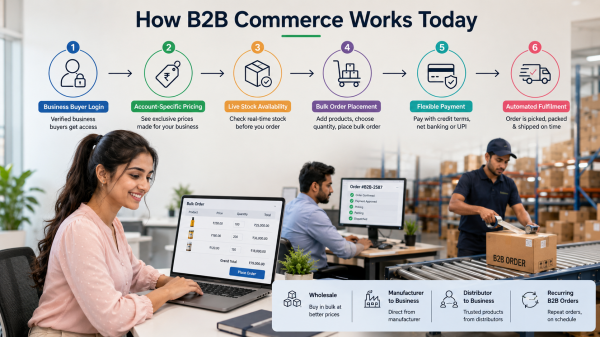
- Private B2B ordering
- Niche product personalization
- Faster product discovery
- Improved customer retention
Clarity helps shape the app’s design and structure.
Step 2: Use an Integrated Platform Instead of Custom Development
Custom app development is slow, expensive, and hard to maintain.
Platforms like Shopaccino offer:
- Native mobile apps
- Built-in ecommerce tools
- Automatic syncing with your website
- Faster deployment
- Lower cost
- Zero technical headaches
This ensures your app stays updated as your business grows.
Step 3: Optimize App Navigation and Categories
A clean structure helps customers shop quickly. Plan:
- Smart filters
- Product categories
- Search features
- Mega menus
- Easy access to cart and wishlist
The goal is to reduce friction at every step.
Step 4: Enable Push Notifications Wisely
Push notifications are one of the most powerful growth tools for mobile apps.
Use them for:
- Offers
- Low-stock alerts
- New arrivals
- Abandoned carts
- Delivery updates
- Subscription reminders
Shopaccino supports unlimited push notifications, helping brands stay connected without additional cost.
Step 5: Personalize the App Experience
A mobile app should feel like it was built for each customer individually. Use:
- Smart recommendations
- Recently viewed products
- Personalized coupon codes
- Quick reorder functions
- User-specific home screens
A personalized experience increases conversions effortlessly.
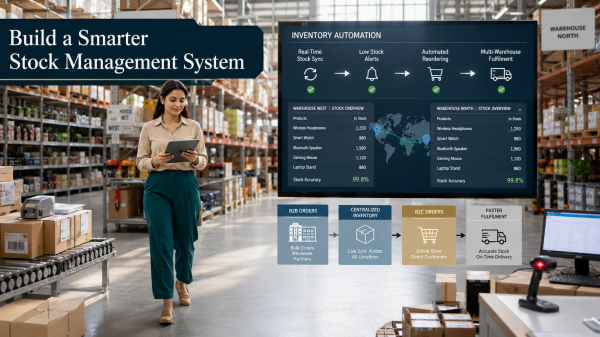
Step 6: Integrate Your POS, Inventory, and Delivery Partners
A mobile app is powerful only when the backend is strong.
Shopaccino allows smooth integration with:
- POS systems
- Multiple warehouses
- Quick delivery partners
- Accounting tools
- GST invoicing systems
This ensures every order placed from the app flows automatically into your operations.
Step 7: Encourage App Downloads Strategically
Use these simple methods:
- Add "Download App" banners on your website
- Offer app-only discounts
- Promote through WhatsApp broadcasts
- Add QR codes on packaging and invoices
- Run retargeting ads for app installs
Once customers download the app, retention improves significantly.
Benefits of Having Your Own eCommerce Mobile App
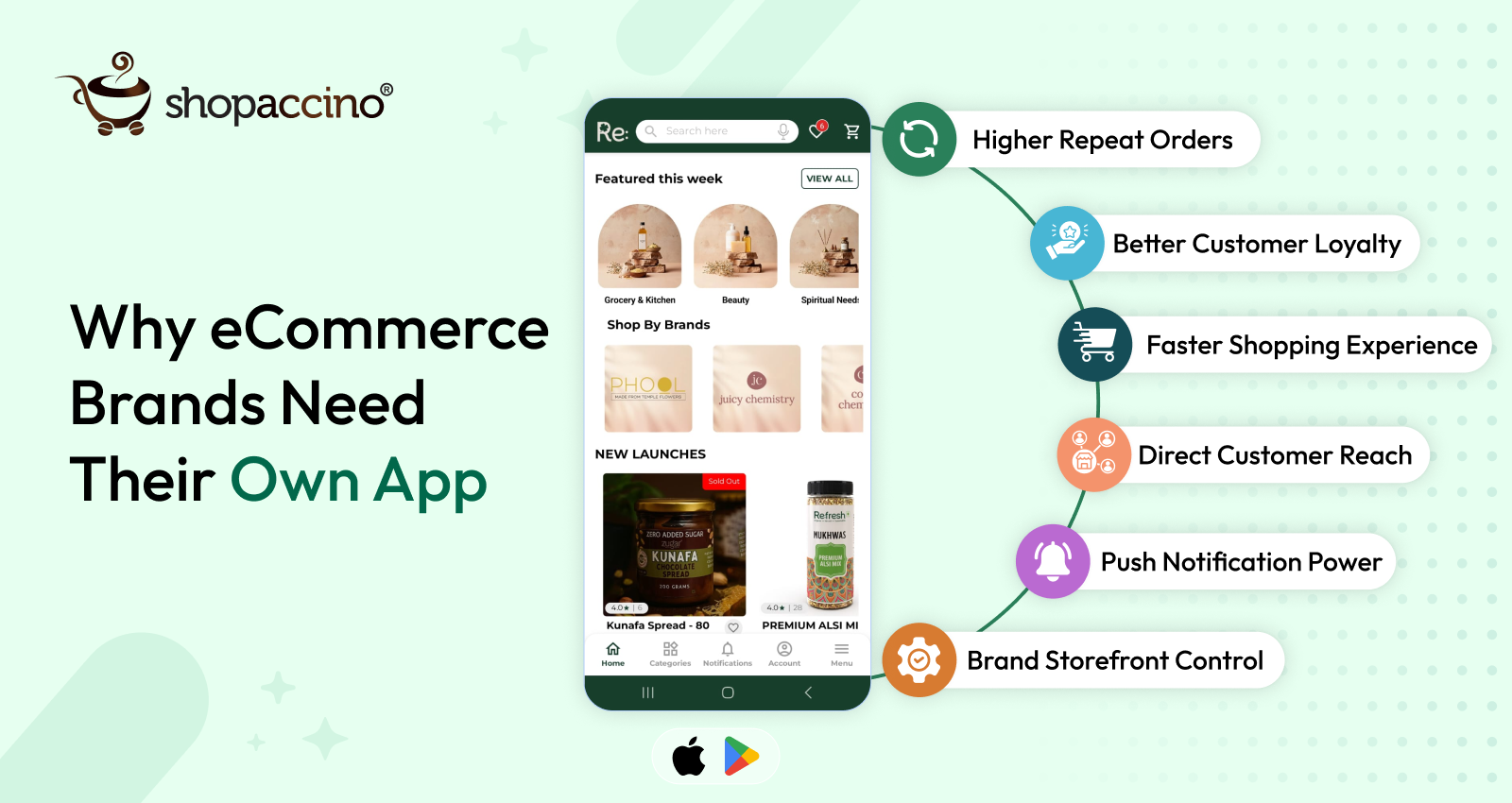
Higher Repeat Purchases
Apps make it easier for customers to reorder, revisit products, and shop regularly.
Better Customer Retention
With a direct connection through push notifications, brands stay present in customers’ daily lives.
Faster Buying Experience
Apps are quicker than mobile websites, reducing drop-offs and improving conversions.
Stronger Brand Identity
A branded app icon on the user’s phone is the strongest recall any brand can get.
Improved Personalization
Apps track behavior better, helping you offer more relevant recommendations.
Lower Marketing Costs
Instead of running frequent ads, apps allow free re-engagement through notifications.
A Unified Shopping Experience
With Shopaccino, both website and app sync perfectly—products, customers, inventory, and orders stay aligned.
Conclusion
The future of eCommerce is mobile-first. Customers are spending more time on mobile apps than on websites, and brands that understand this shift early gain a major competitive advantage. Whether you run a D2C brand, export business, manufacturing unit, wholesale operation, or distribution network, a mobile app is one of the most powerful tools for long-term growth.
With platforms like Shopaccino, building a native, high-performance mobile app becomes simple, affordable, and scalable. It helps MSMEs create smoother buying experiences, boost repeat orders, and strengthen customer loyalty—without investing in heavy development.
Owning a mobile app is no longer optional. It’s a growth engine that separates thriving brands from struggling ones.
FAQs
Because apps help improve repeat purchases, personalize the shopping experience, and keep customers engaged through faster browsing and push notifications.
Yes. Apps load faster, store user preferences, offer better navigation, and support stronger retention tools.
Yes. Brands can re-engage customers for free using push notifications instead of paid ads.
Yes. Modern platforms like Shopaccino make it simple, cost-effective, and fully synced with the online store.
Absolutely. Apps create smoother checkout flows, which reduces abandonment and encourages more purchases.
Yes. Even small brands benefit from better customer engagement, faster reorders, and a strong digital presence.
Yes. Integrated platforms allow complete backend syncing for inventory, orders, and logistics.