Fashion eCommerce Trends 2026: Personalization and Beyond
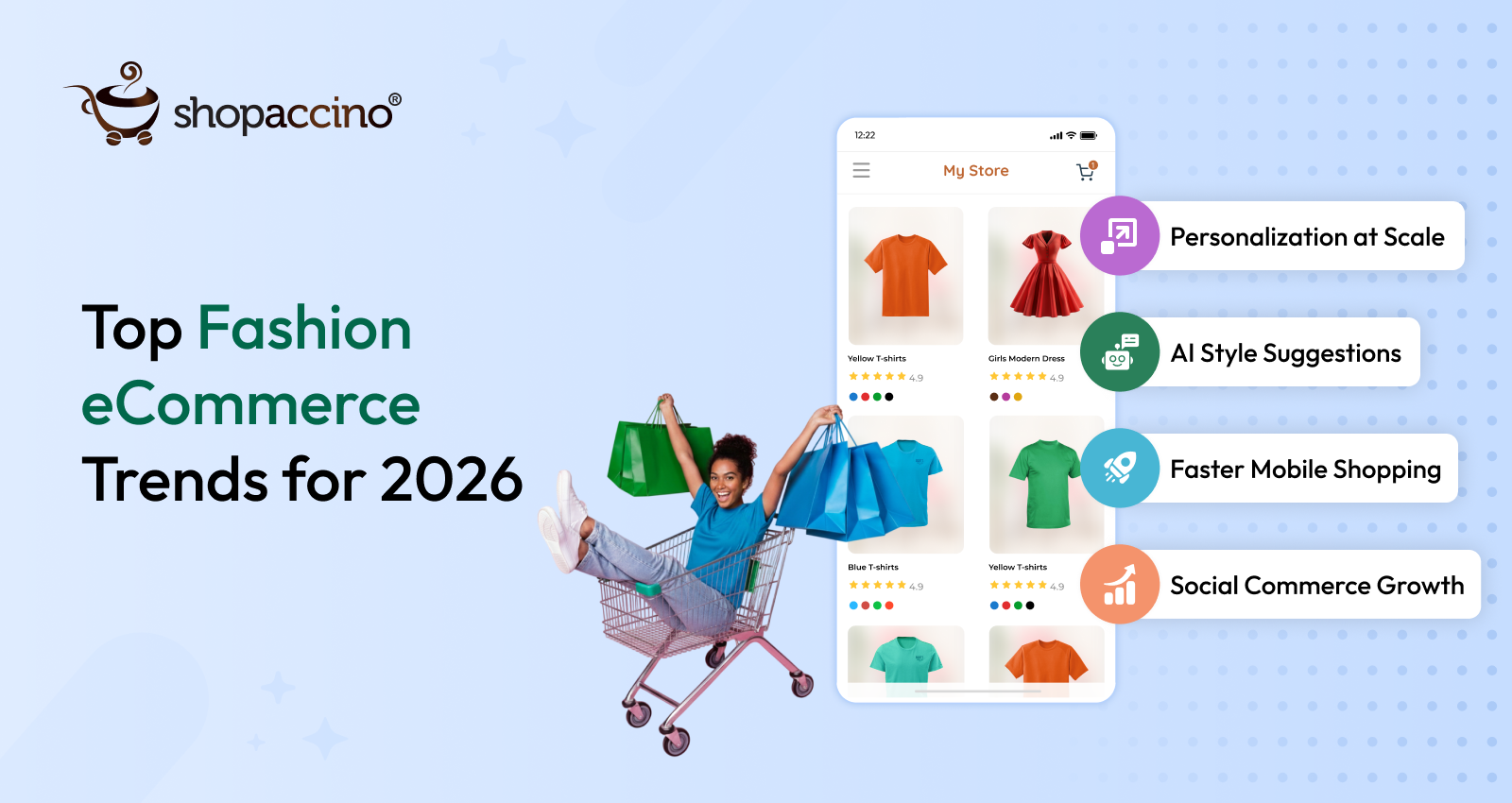
Fashion ecommerce is evolving faster than nearly any other digital retail category. What started as simple catalog browsing has transformed into a highly immersive, data-driven shopping experience where personal expression, technology, and real-time engagement shape buying decisions. As shoppers become more digital-first, fashion brands are expected not only to offer compelling products but also intuitive browsing, faster delivery, and personalised interactions across channels.
By 2026, the competitive edge will shift from merely listing products online to creating tailored experiences—where style recommendations feel personal, product visualization becomes more confidence-building, and purchasing journeys adapt to individual lifestyles. Technologies such as AI-driven personalization, smart size suggestions, fast checkout, and omnichannel fulfilment are no longer futuristic—they are becoming foundational expectations.
For growing brands, especially independent labels and MSME fashion retailers, this means adopting smarter ecommerce tools rather than depending solely on social media presence or manual catalogue sales. Platforms like Shopaccino help brands streamline storefronts, manage inventory, launch branded shopping experiences, and align digital operations with modern consumer demand.
This guide explores how fashion ecommerce will evolve through 2026—and how brands can prepare strategically.
Challenging Area – Why Fashion Brands Struggle to Scale Online
Fashion is one of the most attractive ecommerce categories, but also one of the most operationally demanding. Unlike commoditised products, apparel and accessories require strong visual presentation, accurate sizing guidance, deeper personalization, and proactive marketing.
A major bottleneck is product representation. High-quality images, lifestyle content, variant displays, and fabric clarity require ongoing investment. Without rich visual detail, returns increase and purchase confidence declines.
Brands also struggle with collection lifecycle management. Fashion products have shorter demand windows due to seasonality, trends, and rapid shifts in behaviours. Small brands often face delays updating catalogs, managing out-of-stock items, or aligning reorders with real-time demand.
Logistics complexity grows quickly as brands expand. Multiple delivery zones, local pickup, segmented warehouses, and offline-online inventory sync can create friction unless supported by an integrated platform.
Finally, marketing sustainability becomes a challenge. Many labels rely heavily on paid ads; without strong retention and repeat-purchase systems, profitability drops—even when traffic is high.
Most fashion brands don’t fail due to a lack of audience—they fail because their digital operations aren’t built for scale.
Their Customer Challenging Area – What Modern Fashion Shoppers Expect
Fashion buyers today want more than product listings—they expect inspiration, reassurance, and seamless experiences.
Contextual Discovery
Consumers want curated styles, trending looks, seasonal collections, influencer-like pairing suggestions, and layouts that resemble personal styling—rather than plain category pages.
Accurate Sizing and Fit Guidance
Sizing errors are still the top reason for returns. Shoppers want measurements, size charts, fit notes, and comparisons that help them avoid guesswork.
Personalization Based on Style Identity
Fashion shoppers appreciate when the store adapts—recommending colours, silhouettes, and price ranges based on their past behaviour.
Immersive Visualization
Even without AR, shoppers still expect confidence-boosting product detail such as:
- 360° product views
- Fabric close-up shots
- Model references
- Styling suggestions
These elements help replicate an in-store experience.
Fast Checkout & Trust Signals
Shoppers abandon carts when:
- Payment methods are limited
- Delivery timelines are unclear
- Return policies feel restrictive
Modern buyers reward brands that combine inspiration with convenience.
Solution – How Smart eCommerce Platforms Support Fashion Growth
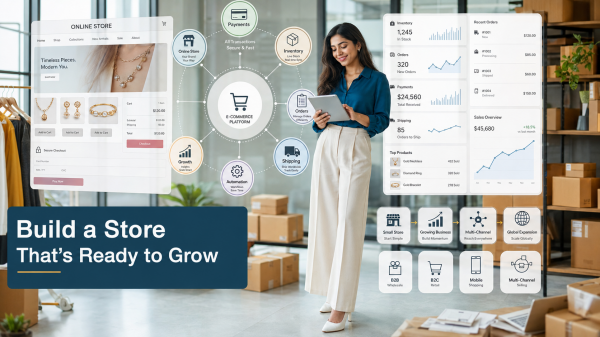
To scale effectively, fashion brands need systems that unify catalog management, storefront experience, customer engagement, and fulfilment automation.
Platforms like Shopaccino help brands achieve this through:
End-to-End Storefront + Backend
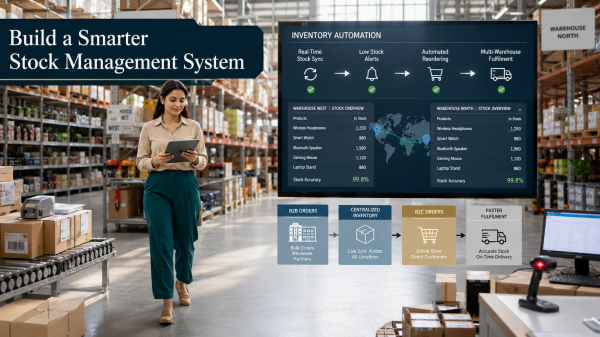
Brands can manage variants, size charts, orders, and centralized inventory from a single system—reducing errors and operational gaps.
Catalog Depth Designed for Fashion
With flexible variation handling, lifestyle image support, and intuitive product taxonomy, brands can present collections professionally without technical complexity.
Customer Experience Tools
Features like wishlist, quick view, smart filters, product recommendations, and personalized navigation improve product discovery and reduce bounce rates.
Integrated Payments and Logistics
End-to-end fulfilment workflows streamline dispatches, reduce manual errors, and improve delivery accuracy.
Retention & Promotion Systems
Coupon automation, email/WhatsApp notifications, and behaviour-based remarketing drive repeat purchase frequency—a critical metric for fashion businesses.
With these foundations, brands can operate like established fashion retailers even during early growth stages.
How to Implement – A Practical Roadmap for Fashion Brands
Step 1: Build a Branded Digital Store
Create a dedicated online fashion destination that reflects your brand identity—from theme and colour choices to product hierarchy and lifestyle presentation.
Step 2: Invest in High-Quality Visual Content
Use model images, videos, 360° views, and close-ups to help shoppers feel confident about textures, drape, and fit.
Step 3: Structure Seasonal & Trend-Based Catalogues
Map seasonal drops, festive edits, and trend-driven collections. Agile catalog updates keep your brand fresh and relevant.
Step 4: Personalize Customer Communication
Segment customers based on purchase history, style preferences, categories browsed, and cart behaviour. Even basic segmentation can lift conversions significantly.
Step 5: Optimize Fulfilment
Create efficient workflows for packaging, dispatch, return handling, and size exchanges to build trust and minimize operational chaos.
Benefits of Technology-Driven Fashion eCommerce
Higher Conversion Rates
Better visuals, faster navigation, and personalization remove hesitation and encourage confident buying.
Lower Return Rates
Accurate sizing tools and clear product representation reduce mismatches.
Faster Collection Launches
Digital-first workflows help brands release new arrivals frequently without heavy technical work.
Stronger Customer Retention
Segmentation and personalized campaigns turn occasional shoppers into loyal customers.
Scalable Operations
Unified systems reduce manual workload, helping teams manage higher order volumes efficiently.
Fashion becomes truly scalable when creativity merges with digital precision.
Conclusion
Fashion ecommerce in 2026 is no longer defined by catalog uploads—it’s defined by experiences that lead shoppers from inspiration to purchase effortlessly. Customers expect discovery-driven browsing, real-time personalization, confidence-building product visualization, and smooth fulfilment.
Technology doesn’t replace creativity; it strengthens it.
Platforms like Shopaccino empower fashion brands to manage variants, streamline logistics, create branded shopping journeys, and build long-term customer relationships without technical overload. The brands that embrace digital evolution—not just trend shifts—will lead the next wave of modern fashion commerce.
FAQs
Because personalized recommendations reduce browsing friction and increase conversion and engagement.
Not necessarily—360° views, close-ups, styling suggestions, and sizing clarity alone can significantly boost confidence.
By improving size charts, product descriptions, and visual detail
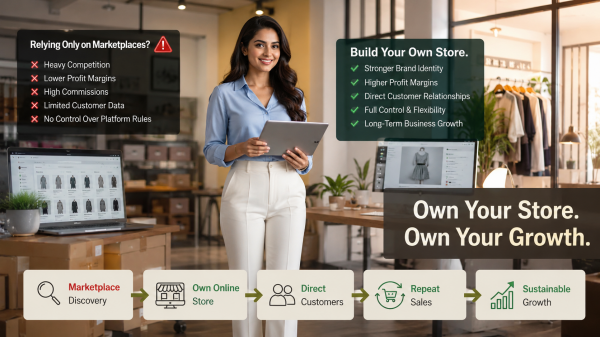
Marketplaces help with discovery, but brand-owned stores build loyalty, better margins, and long-term customer data.
Clear return policies, transparent delivery timelines, secure payments, and professional product presentation.
No. Even simple segmentation and curated recommendations are effective starting points.
By consolidating catalog management, payments, fulfilment, marketing, and customer data in one place.