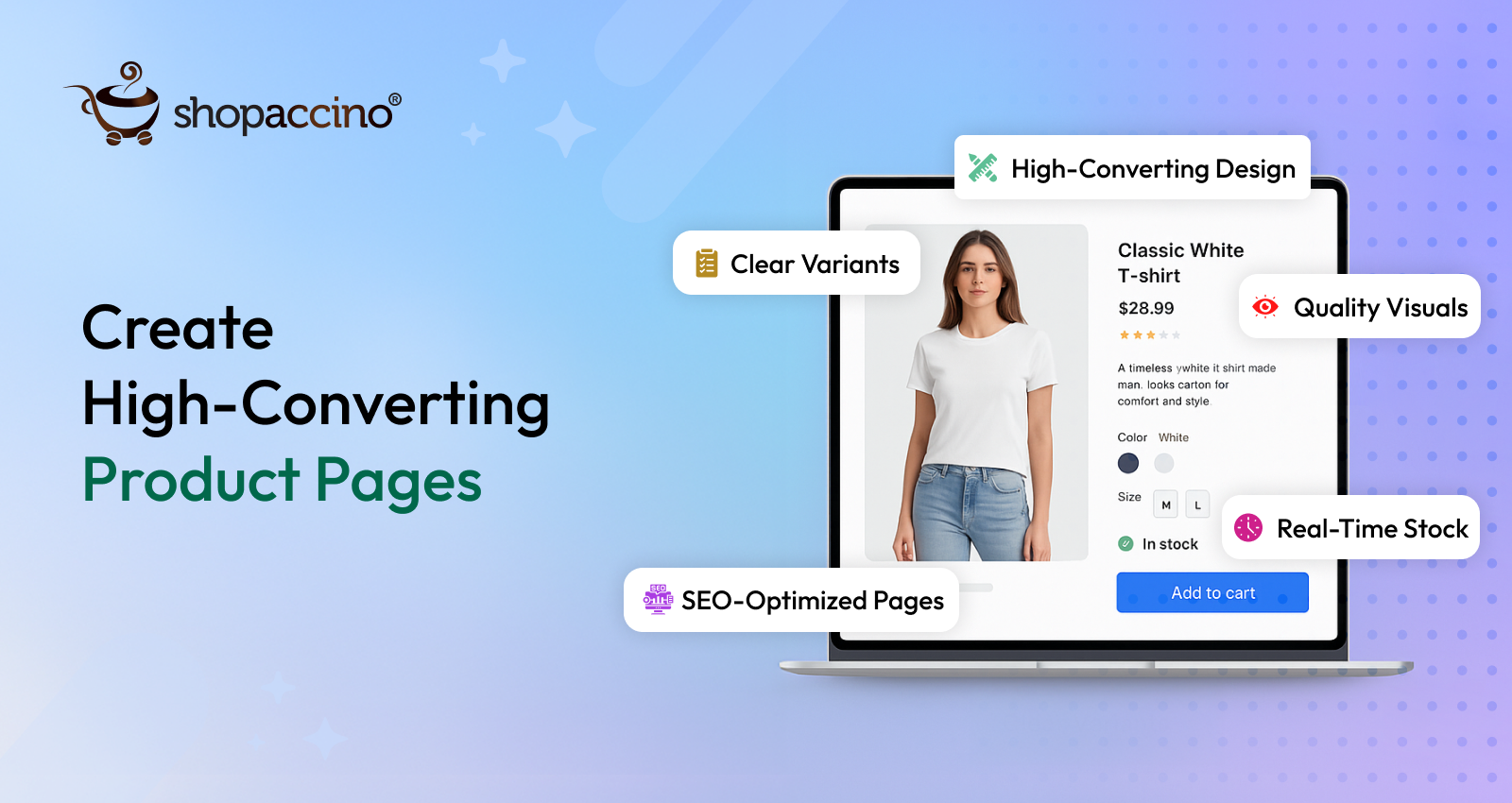
How to Build High-Converting Product Pages
A product page is far more than a display of images and descriptions—it's the moment of truth in the online buying journey. Everything your brand communicates, from trust and credibility to product value and usability, must culminate at this single point. A beautifully designed homepage or an impressive ad campaign can capture attention, but it is the product page that ultimately determines whether the customer decides to buy—or abandon.
In today’s competitive ecommerce landscape, high-converting product pages play a pivotal role in bridging intent and action. For MSMEs, D2C brands, and B2B sellers, crafting the perfect product page requires a blend of psychology, storytelling, usability, and data-driven structure. This blog explores how to build product pages that not only inform but persuade, reassure, and convert.
Challenging Area: Why Product Pages Fail to Convert
Many ecommerce businesses invest heavily in ads, social content, and website design—yet overlook the one area that actually drives revenue. Product pages often fall short due to avoidable flaws that disrupt the buyer’s decision-making flow.
Weak product storytelling
Most product pages simply list features without communicating benefits. Buyers want context—why it matters, how it helps, and what makes it worth the price.
Poor-quality media
Blurry images, inconsistent backgrounds, and limited angles lower buyer confidence. Without tactile touch and feel, visuals are everything.
Unclear variant options
When color, size, or specifications aren't displayed intuitively, customers hesitate and bounce.
Missing trust signals
Shoppers look for:
- Reviews
- Ratings
- Social proof
- Policies
- Shipping clarity
Without them, risk perception increases.
Lack of urgency or relevance
If shoppers cannot see real-time stock, delivery timelines, or limited availability, the purchase appears non-essential.
Overwhelming or cluttered layout
Poor content hierarchy, excessive text, and confusing CTAs make decision-making harder.
Across industries—fashion, home decor, footwear, grocery, jewelry, handicrafts, or B2B—the story is the same: product pages matter more than most businesses realize.
Their Customer Challenging Area: What Buyers Expect on a Product Page
Today’s customers—whether B2C shoppers or B2B procurement professionals—operate with sharp expectations shaped by technology and convenience.
Immediate clarity
Buyers want to understand the product instantly through high-quality imagery, crisp descriptions, and quick-glance details.
Seamless navigation
Variant options, size charts, colors, and custom attributes should be effortless to locate.
Honest and detailed information
Incomplete descriptions signal a lack of professionalism. Buyers expect:
- Material
- Dimensions
- Specifications
- Care details
- Warranty
- Availability
Personalization
Modern digital customers appreciate tailored experiences, such as recommendations, “recently viewed,” or “frequently bought together” elements.
Transparency
Consumers want to know:
- Is it in stock?
- When will it ship?
- Are returns allowed?
- What does shipping cost?
Mobile-first experience
Most buyers browse and purchase from mobile devices. Any friction can dramatically hurt conversion.
Whether your buyer is from an Established D2C Brand, a Wholesaler, an Exporter, a Manufacturer, or a Distributor, these expectations remain consistent.
Solution: How an Integrated Ecommerce Platform Strengthens Product Pages
A powerful ecommerce platform connects your backend operations to your front-end buying experience. With platforms like Shopaccino, businesses gain features that ensure product pages are not only visually appealing but operationally correct, data-driven, and built for conversion.
A high-performing platform offers:
- Variant-based inventory
- Size charts
- Color swatches
- Custom product fields
- Product add-ons
- Search terms
- SEO fields
- Structured data
- Pin-code-based delivery insights
- Real-time stock availability
- Image + video support
- Cross-sell and upsell automation
This infrastructure ensures your product pages are optimized for both users and search engines.
How to Build High-Converting Product Pages (Step-by-Step)
Start with High-Quality Visuals
Images and videos shape 70% of the buying decision online. Present your products the way premium brands do.
Use multiple angles
Front, side, back, close-up, lifestyle—each builds confidence.
Embed product videos
Demonstration videos, styling videos, or real use-case clips increase conversion substantially.
Add zoom and clarity
Allow customers to inspect details closely. High resolution shows quality.
Highly converting pages on Shopaccino leverage features like image galleries, videos, image-with-text layouts, and 360-degree views (where applicable).
Craft Benefit-Driven Product Descriptions
A description is not a list of attributes—it’s a narrative explaining why the product matters.
Instead of:
"Material: Cotton, Size: M–XL"
Use:
"A premium breathable cotton fabric crafted for all-day comfort, available in sizes designed to fit different body shapes naturally."
Include:
- Features
- Benefits
- Usage guidance
- Care instructions
- Technical specifications
This blend informs while persuading.
Make Variants Highly Visible
Confusion kills conversions. Present options clearly:
- Color swatches
- Size selectors
- Metal type
- Weight variants
- material choices
Platforms like Shopaccino enhance this with real-time variant inventory, color mapping, and filters that help customers find the perfect match.
Use Trust Elements Strategically
Trust reduces friction in the decision cycle.
Key trust signals include:
- Verified reviews
- Customer testimonials
- Product ratings
- Guarantee/warranty details
- Clear policies
- Store credibility badges
For high-value categories like jewelry, furniture, or electronics, trust elements are essential.
Add Smart Conversion Boosters
High-converting product pages use intelligent elements that subtly nudge the buyer toward purchase.
These include:
Cross-sell recommendations
Showing “You may also like” or “Frequently bought together” increases relevance.
Wishlist
Allows customers to revisit their saved items later, improving repeat visits.
Product add-ons
Options such as gift packaging, assembly service, or personalization enhance the buying experience.
Search terms
Adding keywords to product metadata improves discoverability.
Show Real-Time Stock & Delivery Information
Nothing frustrates customers more than uncertainty.
Display:
- In-stock / Sold Out
- Estimated delivery dates
- Pincode-based serviceability
- Dispatch timelines
This level of transparency dramatically boosts buyer trust.
Optimize for Mobile First
A product page must perform perfectly on mobile:
- Lightweight image loading
- Crisp text formatting
- Sticky add-to-cart button
- Easy scrolling
- Optimized CTAs
With high mobile traffic across industries, mobile UX often decides the conversion outcome.
Strengthen Technical SEO & Structured Data
High-converting pages also need high visibility.
Focus on:
- Product schema
- Optimized meta tags
- Clean URLs
- Rich snippets
- Internal linking
- Optimized headings
Platforms like Shopaccino automatically enable product schema for better search performance, increasing rankings for high-converting product pages, product SEO, and other relevant search terms.
Benefits of High-Converting Product Pages
Higher Conversion Rates
Clear storytelling, visuals, and trust elements significantly improve purchase likelihood.
Stronger User Engagement
Well-structured product pages increase time spent on the page—a strong SEO signal.
Fewer Returns
Better product understanding reduces dissatisfaction post-purchase.
Improved Mobile Performance
A frictionless mobile experience increases conversions among high-intent users.
Higher Average Order Value
Cross-sells, add-ons, and recommendations naturally increase basket size.
Enhanced Brand Perception
High-quality pages reflect a professional, trustworthy brand identity.
Conclusion
A high-converting product page is built, not guessed. It blends visual storytelling, clear structure, customer psychology, and platform capability. When executed well, it becomes your brand’s strongest revenue engine—turning every visitor into a potential buyer and every skeptic into a loyal customer.
With an ecommerce platform like Shopaccino, MSMEs gain access to all the essential tools required to build compelling, conversion-ready product pages—from variant management and size charts to videos, filters, add-ons, and real-time inventory sync.
Regardless of whether you’re an Established D2C Brand, Exporter, Manufacturer, Wholesaler, or Distributor, investing in optimized product pages ensures sustainable growth in a competitive digital marketplace.
FAQs
A combination of strong visuals, clear information, trust elements, and intuitive navigation ensures high performance.
At least 5–7 angles including lifestyle shots for maximum clarity.
Yes. Videos boost engagement and improve customer confidence significantly.
Very important. Reviews build trust and influence purchase decisions.
Yes. Delivery transparency increases trust and encourages buyers to complete the purchase.
Yes. Shopaccino includes features like variant mapping, SEO fields, product schema, add-ons, reviews, filters, and videos
Clear specifications, custom pricing, and technical details help streamline procurement decisions.