Managing Inventory & Delivery Time Slots for Grocery Stores
Online grocery may look like a simple order-and-deliver model, but in reality, it operates on fragile supply chains, fast-moving stock cycles, and highly time-bound fulfilment expectations. A customer ordering vegetables today does not want delivery tomorrow. Someone ordering infant formula needs certainty—not a replacement, not a delay. Freshness, availability, and punctuality are what define customer loyalty in this category.
Unlike fashion or electronics, grocery is not just ecommerce; it is operational logistics with a storefront.
To succeed, brands must balance real-time inventory visibility, controlled stock movement, expiry-sensitive assortments, and delivery slot availability that adapts to demand, geography, and capacity.
Platforms like Shopaccino enable grocery brands to bring these elements together—managing inventory centrally, offering automated time slots, enabling location-based delivery logic, and streamlining order fulfilment workflows across multiple service regions.
When technology handles complexity, grocery sellers can focus on procurement, pricing, and customer satisfaction—not manual coordination.
Challenging Area – Why Grocery Inventory Is Hard to Manage Online
Grocery products behave differently from typical ecommerce SKUs.
They include:
- Variable weight items
- Perishables with short shelf life
- Packaging variations across suppliers
- Seasonal stock fluctuations
- Last-mile time sensitivity
- Fluctuating daily order volume
Most retailers struggle not because demand is low, but because operations break down.
Key challenges include:
Stock mismatches between actual inventory and digital listings lead to cancelled orders and distrust.
Expiry-sensitive items require timely clearance strategies, not standard static stock management.
High replenishment frequency means stock entries change daily, sometimes multiple times per day.
Multiple fulfilment sources—dark stores, local hubs, partner locations—create complexity without a unified system.
Manual tracking simply cannot scale; grocery needs real-time, structured operations.
Their Customer Challenging Area – What Grocery Buyers Expect
Customers buying groceries online behave differently from lifestyle shoppers.
They Expect Same-Day or Next-Day Delivery
Convenience is the value proposition; long waits kill intent.
They Expect Availability & Consistency
They feel frustrated when items go out of stock after checkout.
They Expect Freshness & Packaging Care
Damaged fruits or melted chocolates are not forgiven easily.
They Expect Precise Time Slots
Customers plan meals and household routines based on expected delivery.
They Expect Transparency
If a product is unavailable or replaced, the customer wants proactive visibility—not discovery at delivery.
If brands don’t meet these expectations, customers quickly switch to competitors.
Solution – How Integrated Platforms Power Grocery Fulfilment
With a platform like Shopaccino, grocery businesses can align inventory, order flows, and delivery scheduling in a single ecosystem.
Key capabilities include:
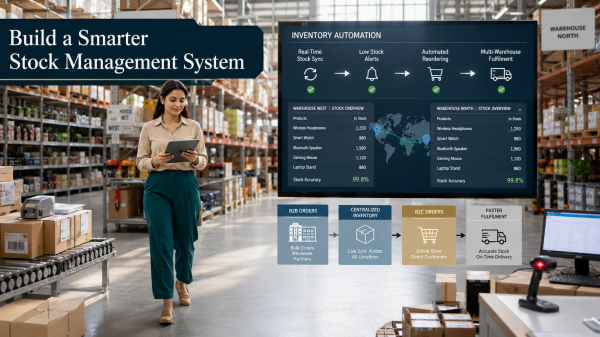
Real-Time Inventory Sync Across Fulfilment Points
Stock availability updates instantly, reducing mismatch between physical inventory and digital listings.
Automated Delivery Time Slots
Customers choose from dynamically generated slots based on:
- Operational capacity
- Delivery teams
- Location-based feasibility
- Time-bound demand patterns
Capacity-Based Slot Restriction
Slots close automatically once fulfilment capacity is reached, preventing overbooking.
Integrated Checkout Logic
Delivery slot selection is embedded directly into the order process, not handled separately.
Order Routing Based on Region
Orders can be assigned to the correct fulfilment location based on service area rules, not manual sorting.
Technology enables predictable operations, even during peak hours or festival seasons.
How to Implement – A Practical Roadmap for Grocery Brands
Step 1: Structure Your Inventory in Real-Time
Create categories such as:
- Daily essentials
- Fresh & perishables
- Frozen products
- Household items
Enable live stock count rules and automatic out-of-stock pairing for unavailable items.
Step 2: Define Service Areas & Delivery Zones
Map pin codes, sectors, colonies, and delivery regions so orders route correctly.
Each region can have different:
- Cut-off timing
- Delivery hours
- Minimum order values
Step 3: Configure Dynamic Delivery Time Slots
Set up slot availability based on:
- Delivery fleet strength
- Demand forecast
- Locality distance
- Product types
Step 4: Align Procurement With Demand Patterns
Use data to plan purchasing:
- Sales trends
- Seasonal spikes
- New-launch impact
- Wastage patterns
This ensures freshness without overstocking.
Step 5: Automate Notifications & Alerts
Trigger SMS/email/app alerts for:
- Slot confirmation
- Dispatch updates
- Substitutions
- Estimated arrival timing
This reduces customer anxiety and inbound support tickets.
Benefits of Smart Inventory & Slot-Based Fulfilment
Reduced Operational Errors
Automation prevents manual overbooking and stock mismatches.
Higher Order Success Rate
Real-time visibility reduces cancellations and replacements.
Improved Delivery Efficiency
Time-slot routing reduces delays and supports better resource planning.
Better Customer Loyalty
Predictability builds trust, especially for recurring essentials.
Higher Revenue Stability
Grocery demand is repeat-driven; systems help retain customers long term.
Conclusion
Grocery ecommerce thrives only when the backend works as smoothly as the storefront. Customers don’t just want options—they want reliability. Inventory accuracy, fast fulfilment, and precise delivery timing shape the entire experience.
With a platform like Shopaccino, grocery businesses can manage real-time inventory, automate delivery slots, route orders intelligently, and maintain high fulfilment accuracy, even with daily operational changes.
The brands that win aren’t just fast—they’re predictable.
FAQs
They allow customers to plan their day and ensure orders arrive when someone is available.
Use real-time inventory updates and structured replenishment workflows.
Not always, but it significantly improves customer experience for daily orders.
It prevents human errors in routing, timing, and stock allocation.
Yes—technology helps them operate professionally without scaling costs.
Yes—it prevents accidental delivery of wrong or unavailable products.
They define feasibility, timing, and fleet allocation.