5 Ways Exporters Can Cut Costs and Boost Reach with an eCommerce Platform
In the world of global trade, exporters face a balancing act — managing rising costs, complex logistics, and changing buyer behavior while still expanding into new markets. Traditional export models rely heavily on trade shows, distributors, and manual transactions, all of which add costs and limit visibility.
But times are changing. With the rise of eCommerce platforms for exporters, even traditional B2B exporters can build a direct global presence without relying on expensive intermediaries. From multi-currency payments to automated tax and duty handling, a single unified platform can transform how exporters operate.
Platforms like Shopaccino are helping exporters cut operational costs, simplify processes, and reach global buyers faster — all while maintaining full control of their brand and pricing.
Challenging Area — What Exporters Struggle With
Exporters, especially small to mid-sized manufacturers, face unique pain points that drain profit margins and slow growth:
- High distribution costs: Traditional trade relies on middlemen, agents, and wholesalers, each taking a share of the profit.
- Manual processes: Exporters often manage pricing, invoicing, and orders manually across multiple systems, increasing the chance of errors and delays.
- Currency and payment hurdles: Handling multiple currencies and cross-border payment methods adds complexity and cost.
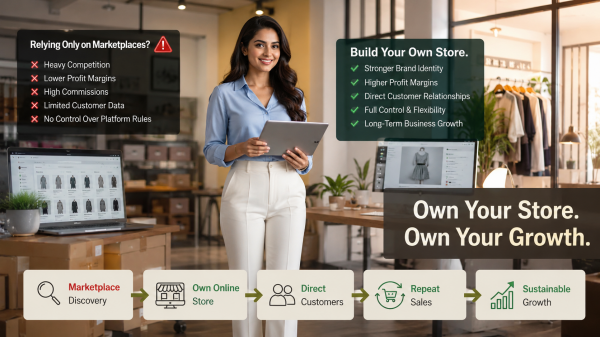
- Limited visibility: Many exporters depend on third-party marketplaces, losing control over brand identity and direct customer relationships.
- Complicated logistics: Managing international shipping, import duties, and taxes manually causes inefficiency and confusion.
- Slow adaptation to digital trends: Competitors using advanced eCommerce tools are capturing global buyers faster.
Without digital transformation, exporters risk falling behind in an increasingly tech-driven global economy.
Their Customer Challenging Area — What Global Buyers Face
Exporters aren’t the only ones dealing with complexity. Global buyers — wholesalers, retailers, and distributors — also face challenges that affect how they choose suppliers:
- Slow communication: Waiting days for order confirmations or manual quotations delays business decisions.
- Unclear pricing: Buyers often get inconsistent quotes due to fluctuating exchange rates or outdated spreadsheets.
- Limited payment options: Many exporters still depend on wire transfers, which are costly and time-consuming.
- Poor visibility of shipping timelines: Buyers want real-time shipping updates and predictable delivery schedules.
- Trust and transparency issues: Without professional digital presence, many international buyers hesitate to place large orders.
A modern eCommerce platform solves these issues by enabling seamless digital transactions, clear communication, and real-time visibility across the buying journey.
Solution — 5 Smart Ways Exporters Can Cut Costs and Boost Reach
Here’s how exporters can turn these challenges into growth opportunities using a modern export eCommerce platform like Shopaccino:
Automate Order Management
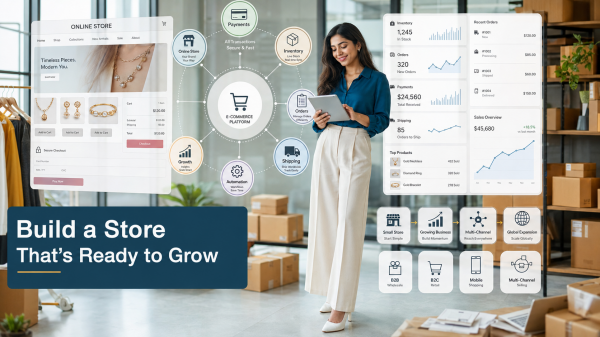
Manual order handling wastes time and increases errors. With an eCommerce platform, exporters can manage bulk orders, credit limits, and order status from one dashboard.
Shopaccino Advantage: Exporters can unify both B2B and retail orders, automate invoices, and track fulfillment globally — saving hours of manual coordination.
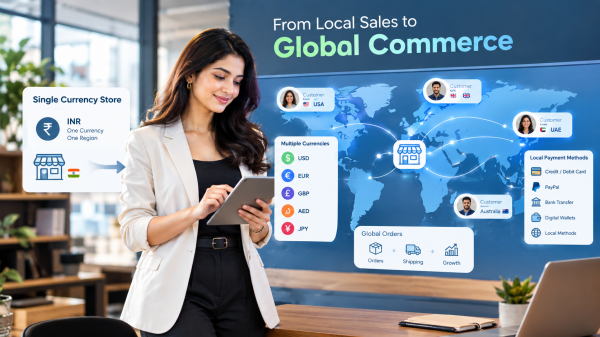
Simplify Multi-Currency Payments
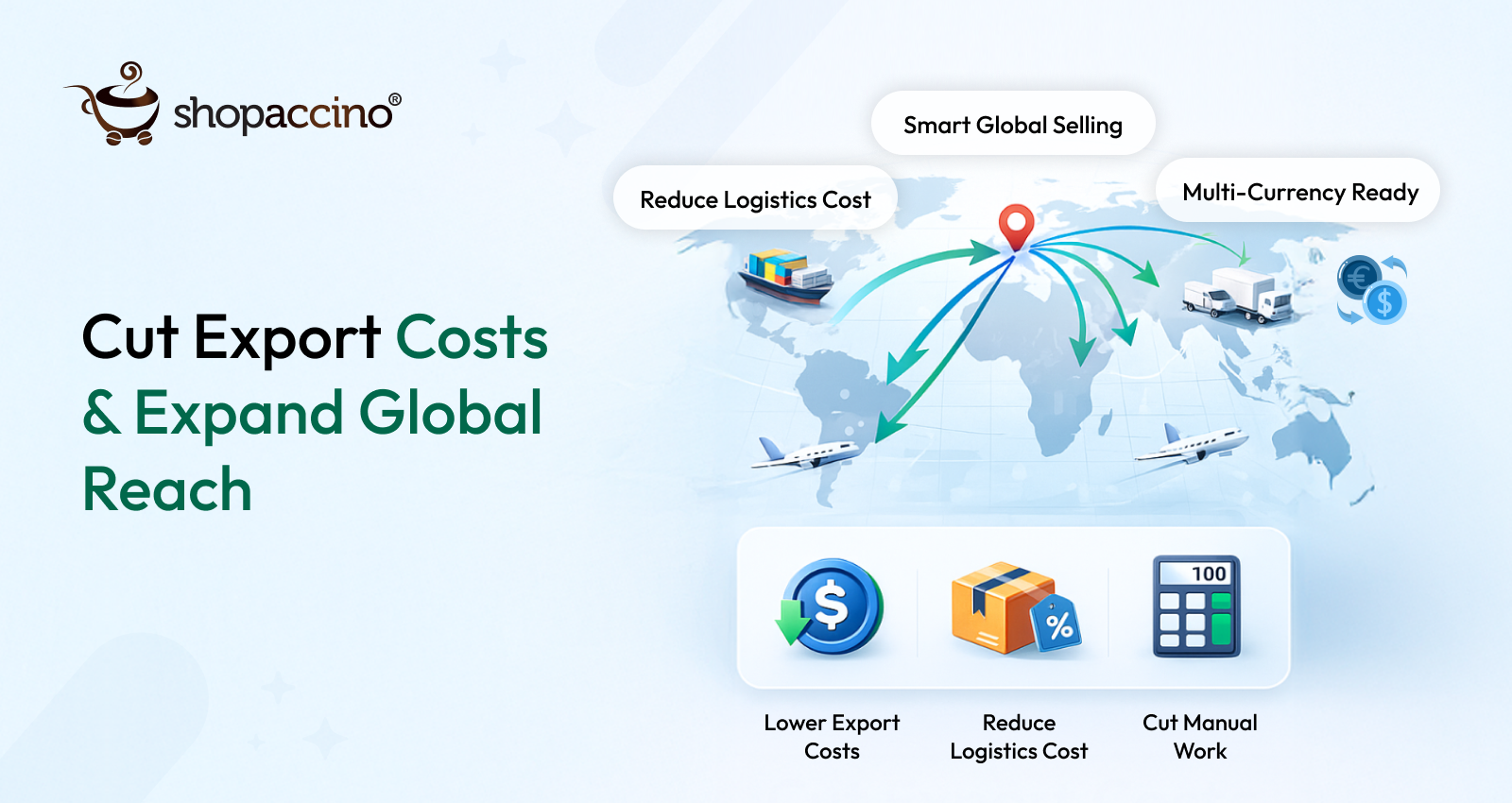
Handling payments in different currencies often leads to hidden fees and confusion. Shopaccino allows exporters to accept multi-currency payments through trusted gateways like PayPal and Razorpay, ensuring faster settlements and transparent exchange rates.
Result: Lower transaction costs and smoother global buyer experience.
Centralize Logistics & Duties Management
Cross-border logistics is complex — with duties, taxes, and shipping varying by country. Shopaccino integrates global shipping carriers and tax automation, letting exporters charge import duties upfront and avoid unexpected costs for buyers.
Result: Predictable pricing, fewer disputes, and smoother customs clearance.
Expand Reach Through SEO and Global Marketplaces
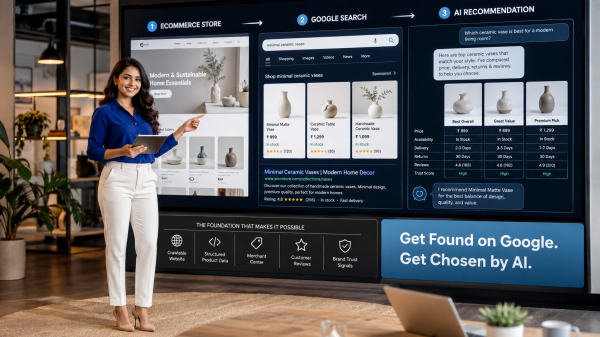
Visibility is crucial. Shopaccino’s built-in SEO tools and integration with Google Shopping globally help exporters showcase their catalog worldwide. Instead of relying only on trade shows or local distributors, exporters gain 24/7 digital visibility.
Result: Organic reach to global buyers without large marketing spends.
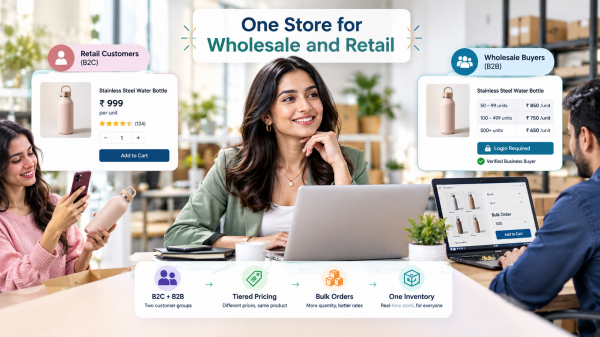
Consolidate B2B and B2C Sales on One Platform
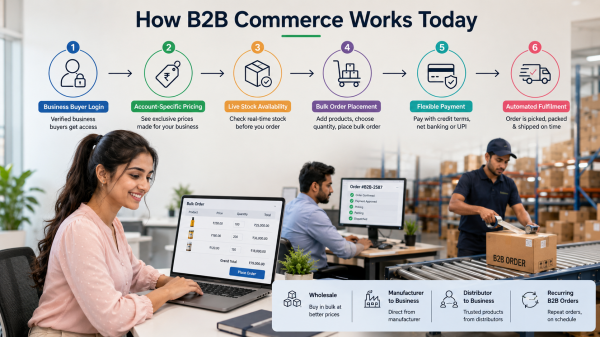
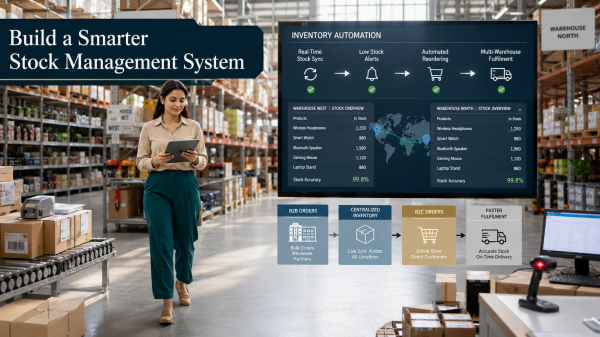
Many exporters sell to both businesses (bulk orders) and retail customers (small orders). Managing these separately increases cost and confusion. Shopaccino lets exporters run both B2B and B2C operations from a single eCommerce dashboard, with custom pricing, bulk discounts, and warehouse management.
Result: Lower operational cost, unified stock visibility, and better control over pricing tiers.
How to Implement — Step-by-Step Digital Transformation Plan
Transitioning from traditional export operations to digital doesn’t have to be difficult. Here’s a simple path:
- Evaluate your current export workflow: Identify where delays, manual errors, or costs occur (pricing, order management, or logistics).
- Set up your online export store: Create a branded eCommerce site with Shopaccino. Upload your product catalog with pricing rules, bulk order settings, and country-specific currencies.
- Integrate payment and logistics tools: Enable multi-currency payments, link shipping partners, and automate tax/duty calculation.
- Train your team: Help your export sales team use the system — from quoting and invoicing to tracking orders.
- Launch and market globally: Use SEO, Google Shopping, and email automation to reach buyers worldwide.
- Monitor and optimize: Track which regions and SKUs perform best and optimize marketing and logistics for those zones.
Within weeks, exporters can shift from a manual to a fully digital export workflow — cutting costs while reaching new buyers.
Benefits
✅ Lower operational costs — Automation reduces staff time, paperwork, and manual coordination.
✅ Global reach — Access new markets via Google Shopping and SEO tools.
✅ Better buyer relationships — Transparent pricing, fast communication, and reliable delivery build trust.
✅ Streamlined logistics — Integrated duties, tax, and shipping tools simplify cross-border trade.
✅ Unified business model — Manage wholesale and retail export sales under one digital roof.
✅ Scalable growth — Add more products, regions, and currencies as your business grows.
✅ Data-driven decisions — Use reports to track regional performance and buyer behavior.
Conclusion
Global trade has gone digital — and exporters who adapt will win. Managing international buyers, multi-currency transactions, and shipping complexities used to mean high costs and limited control. Now, with the right eCommerce platform for exporters, you can cut overheads, automate operations, and sell directly to buyers worldwide.
Shopaccino enables exporters to unify B2B and B2C selling, simplify logistics, and manage everything — from order to payment — from one platform. It’s not about replacing traditional trade; it’s about supercharging it with digital efficiency.
The future of exporting is connected, transparent, and borderless — and with the right tools, you can make it profitable too.
FAQs
By automating operations like invoicing, order tracking, and payments, exporters reduce manual work and middlemen, directly improving margins.
Exporters can accept multi-currency payments via gateways like PayPal or Stripe, enabling global trade without complex financial setups.
Yes, Shopaccino supports both B2B and B2C models with custom pricing, bulk orders, and integrated inventory control.
You can set up import duty charges upfront, calculate taxes automatically, and link with international shipping for smoother customs handling.
Not at all. Shopaccino is a no-code platform — exporters can launch a professional store quickly without developers.
Yes, with SEO tools and Google Shopping integration, your export catalog becomes visible to global buyers searching online.
The platform uses secure payment gateways and SSL encryption to ensure safe global transactions.