How an E-commerce Mobile App Builder Helps Brands Launch Shopping Apps Faster
The ecommerce industry is growing rapidly, and customers today expect faster, smoother, and more convenient shopping experiences. While websites remain important, many successful online brands are now investing in mobile apps to improve customer engagement and increase repeat purchases.
However, building a shopping app from scratch can take months of development, large budgets, and technical expertise. For many businesses, this process becomes complicated and expensive.
This is where an e-commerce mobile app builder plays a major role.
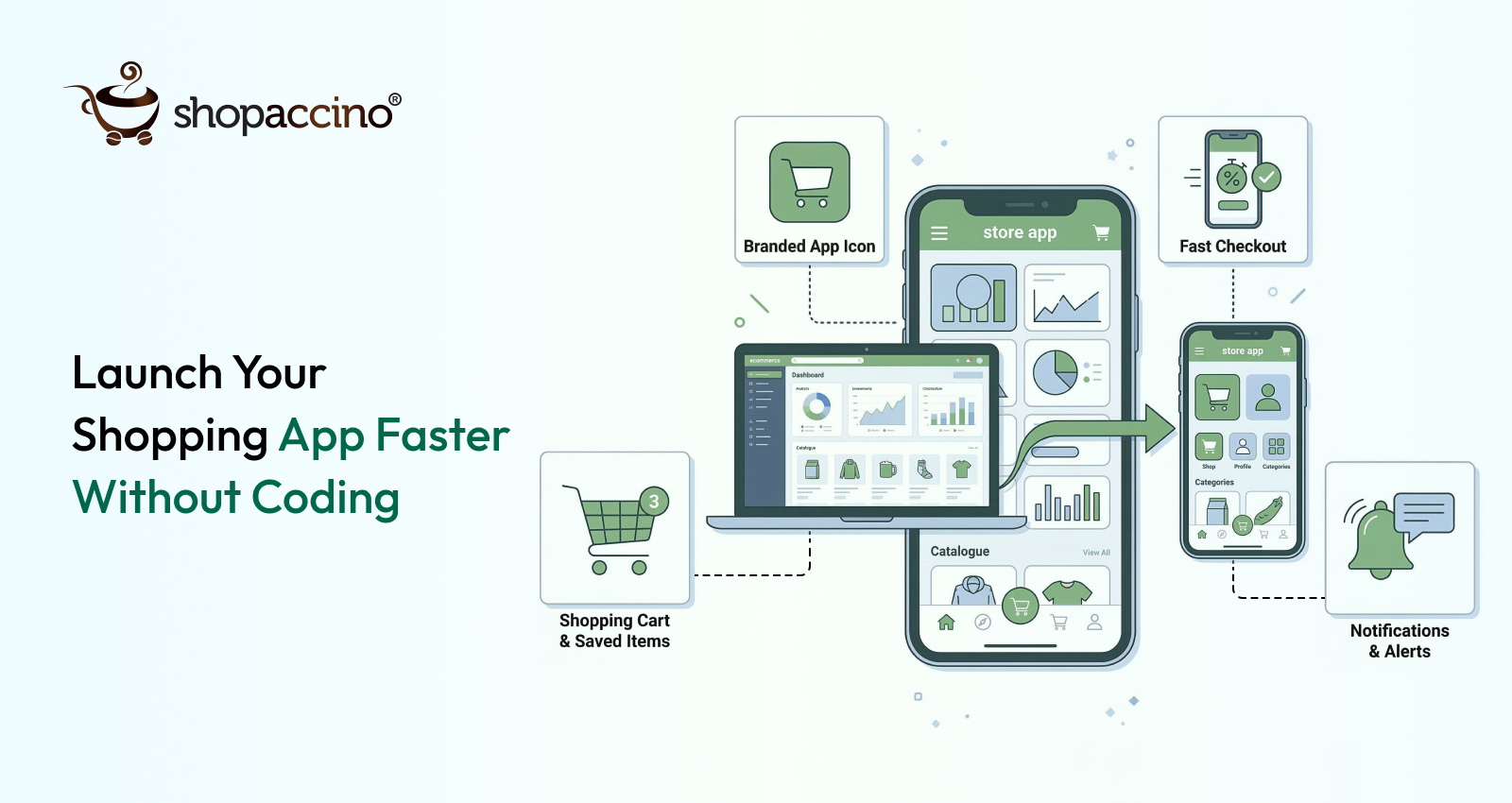
Instead of building an app through long development cycles, businesses can use modern app-building platforms to launch their own shopping apps quickly and efficiently. These tools help ecommerce brands create professional mobile applications without requiring complex coding or large technical teams.
For growing businesses, this approach reduces time to market and allows them to focus more on customers, products, and marketing.
In this article, we will explore how mobile app builders help ecommerce brands launch apps faster, why they are becoming important for online businesses, and how they support long-term growth.
Why Mobile Apps Are Becoming Essential for E-commerce Brands
Over the last few years, shopping behavior has changed significantly. Most online shoppers now browse products, compare prices, and complete purchases directly from their smartphones.
This shift has created a new opportunity for ecommerce businesses.
Instead of relying only on websites, brands are creating mobile apps that offer a more personalized and convenient shopping experience.
Mobile apps help businesses in several ways:
- Faster shopping experience
- Better customer engagement
- Personalized product recommendations
- Push notifications for offers
- Higher repeat purchases
Customers also prefer mobile apps because they are easier to use and provide quicker access to products.
Read Also : Sell Globally with Multi-Currency Checkout
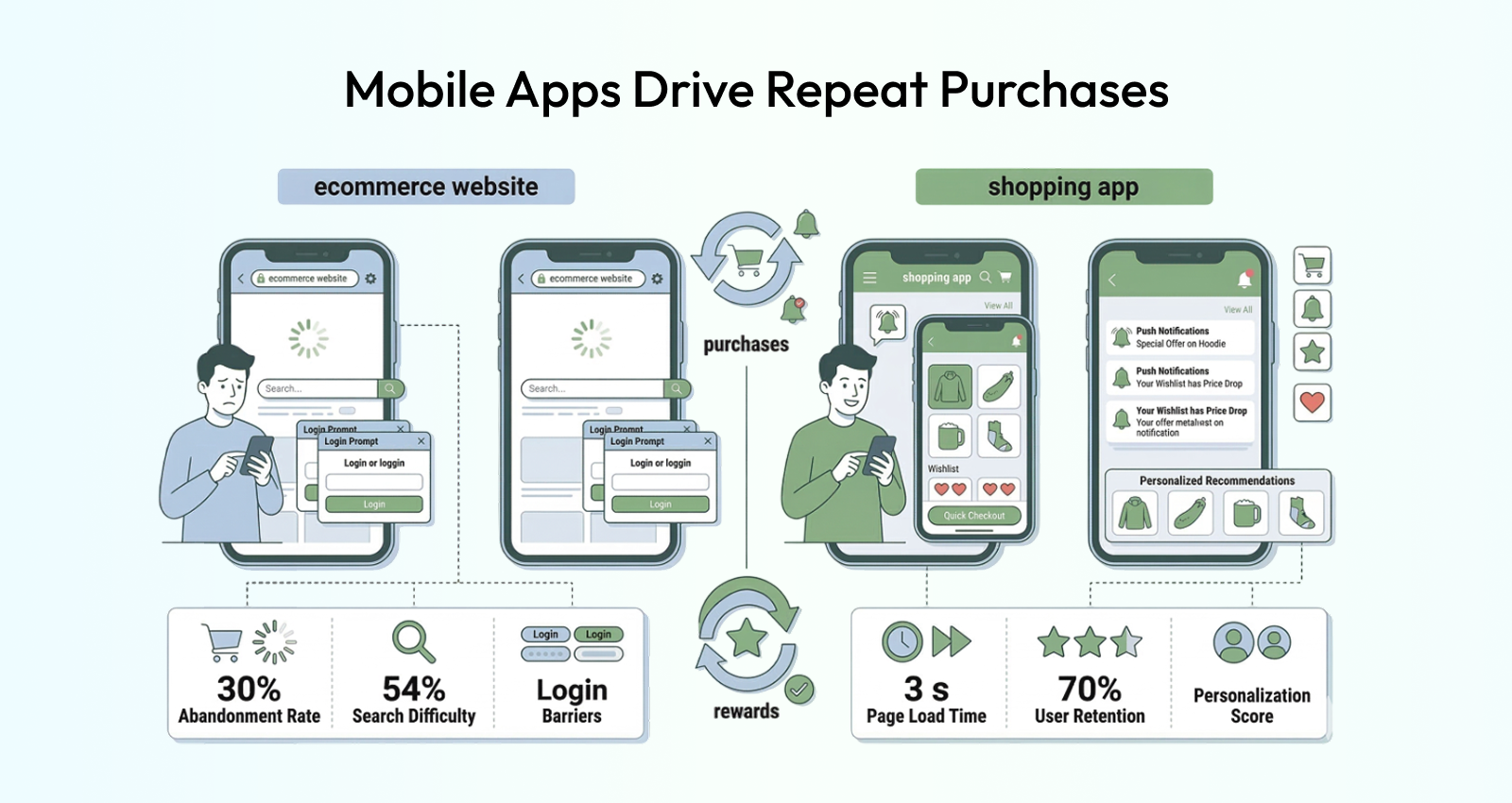
The difference between mobile website shopping and mobile app shopping can be understood through the following comparison.
|
Shopping Method |
Customer Experience |
|
Mobile Website |
Requires browser search and repeated logins |
|
Mobile App |
Instant access, faster browsing, personalized experience |
Because of these benefits, many growing brands are looking for faster ways to launch their own ecommerce apps.
The Traditional Way of Building Ecommerce Mobile Apps
Before modern app builders became popular, businesses had only one option: developing mobile apps from scratch.
This process usually required multiple technical steps.
Typical Steps in Traditional App Development
- Planning the app structure
- Hiring mobile developers
- Designing the user interface
- Coding the application
- Testing the app for bugs
- Publishing it on app stores
While this approach can work for large enterprises, it creates several challenges for small and medium ecommerce businesses.
Common Challenges Businesses Face
Businesses often struggle with issues such as:
- High development costs
- Long development timelines
- Technical complexity
- Continuous maintenance requirements
For example, a custom mobile app project can take 4 to 8 months to complete depending on features and integrations.
This delay can slow down business growth and reduce opportunities in a competitive market.
Read Also : Sell Jewelry to Retailers & Wholesalers Online
How Modern App Builders Simplify the Process
To solve these challenges, ecommerce technology platforms introduced mobile app builders that simplify the entire process.
Instead of developing an app from the ground up, businesses can now generate their mobile apps directly from their ecommerce store.
This means that the app automatically syncs with the existing store's products, inventory, and customer data.
Using an Ecommerce Mobile App Builder, businesses can create professional mobile apps much faster compared to traditional development.
How the Process Works
Most app builders follow a simple workflow:
1. Connect your ecommerce store
2. Customize the app design
3. Configure app features
4. Test the application
5. Publish it on Android and iOS app stores
This simplified process allows businesses to launch their shopping apps in weeks instead of months.
Read Also : Build Powerful Grocery Shopping Apps
Key Benefits of Using an App Builder for Ecommerce Businesses
Mobile app builders provide several advantages that make them attractive for growing online brands.
Faster App Launch
One of the biggest benefits is speed. Businesses can launch their apps much faster compared to traditional development.
Lower Development Cost
Since businesses do not need large development teams, overall costs become much lower.
Easy Store Integration
The app connects directly with the ecommerce store, so products, categories, and inventory stay updated automatically.
Better Customer Engagement
Mobile apps allow brands to communicate with customers using push notifications, personalized offers, and loyalty rewards.
Simple Management
Most platforms provide dashboards where businesses can manage products, orders, and app settings easily.
These advantages make mobile app builders a powerful tool for ecommerce brands that want to grow quickly.
Read Also : Why Visitors Don’t Become Buyers
Why Speed Matters in Ecommerce Growth
In the competitive ecommerce market, timing plays a very important role.
Businesses that adopt new technologies quickly often gain a competitive advantage.
Launching a mobile shopping app early allows brands to:
- Strengthen customer relationships
- Increase repeat purchases
- Improve brand loyalty
- Stay ahead of competitors
For growing ecommerce businesses, faster app launch means faster opportunity to scale.
Instead of waiting months for development, brands can focus on marketing, customer experience, and sales growth.
What Businesses Should Look for in a Mobile App Solution
Before choosing an app builder, businesses should evaluate certain important factors.
A good solution should offer features such as:
- Easy store integration
- Customizable app design
- Push notification capability
- Secure payment options
- Order and customer management
- Performance analytics
These features help businesses manage their apps effectively and deliver a better shopping experience to customers.
How Mobile Shopping Apps Improve Customer Engagement
One of the biggest advantages of having an ecommerce mobile app is stronger customer engagement. Mobile apps create a more direct and personal connection between the brand and the customer.
When customers install an ecommerce mobile app, they can easily access the store anytime without opening a browser or searching again. This convenience increases the chances of repeat visits and purchases.
Mobile apps also allow brands to interact with customers in smarter ways. Businesses can send updates, offers, and product recommendations directly to users through notifications.
Here are some ways mobile apps improve engagement:
- Instant access to products and categories
- Personalized recommendations based on user behavior
- Notifications for offers and discounts
- Quick checkout experience
- Easy order tracking
These features help businesses create a shopping environment that feels simple and convenient for customers.
How Push Notifications Help Increase Sales
Push notifications are one of the most powerful features of mobile shopping apps. They allow businesses to communicate with customers instantly.
Instead of waiting for customers to visit the website, brands can send relevant updates directly to the customer's phone.
Push notifications can be used for many purposes, such as:
- Announcing new product launches
- Promoting seasonal offers
- Reminding customers about abandoned carts
- Informing users about flash sales
- Sending personalized recommendations
This direct communication improves customer engagement and encourages users to return to the app.
For example, if a customer browses a product but does not complete the purchase, the brand can send a reminder notification with a special offer. This simple action can significantly improve conversion rates.
Read Also : Weekly Ecommerce Metrics Every Founder Should Track
How Mobile Apps Improve the Overall Shopping Experience
Customer experience plays a major role in ecommerce success. Mobile apps help brands provide a faster and smoother shopping journey compared to traditional web browsing.
Some important improvements include:
Faster navigation
Customers can browse categories and products more quickly inside an app.
Simple checkout process
Saved addresses and payment methods make purchasing easier.
Personalized shopping
Apps can show recommended products based on browsing history.
Order tracking
Customers can track their orders directly from the app.
These improvements reduce friction during the shopping process and make the experience more enjoyable.
A simple comparison helps explain the difference.
|
Feature |
Mobile Website |
Mobile App |
|
Loading Speed |
Moderate |
Faster |
|
Login Requirement |
Frequent login |
Often stays logged in |
|
Notifications |
Not available |
Push notifications |
|
Personalization |
Limited |
Highly personalized |
Because of these benefits, many ecommerce brands are investing in mobile apps to strengthen their customer relationships.
Industry-Specific Mobile App Solutions for Ecommerce
Different industries have unique requirements when it comes to mobile commerce. Modern app builders often provide specialized solutions for different types of businesses.
These solutions help brands design apps that match their industry needs.
For example, a fashion mobile app builder allows clothing brands to create visually appealing apps that showcase products through high-quality images, style collections, and lookbooks. Features like size selection, product filters, and quick browsing improve the shopping experience for fashion customers.
Similarly, a grocery mobile app builder focuses on features that help customers purchase daily essentials quickly. Grocery apps often include fast product search, category navigation, quick reordering options, and delivery scheduling.
These industry-focused solutions help businesses launch apps that match customer expectations within their specific markets.
How Mobile Apps Support Brand Loyalty
Customer loyalty is one of the most important factors in long-term ecommerce success. Mobile apps help businesses strengthen their relationship with customers and encourage repeat purchases.
When customers install a shopping app, the brand becomes part of their daily digital environment. This increases familiarity and trust.
Businesses can build loyalty through several app-based strategies:
- Reward programs for repeat purchases
- Exclusive discounts for app users
- Early access to new products
- Personalized offers based on past purchases
These strategies make customers feel valued and encourage them to continue shopping from the same brand.
Over time, loyal customers often become brand advocates who recommend the store to others.
Read Also : Increase Your Ecommerce Conversion Rate by 30%
Why Many Ecommerce Brands Are Launching Apps Today
The ecommerce market is becoming more competitive every year. Brands are constantly looking for ways to improve customer engagement and stand out from competitors.
Mobile apps provide several advantages that help businesses achieve these goals.
Some key reasons why ecommerce brands are launching mobile apps include:
- Increasing mobile shopping demand
- Improving customer retention
- Creating a stronger brand presence
- Delivering faster shopping experiences
- Supporting long-term ecommerce growth
As mobile commerce continues to grow, businesses that invest in mobile apps early often gain a strong competitive advantage.
How App Builders Reduce Development Time and Cost
Launching a mobile shopping app through traditional development often requires months of planning, coding, testing, and updates. This process can be expensive and slow, especially for growing ecommerce brands that want to move quickly in the market.
Modern app-building platforms solve this challenge by simplifying the development process. Instead of starting from zero, businesses can use ready frameworks that already include essential ecommerce features.
Using an Ecommerce Mobile App Builder, brands can transform their existing online store into a mobile app without complex development work.
This approach reduces both time and cost.
Here is a simple comparison.
|
Development Approach |
Time to Launch |
Cost |
Technical Effort |
|
Traditional App Development |
4–8 months |
High |
Requires developers |
|
App Builder Platform |
Few weeks |
Lower |
Minimal technical effort |
Because of this efficiency, many ecommerce businesses now choose app builders instead of custom development.
Read Also : How AI, AR & Voice are Transforming Online Shopping
Key Features Businesses Should Look for in an App Builder
Not all mobile app solutions offer the same capabilities. When selecting an app builder, businesses should evaluate features that help improve customer experience and simplify store management.
Some important features include:
Easy Store Integration
The app should automatically sync with the ecommerce store’s products, inventory, and customer data.
Customizable Design
Businesses should be able to adjust colors, layouts, banners, and product displays to match their brand identity.
Push Notification System
This feature allows businesses to send offers, product updates, and promotional alerts directly to customers.
Secure Payment Options
Multiple secure payment methods help build trust and make checkout easier for customers.
Order and Customer Management
Businesses should be able to track orders, monitor customer activity, and manage transactions easily.
Analytics and Performance Insights
Data insights help businesses understand customer behavior and improve marketing strategies.
Choosing the right mobile app solution ensures that businesses can manage their app effectively while delivering a smooth shopping experience.
How Mobile Apps Support Long-Term Ecommerce Growth
Mobile apps are not only a technology upgrade; they are also a powerful business growth tool.
When customers install a shopping app, the brand gets a direct communication channel with them. This connection allows businesses to maintain ongoing engagement and improve customer relationships.
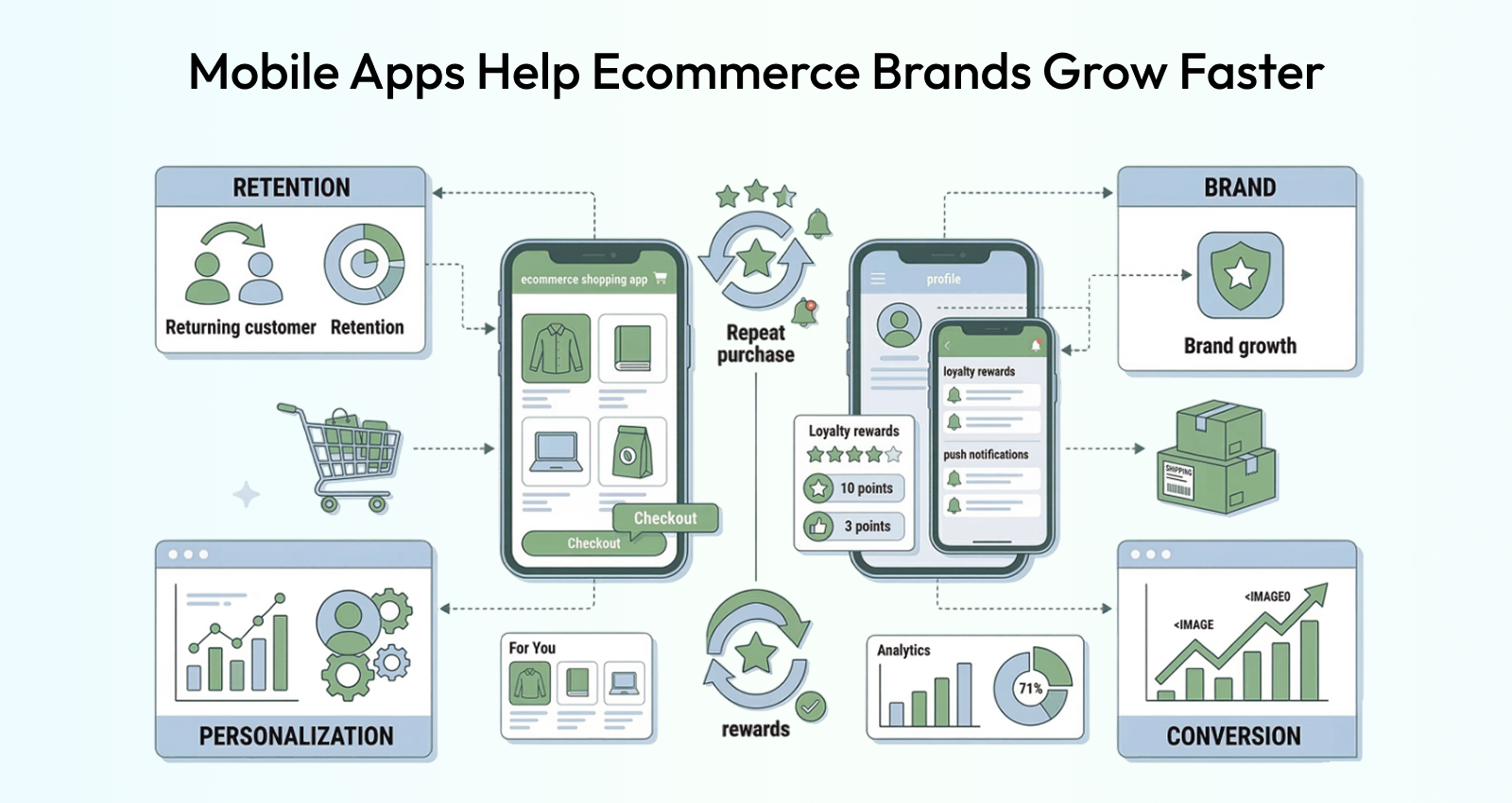
Mobile apps support growth in several ways:
Higher Customer Retention
Customers who use apps tend to return more often compared to website visitors.
Better Personalization
Apps can recommend products based on browsing history and purchase behavior.
Stronger Brand Presence
A brand’s app icon on the customer’s phone increases visibility and familiarity.
Improved Conversion Rates
Mobile apps often provide smoother navigation and faster checkout, which increases completed purchases.
Over time, these benefits help businesses strengthen their customer base and improve overall revenue.
Common Mistakes Brands Should Avoid When Launching a Mobile App
While mobile apps offer many advantages, businesses should plan their strategy carefully.
Some common mistakes include:
Launching an app without understanding customer needs.
Ignoring user experience and app design.
Sending too many promotional notifications, which may annoy customers.
Failing to update the app regularly with improvements and new features.
Not promoting the app through marketing campaigns.
Avoiding these mistakes helps businesses create a more effective mobile shopping experience for customers.
Read Also : When Instagram Stops Scaling Your Business
Key Takeaways for Ecommerce Brands
For ecommerce brands looking to scale their digital presence, launching a mobile shopping app can be a major step forward.
Businesses that adopt mobile technology early often gain advantages in customer engagement and loyalty.
Here are the most important insights:
- Mobile shopping is growing rapidly, and customers prefer convenient app-based experiences.
- App builders simplify the process of launching shopping apps.
- Businesses can reduce development time and costs significantly.
- Mobile apps help improve customer engagement and repeat purchases.
- A well-designed app strengthens long-term ecommerce growth.
By using the right tools and focusing on customer experience, ecommerce brands can successfully expand their digital ecosystem.
Final Thoughts
Mobile commerce is becoming an important part of the ecommerce industry. Customers today expect faster, more convenient, and personalized shopping experiences.
Launching a mobile app allows brands to meet these expectations while building stronger relationships with their customers.
With modern app-building platforms, businesses no longer need long development cycles or large technical teams. Instead, they can focus on improving customer experience, marketing strategies, and business growth.
For brands planning to expand their digital capabilities, investing in mobile technology can be a valuable step toward sustainable ecommerce success.
FAQs
An Ecommerce Mobile App Builder is a platform that allows online businesses to create their own shopping apps without complex coding. It connects directly with the ecommerce store and automatically syncs products, categories, orders, and customer data. Businesses can customize the design, enable notifications, and publish their apps faster on Android and iOS app stores
Mobile apps provide a faster and more personalized shopping experience compared to websites. Customers can easily browse products, receive notifications about offers, and complete purchases quickly. For businesses, mobile apps improve customer engagement, increase repeat purchases, and help build stronger brand loyalty in the competitive ecommerce market.
Mobile apps help increase sales by providing quick product access, personalized recommendations, and push notifications for offers or discounts. Customers can shop faster and return to the store easily through the app. These advantages encourage repeat purchases and improve overall customer retention for ecommerce brands.
Businesses should choose an app builder that offers easy store integration, customizable design, push notification support, secure payment options, and order management tools. Analytics and customer insights are also important features because they help businesses understand shopping behavior and improve marketing strategies over time.
A Fashion mobile app builder helps clothing and apparel brands create visually appealing apps where customers can explore collections, view product images, check sizes, and make purchases easily. Fashion apps also support promotions, seasonal collections, and personalized recommendations, which improves engagement and encourages repeat shopping.
A grocery mobile app builder helps grocery stores launch apps that allow customers to quickly order daily essentials. Features such as fast product search, category navigation, saved shopping lists, and delivery scheduling make grocery shopping more convenient. This improves customer satisfaction and increases repeat orders.
Launching a mobile app through traditional development can be expensive and time-consuming. However, using modern app-building platforms reduces development costs and shortens launch time. Businesses can create and publish their apps much faster without hiring large development teams, making mobile apps more accessible for growing ecommerce brands.