How the Right Online Retail Website Builder Can Help You Scale Your Ecommerce Business
The ecommerce industry has grown rapidly over the past few years. Businesses of all sizes are moving online to reach more customers and expand their sales opportunities. Whether it is a small local store or a growing brand, having a strong online presence has become essential.
However, launching an ecommerce website is only the first step. The real challenge is building a platform that can support business growth, handle increasing orders, and provide a smooth shopping experience for customers.
This is where choosing the right Online Retail Website Builder becomes extremely important.
A reliable website builder helps businesses create professional ecommerce stores without complicated technical development. It provides tools for product management, payment processing, order handling, and customer engagement.
Instead of dealing with complex coding or technical infrastructure, businesses can focus on selling products, improving customer experience, and growing their brand.
In this article, we will explore how the right website builder can help businesses scale their ecommerce operations and manage online stores more efficiently.
Why Ecommerce Businesses Need the Right Technology Foundation
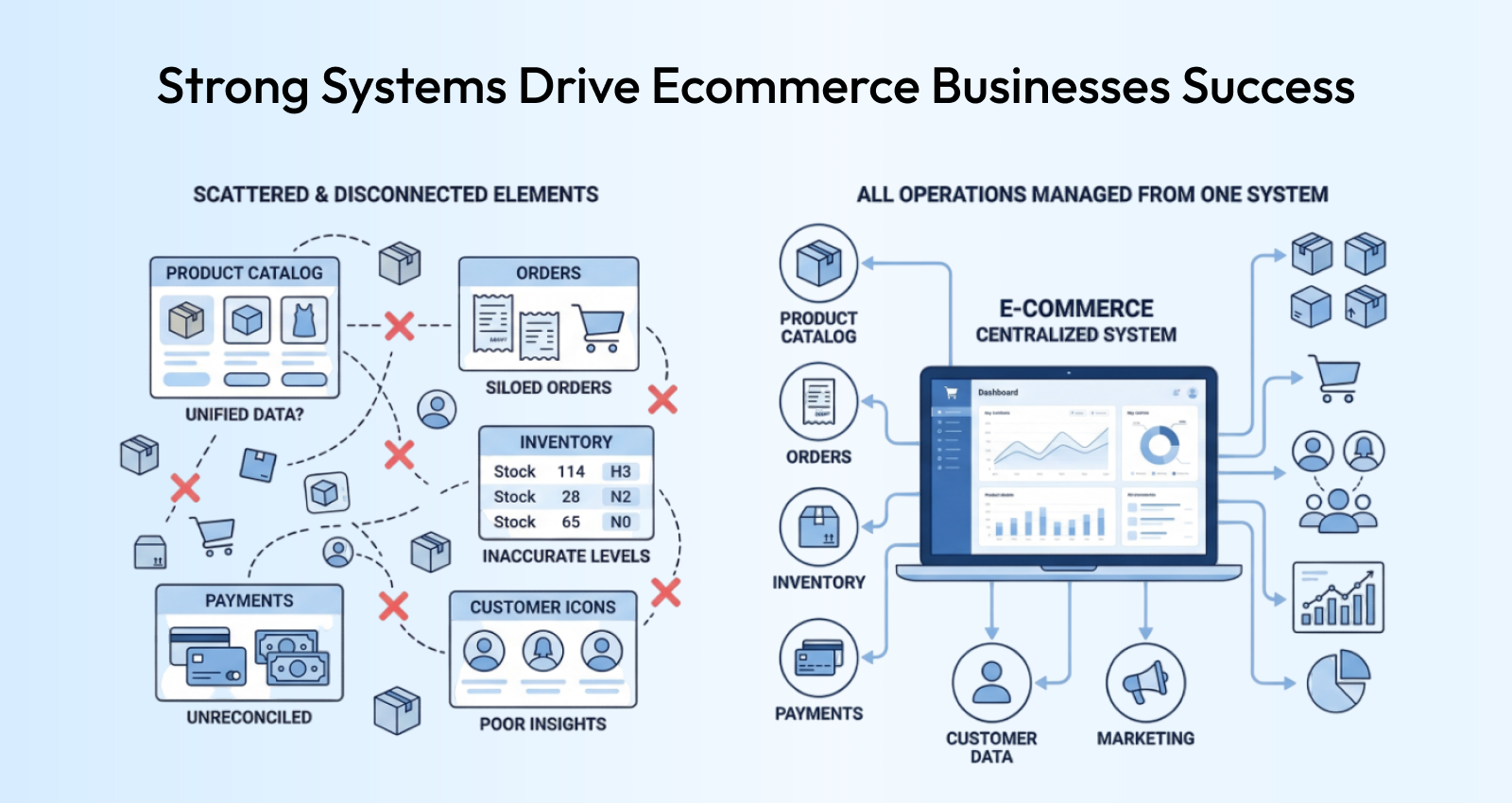
Running an ecommerce business involves many moving parts. Businesses must manage product listings, inventory updates, order processing, payments, and customer communication simultaneously.
When these processes are handled manually or through disconnected tools, operations become difficult to manage.
A strong ecommerce platform provides a centralized system where all these activities can be managed efficiently.
Some of the most important tasks that ecommerce businesses must handle include:
- managing product catalogs
- processing customer orders
- updating inventory levels
- handling shipping and delivery coordination
- managing customer inquiries and support
Without the right technology infrastructure, these tasks can quickly become overwhelming as the business grows.
This is why many businesses choose specialized ecommerce platforms to build and manage their online stores.
The Role of a Website Builder in Ecommerce Growth
A website builder is a platform that allows businesses to create and manage their ecommerce store without requiring advanced technical knowledge.
Modern website builders provide tools that simplify store creation and day-to-day operations.
These platforms allow businesses to:
- design their online storefront
- upload and manage products
- process customer orders
- accept secure online payments
- track business performance
Instead of investing heavily in custom development, businesses can launch their online store faster and start selling sooner.
The right platform also provides scalability, which means the website can handle growing traffic and increasing product catalogs as the business expands.
Key Challenges Ecommerce Businesses Face When Scaling
As ecommerce businesses grow, they often encounter operational challenges that can slow down their progress.
Some of the most common scaling challenges include:
Managing Large Product Catalogs
When businesses expand their product range, organizing product listings and categories becomes more complex.
Handling Increasing Order Volumes
As sales grow, businesses must process more orders while maintaining accuracy and delivery efficiency.
Maintaining Website Performance
A slow or unstable website can negatively affect customer experience and reduce conversion rates.
Providing Consistent Customer Experience
Customers expect fast navigation, simple checkout processes, and reliable order tracking.
A strong ecommerce platform helps businesses address these challenges by providing tools that support efficient operations and customer engagement.
How a Website Builder Simplifies Online Store Creation
Creating an ecommerce website from scratch can require significant technical expertise. Businesses may need developers, designers, and system administrators to build and maintain the platform.
A website builder simplifies this process by offering ready-to-use templates and built-in ecommerce tools.
Businesses can quickly design their store by selecting themes, customizing layouts, and adding products through simple dashboards.
The following comparison highlights the difference between custom development and using a website builder.
|
Website Creation Approach |
Development Effort |
Time to Launch |
Technical Complexity |
|
Custom Website Development |
High |
Several months |
Requires developers |
|
Website Builder Platform |
Low |
Few days or weeks |
Minimal technical knowledge |
This flexibility allows businesses to focus more on marketing and product strategy instead of technical development.
Essential Components of a Scalable Ecommerce Website
To support long-term growth, an ecommerce website must include several important components.
Product Management System
Businesses should be able to easily upload products, update pricing, and manage inventory from a centralized dashboard.
Secure Payment Processing
Customers must be able to complete transactions safely through reliable payment gateways.
Order Management System
The platform should allow businesses to track orders, update order status, and coordinate shipping.
Mobile-Friendly Design
Many customers shop using mobile devices, so the website must provide a smooth mobile shopping experience.
Performance and Speed Optimization
A fast website improves customer experience and helps increase conversion rates.
These components ensure that the ecommerce store can handle increasing customer demand while maintaining operational efficiency.
Why Choosing the Right Website Builder Matters
Not all website builders offer the same capabilities. Some platforms are designed only for basic websites and may not support advanced ecommerce features.
Businesses that plan to scale their operations should choose platforms that provide robust ecommerce tools and reliable performance.
Important factors to consider when selecting a platform include:
- ease of store setup
- product management capabilities
- payment gateway integrations
- scalability and performance
- marketing and analytics tools
Choosing the right platform helps businesses avoid technical limitations and focus on growing their ecommerce operations.Essential Features Every Ecommerce Website Builder Should Offer
When businesses plan to launch an online store, the platform they choose will directly affect how easily they can manage operations and grow their business.
A reliable online store maker should not only help businesses create a website but also provide tools that simplify product management, order handling, and customer engagement.
The goal of a good ecommerce platform is to make the process of running an online store efficient and scalable.
Some essential features that every ecommerce website builder should provide include the following.
Easy Store Setup and Customization
One of the biggest advantages of using a website builder is the ability to launch an ecommerce store quickly. Instead of hiring developers or building the platform from scratch, businesses can use ready-made templates and design tools.
These platforms usually provide:
- professionally designed templates
- drag-and-drop customization tools
- easy logo and branding integration
- simple store configuration settings
This allows entrepreneurs to launch their store in a short time while still maintaining a professional appearance.
Product Catalog Management
Managing products efficiently is one of the most important tasks for any ecommerce business. As the number of products increases, organizing them properly becomes critical.
A strong ecommerce platform should allow businesses to:
- add product images and descriptions easily
- organize products into categories and subcategories
- manage product variants such as size or color
- update pricing and availability quickly
A well-organized product catalog helps customers find what they are looking for faster, which improves the overall shopping experience.
Secure Payment Integration
A successful ecommerce store must provide customers with safe and convenient payment options.
Customers often prefer platforms that support multiple payment methods. A good ecommerce builder should support:
- credit and debit card payments
- digital wallets
- online banking options
- secure payment gateway integration
Providing flexible payment options helps improve conversion rates and customer satisfaction.
Tools That Help Businesses Create Online Stores Without Technical Complexity
Launching an ecommerce website used to require significant technical expertise. Businesses needed developers to build the website, integrate payment systems, and manage the backend infrastructure.
Today, modern platforms allow entrepreneurs to create online shop experiences without advanced technical skills.
These platforms provide simplified tools that help businesses build their online store step by step.
For example, store creation usually involves:
- Choosing a website template
- Adding business branding elements
- Uploading product information
- Configuring payment and shipping settings
- Publishing the online store
Because these steps are simplified, businesses can focus more on their products and customers instead of worrying about technical development.
This ease of use has made ecommerce accessible even for small businesses and first-time entrepreneurs.
Inventory and Order Management for Growing Businesses
As an ecommerce business grows, managing inventory and customer orders becomes more complex. Without proper systems, businesses may struggle with stock tracking, delayed shipments, or order errors.
A good ecommerce platform provides built-in tools that help businesses manage these operations efficiently.
Important inventory and order management features include:
Real-Time Inventory Tracking
Whenever a product is purchased, the system should automatically update the available inventory. This helps prevent overselling and keeps product availability accurate.
Centralized Order Dashboard
Businesses should be able to view all incoming orders in one place. This dashboard helps teams monitor order status, process shipments, and handle customer inquiries.
Automated Order Notifications
Customers appreciate receiving updates about their purchases. Automated notifications can inform customers about:
- order confirmation
- shipping updates
- delivery status
These updates improve transparency and reduce the need for customer support inquiries.
Designing an Online Store That Customers Enjoy Using
Customer experience plays a major role in ecommerce success. Even if a business sells great products, customers may leave the website if the shopping experience is confusing or slow.
A good online shop website builder focuses on creating websites that are user-friendly and visually appealing.
Several design elements contribute to a positive customer experience.
Simple Navigation
Customers should be able to find products quickly through clear categories and menus.
Fast Website Speed
Slow websites can frustrate customers and increase bounce rates. A fast-loading website improves engagement and increases the chances of completing purchases.
Mobile-Friendly Design
Many customers shop using smartphones. A responsive design ensures the website works smoothly on mobile devices.
Streamlined Checkout Process
Customers prefer a simple checkout process with minimal steps. Complicated checkout systems often lead to abandoned carts.
Improving these aspects of website design helps businesses convert visitors into paying customers.
Marketing Tools That Help Ecommerce Businesses Grow
Beyond basic store creation, ecommerce platforms also provide marketing tools that help businesses attract more customers and increase sales.
These tools allow businesses to promote products and engage with their audience more effectively.
Some common marketing features include:
- discount coupons and promotional campaigns
- email marketing integrations
- product recommendations based on browsing behavior
- loyalty programs for repeat customers
- search engine optimization tools
These capabilities help businesses build long-term customer relationships while driving consistent traffic to their online store.
Marketing tools are especially important for ecommerce growth because they allow businesses to promote their products without relying only on paid advertisements.
Advanced Features That Help Ecommerce Businesses Scale
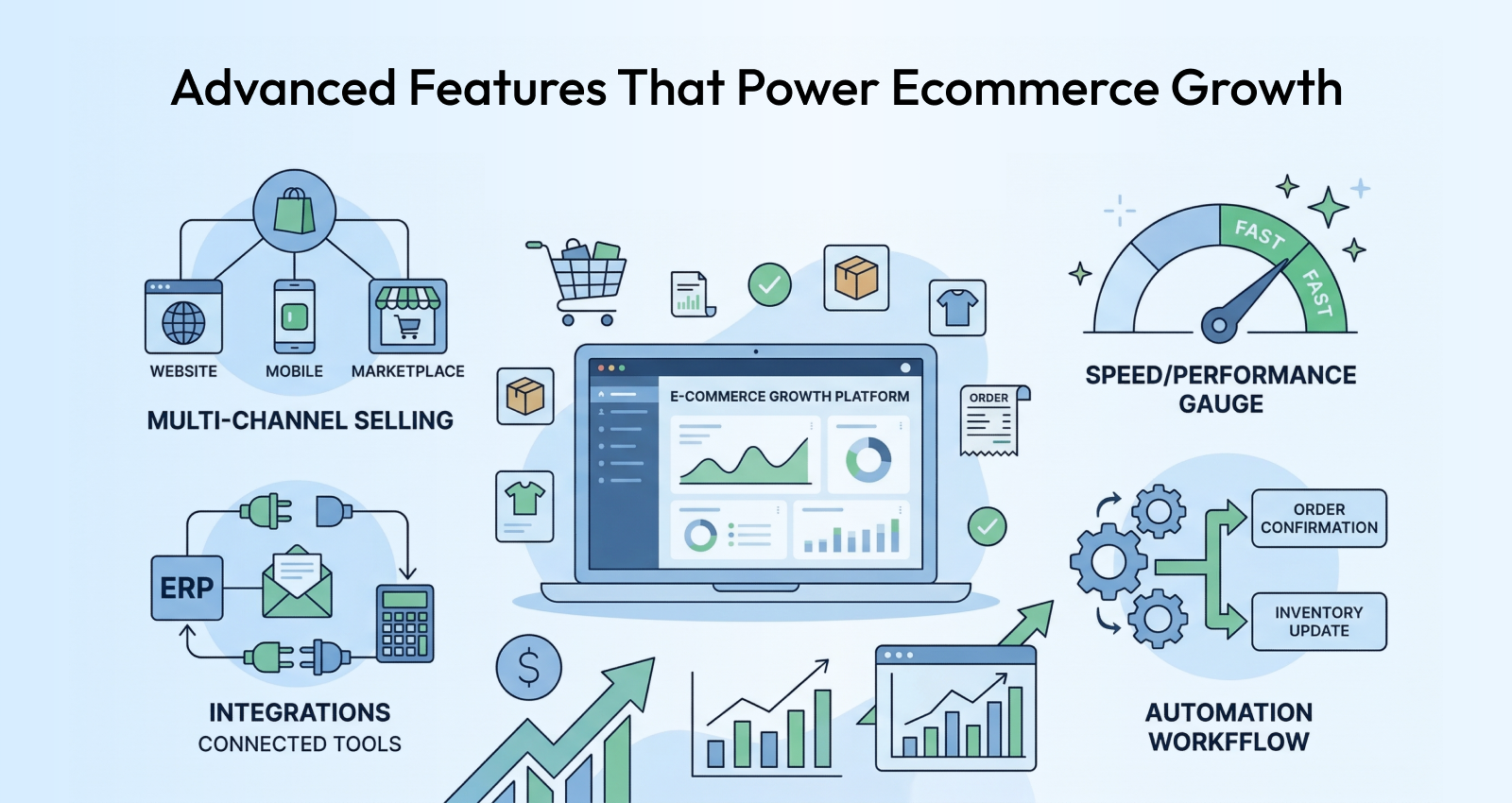
As an ecommerce business grows, its website must be able to handle increasing traffic, larger product catalogs, and higher order volumes. This is why choosing the right platform is important from the beginning.
A strong Online Retail Website Builder should provide advanced capabilities that support business growth while maintaining smooth performance.
Some advanced features that help ecommerce businesses scale include the following.
Scalability and Performance
As more customers visit the website and more products are added to the catalog, the platform must continue to perform efficiently.
A scalable ecommerce platform ensures that the website remains fast and stable even during high traffic periods such as promotional campaigns or seasonal sales.
This stability helps maintain a smooth shopping experience for customers.
Multi-Channel Selling
Modern ecommerce businesses often sell products through multiple channels such as websites, marketplaces, and mobile apps.
A good website builder should support integrations that allow businesses to manage products and orders across multiple sales channels from one dashboard.
This capability helps businesses expand their reach while maintaining centralized control over operations.
Integration with Business Tools
Growing businesses often use various tools for marketing, accounting, shipping, and customer management.
A strong ecommerce platform should support integrations with these tools so that data can flow smoothly between different systems.
For example, integrations may include:
- shipping and logistics services
- payment gateways
- marketing automation platforms
- customer relationship management tools
These integrations help businesses streamline their operations and reduce manual work.
Common Mistakes Businesses Make When Choosing a Website Builder
Selecting the wrong ecommerce platform can create long-term challenges for businesses. Many companies focus only on website design without considering the operational and scalability requirements.
Some common mistakes include the following.
Choosing a Platform Without Scalability
Some website builders are designed for small websites and may not support large product catalogs or high traffic volumes. Businesses planning long-term growth should select platforms that can scale easily.
Ignoring Ecommerce Features
A basic website builder may not include essential ecommerce features such as inventory management, order tracking, or payment integration.
Without these tools, managing an online store becomes difficult.
Overlooking Customer Experience
A platform that does not provide mobile optimization, fast loading speed, or simple checkout processes can negatively affect customer satisfaction.
Since user experience plays a major role in online sales, businesses must prioritize platforms that support smooth shopping experiences.
Avoiding these mistakes helps businesses build a strong foundation for ecommerce growth.
How the Right Platform Supports Long-Term Ecommerce Growth
An effective ecommerce platform provides much more than a website. It acts as the foundation of the entire online retail operation.
When businesses choose the right platform, they gain access to tools that support both daily operations and long-term growth strategies.
Some key ways the right platform supports growth include:
Operational Efficiency
Centralized systems help businesses manage products, orders, and customers from one place.
Improved Customer Experience
Fast websites, simple navigation, and secure checkout processes improve customer satisfaction.
Better Marketing Capabilities
Integrated marketing tools help businesses attract new customers and retain existing ones.
Scalable Infrastructure
As sales increase, the platform can support higher traffic and order volumes without performance issues.
These capabilities allow ecommerce businesses to expand confidently while maintaining operational stability.
Key Takeaways for Businesses Building an Online Retail Store
Launching an ecommerce store is only the first step in building a successful online business. Long-term growth depends on choosing the right technology platform and using it effectively.
Important insights for businesses include:
- A strong ecommerce platform simplifies store creation and management.
- Integrated tools help businesses manage products, orders, and payments efficiently.
- Advanced features support business scalability and operational growth.
- A smooth customer experience helps increase conversions and repeat purchases.
- Choosing the right website builder provides a strong foundation for long-term success.
By focusing on these factors, businesses can build online stores that support sustainable growth.
Choosing the Right Platform to Build and Scale Your Online Store
When selecting a platform for building an ecommerce store, businesses should choose a solution that not only helps launch a website quickly but also supports long-term growth.
A reliable ecommerce platform should provide tools for product management, order tracking, payment integration, and customer engagement in one centralized system.
For example, platforms like Shopaccino allow businesses to build professional ecommerce stores using an advanced online retail website builder. With built-in features such as product catalog management, secure payment integrations, order management, and marketing tools, businesses can easily launch and manage their online retail operations.
Instead of managing multiple tools separately, businesses can use a platform like Shopaccino to simplify operations and focus on growing their ecommerce brand.
Such platforms also support scalability, allowing businesses to handle increasing product listings, higher order volumes, and growing customer traffic without technical complications.
By using a reliable ecommerce platform, businesses can create a strong digital foundation that supports both current operations and future expansion.
Final Thoughts
The ecommerce landscape continues to evolve as more businesses move online to reach wider audiences. To succeed in this competitive environment, companies need reliable technology that supports efficient operations and customer engagement.
Choosing the right Online Retail Website Builder helps businesses create professional online stores while providing the tools needed to manage and scale their ecommerce operations.
With the right platform, businesses can focus on improving their products, marketing strategies, and customer relationships while the technology handles the complexities of running an online store.
A well-built ecommerce website becomes more than just a digital storefront—it becomes a powerful engine for long-term business growth.
FAQs
An Online Retail Website Builder is a platform that allows businesses to create and manage ecommerce websites without advanced coding knowledge. It provides tools for designing store layouts, uploading products, managing orders, and accepting payments. These platforms help businesses launch online stores quickly and operate their ecommerce activities from one centralized system.
An online store maker simplifies the process of launching an ecommerce website. It provides ready-to-use templates, product management tools, and payment integrations that allow businesses to set up their store quickly. Instead of building a website from scratch, businesses can focus on listing products, managing customers, and promoting their online store.
Modern ecommerce platforms allow businesses to create online shop websites using simple visual tools and customizable templates. These platforms remove the need for coding or complex development. Entrepreneurs can design their store, add products, configure payments, and launch their website using step-by-step setup tools.
A good online shop website builder should provide essential ecommerce tools such as product catalog management, secure payment gateways, order tracking, mobile-friendly design, and marketing integrations. It should also support inventory management and analytics so businesses can monitor sales performance and improve their store operations.
Selecting the right ecommerce platform ensures that businesses can manage their store efficiently and support future growth. A strong platform provides reliable performance, secure payment processing, and scalable infrastructure. This helps businesses handle increasing customer traffic, larger product catalogs, and growing order volumes.
A reliable ecommerce website builder supports growth by providing automation tools for product management, order processing, and customer engagement. Businesses can manage inventory, track orders, and run marketing campaigns from a single dashboard. These capabilities make it easier to expand product offerings and reach more customers.
Yes, small businesses can benefit greatly from website builders because they reduce the cost and complexity of launching an online store. Entrepreneurs can build professional ecommerce websites quickly without hiring developers. This allows small businesses to compete with larger brands in the online marketplace.
Ecommerce platforms like Shopaccino provide integrated tools that help businesses build and manage online retail websites. These platforms offer product management, order processing, payment integration, and marketing features in one system. This makes it easier for businesses to launch and scale their ecommerce stores efficiently.