Start Selling Electronics Online With Your Own Ecommerce Website and Grow Faster
The electronics industry has rapidly shifted toward online platforms, and this change has created a massive opportunity for new businesses. Today, customers prefer browsing, comparing, and purchasing electronics online rather than visiting physical stores.
If you want to start selling electronics online, you are entering a market that is already growing and still expanding. From mobile accessories and gadgets to home electronics and computer components, demand is consistently high.
However, selling electronics online is not just about listing products. Customers in this category are highly informed. They compare features, prices, reviews, and seller credibility before making a purchase. This means your success depends on how well you present your products, build trust, and position your brand.
In this guide, you will learn how to build a strong foundation for your online electronics business and prepare it for long-term growth.
How to Sell Electronics Online (Complete Beginner-Friendly Process)
To sell electronics online successfully, you need to choose a specific product category, source reliable products with warranty, create a professional ecommerce website, provide detailed product information, set competitive pricing, and use digital marketing to attract customers.
Selling electronics online becomes much easier when you follow a structured process. Instead of trying to do everything at once, focus on building each part of your business step by step.
The first step is choosing a niche. The electronics market is extremely broad, and trying to sell everything can make your business unfocused. For example, a store that specializes in mobile accessories can build stronger positioning than a general electronics store in the beginning.
Once your niche is clear, sourcing becomes the next critical step. Electronics buyers are very sensitive to quality and reliability. If a product fails or does not match expectations, it directly affects your brand reputation. That is why working with trusted suppliers or authorized distributors is essential.
After sourcing, your focus should shift to building your online store. Your website is not just a place to display products—it is where customers decide whether they trust your business. A slow or poorly designed website can lead to lost sales, even if your products are good.
Product presentation is another major factor. Electronics buyers do not make decisions based on images alone. They want detailed specifications, features, compatibility information, and warranty details. The more clearly you present this information, the easier it becomes for customers to make a decision.
Finally, promotion brings everything together. Without visibility, even the best products will not sell. That is why SEO, social media, and paid ads play an important role in bringing traffic to your store.
If you want to start selling electronics online successfully, you need to focus on clarity, trust, and consistency in every step.
Why Selling Electronics Online is a High-Growth Opportunity
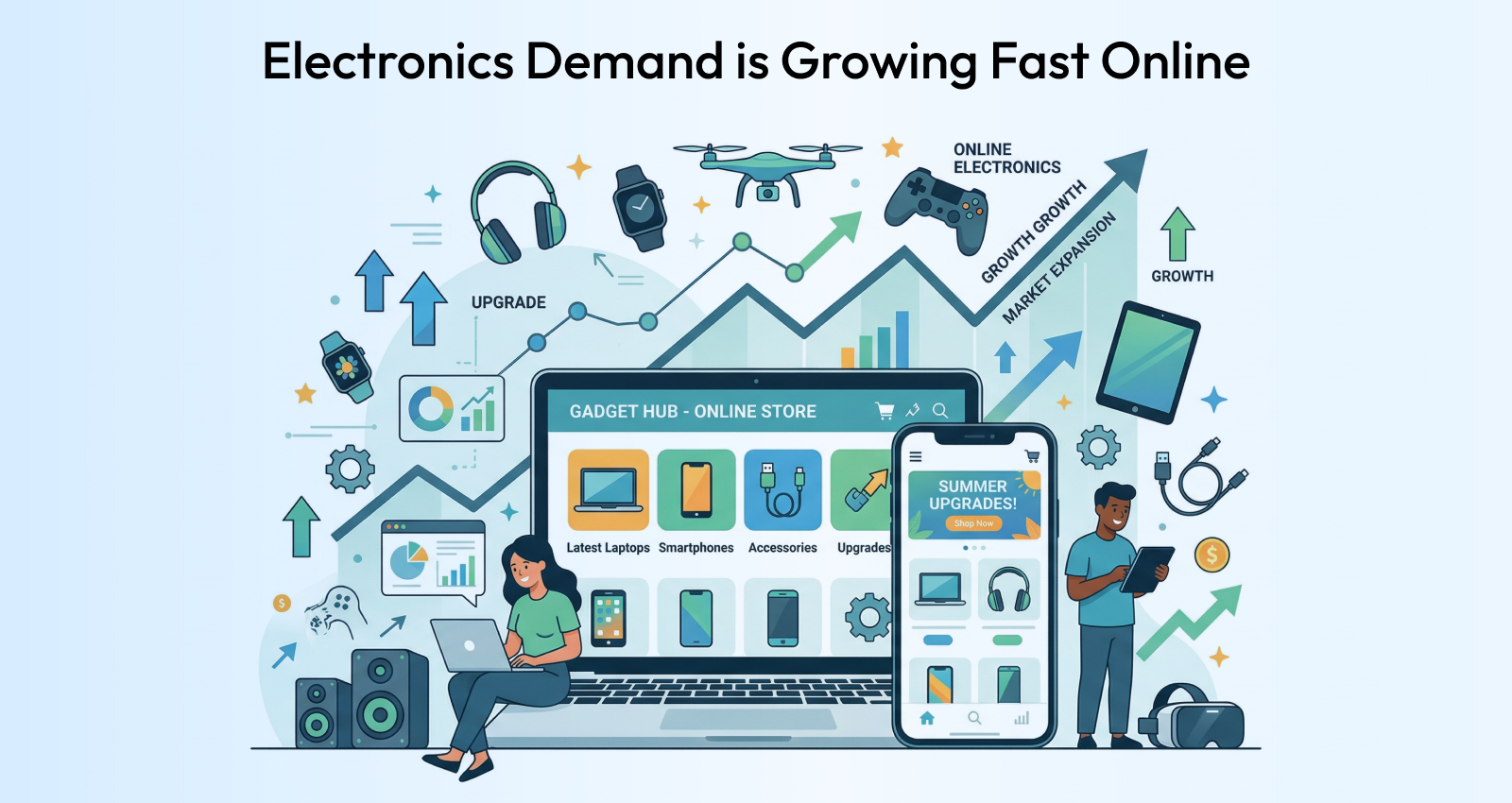
One of the biggest reasons to enter this market is the consistent demand for electronics. Unlike many other categories, electronics products are not one-time purchases. Customers frequently upgrade devices, replace accessories, and explore new technology.
This creates a continuous demand cycle, which is ideal for building a sustainable business.
Another important factor is changing buyer behavior. Today’s customers prefer researching products online before making a purchase. They read specifications, watch videos, compare prices, and check reviews. This shift makes online platforms more powerful than traditional retail stores.
For example, a customer looking for a wireless headset will likely search online, compare multiple options, and then decide. If your product appears during this process, you have a strong chance of making the sale.
This is why businesses that sell electronics online can scale faster compared to offline stores.
Understanding Your Target Customers
To build a successful electronics business, you need to understand who you are selling to.
Different types of buyers have different expectations. A gamer looking for accessories focuses on performance and compatibility, while a general user may focus more on price and ease of use.
Professionals often prioritize reliability and warranty, while students may look for affordable options with good features.
Understanding these differences helps you create better product listings, pricing strategies, and marketing campaigns. Instead of targeting everyone, you can focus on specific customer groups and serve them better.
Building Your Own Ecommerce Website for Electronics Business
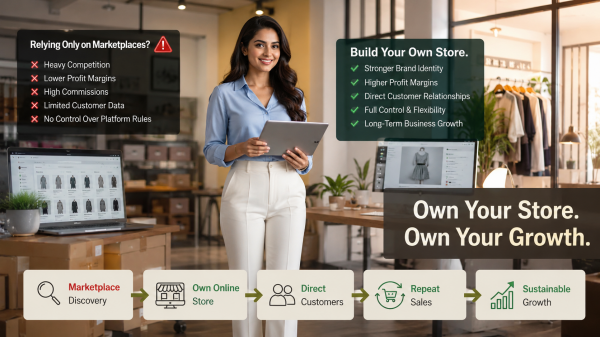
If you are serious about long-term growth, relying only on marketplaces is not enough. Building your own ecommerce website gives you full control over your business.
Your website becomes your brand identity. It allows you to create a professional image, build customer relationships, and increase profit margins without paying high commissions to third-party platforms.
A well-designed website also improves customer trust. When buyers see a clean layout, clear product details, and secure payment options, they feel more confident in making a purchase.
This is especially important in electronics, where trust plays a major role in decision-making.
What Makes a High-Converting Electronics Website
A successful electronics website is not just about design—it is about user experience.
Your website should be fast, easy to navigate, and mobile-friendly. Most users browse through their phones, so mobile optimization is essential.
Product pages should be detailed and clear. Instead of just listing features, explain how the product solves a problem. For example, instead of saying “long battery life,” explain how many hours it lasts and how it benefits the user.
Secure payment options and a smooth checkout process are also critical. If the buying process feels complicated, users may leave without completing the purchase.
Platforms like Shopaccino help simplify this process by providing ready-to-use ecommerce solutions that allow you to focus on selling rather than technical setup.
Pricing Strategy for Electronics: How to Stay Competitive and Profitable
When you start selling electronics online, pricing becomes one of the most decisive factors in whether a customer chooses your product or someone else’s. Unlike many other categories, electronics buyers are highly price-sensitive and often compare multiple options before making a decision.
However, pricing is not just about being the cheapest. If your price is too low, it may raise doubts about product authenticity or quality. On the other hand, if your price is too high without justification, customers will simply move to another seller.
To strike the right balance, you need to understand that electronics pricing is influenced by factors such as brand value, warranty, features, and after-sales support. For example, a product with a longer warranty and trusted brand backing can justify a slightly higher price compared to an unknown alternative.
A practical approach is to position your pricing within the competitive range while clearly highlighting value. When customers see that your product offers better reliability, support, or features, they are more willing to pay a fair price.
Another effective method is offering product variations. For instance, you can provide budget-friendly options for price-sensitive buyers and premium variants for customers who prioritize quality. This allows you to capture a wider audience without losing potential sales.
How to Sell Electronics Online Using SEO and Digital Marketing
To successfully start selling electronics online, you need visibility. No matter how good your products are, they will not sell if customers cannot find them.
Digital marketing plays a critical role in connecting your products with the right audience. Instead of trying every possible strategy, it is better to focus on methods that bring high-intent buyers—people who are already searching for electronics.
Search Engine Optimization (SEO): The Foundation of Long-Term Growth
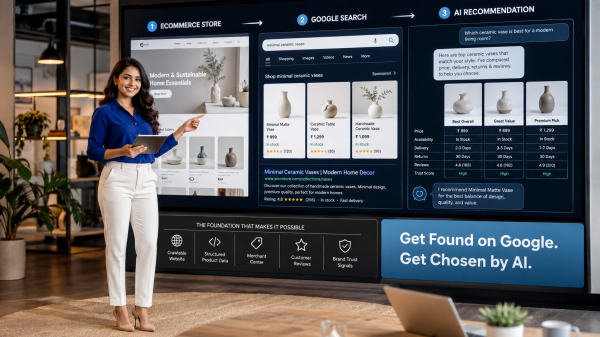
SEO is one of the most powerful ways to grow your electronics business because it brings organic traffic from search engines like Google.
When a user searches for a product such as “best wireless earbuds” or “buy gaming keyboard online,” they already have a strong intention to purchase. If your website appears in these search results, you get access to highly targeted traffic without continuously spending on ads.
To make SEO effective, your product pages must go beyond basic specifications. Instead of simply listing features, explain how the product solves a problem. For example, if you are selling a power bank, you can describe how it supports fast charging and how many times it can charge a device.
Creating helpful content also strengthens your SEO. Guides, comparisons, and educational articles help you rank for multiple keywords and establish your authority in the electronics niche.
Real Execution Example: Turning Searches into Sales
Suppose you are selling wireless earbuds. Instead of just listing the product, you create:
- A product page optimized for “buy wireless earbuds online”
- A guide comparing different types of earbuds
- Detailed descriptions with battery life, sound quality, and features
Now, when users search for these terms, your website has multiple opportunities to appear in search results. This increases your chances of attracting buyers who are already interested in your product.
Social Media: Building Awareness and Trust
Electronics products often benefit from demonstration and visual presentation. Social media platforms allow you to showcase products in a way that builds interest and trust.
For example, a short video demonstrating how a gadget works or highlighting its key features can influence buying decisions more effectively than static images.
Social media also helps you stay connected with your audience. When customers see regular updates, reviews, and product demonstrations, they become more familiar with your brand and more likely to purchase.
Paid Advertising: Accelerating Growth
While SEO takes time, paid advertising can generate immediate results.
Search ads allow you to target users who are actively looking for products. For example, if someone searches for “buy laptop accessories online,” your ad can appear at the top of the results.
Social media ads, on the other hand, help you reach users based on their interests and behavior. This is useful for promoting new products or reaching potential customers who may not be actively searching but are interested in electronics.
Retargeting is another powerful strategy. Many users visit a website but leave without purchasing. Retargeting ads remind them about your products and encourage them to return and complete the purchase.
How to Sell Electronics Online Internationally
To sell electronics online internationally, you need to enable global shipping, support international payment methods, display prices in multiple currencies, ensure product compatibility across regions, and build trust through warranty and clear policies.
Expanding your business globally can significantly increase your customer base, but it requires careful planning.
The first step is logistics. You need reliable shipping partners who can deliver products safely and on time. Delays or damaged items can negatively affect customer satisfaction, especially for international buyers.
Payment options are equally important. Customers prefer familiar and secure payment methods. If your website does not support these, they may hesitate to complete the purchase.
Another important factor is product compatibility. Electronics products may have different standards in different countries, such as voltage or plug types. Clearly mentioning compatibility helps avoid confusion and returns.
Trust becomes even more critical when selling internationally. Buyers rely on product details, warranty information, and customer reviews to make decisions. The more transparent and reliable your store appears, the higher your chances of converting global customers.
Building Trust: The Key to Selling Electronics Online
Trust plays a major role in electronics ecommerce because customers cannot physically inspect products before buying.
To build trust, your product pages must provide complete and accurate information. This includes specifications, warranty details, and clear images. Customers should feel confident that what they see is what they will receive.
Customer reviews also influence buying decisions. Positive feedback from previous buyers reassures new customers and reduces hesitation.
Offering a clear return policy further strengthens trust. When customers know they can return a product if it does not meet expectations, they are more likely to proceed with the purchase.
Conversion Optimization: Turning Visitors into Buyers
Getting traffic to your website is important, but converting that traffic into sales is what determines success.
A high-converting website focuses on user experience. Product pages should answer all possible questions a customer might have. If information is missing, users may leave and look elsewhere.
The checkout process should be simple and smooth. Complicated steps or unexpected costs can lead to cart abandonment.
Small improvements can make a big difference. For example, adding trust badges, simplifying navigation, or improving page speed can significantly increase conversion rates.
Common Challenges in Selling Electronics Online (and How to Overcome Them)
One of the biggest challenges is competition. The electronics market is crowded, and standing out requires strong branding and clear positioning.
Another challenge is maintaining product quality and consistency. Partnering with reliable suppliers helps reduce issues related to defective products.
Logistics can also be complex, especially for fragile electronics. Proper packaging and reliable delivery partners are essential to avoid damage and returns.
By understanding these challenges and preparing for them, you can build a more stable and successful business.
Best Ways to Sell Electronics Online and Reach More Customers
There are multiple ways to sell electronics online, but the most effective strategy is to combine different channels.
Marketplaces are useful for quick exposure, especially when you are just starting. They already have traffic, which makes it easier to get initial sales.
Social media helps you build an audience and engage with potential customers. It allows you to showcase products, share updates, and build trust over time.
Your own website, however, is where you build your brand and long-term business. It gives you full control over pricing, customer experience, and marketing.
Businesses that combine these channels are able to grow faster and more sustainably.
Common Mistakes Beginners Make (and Why They Fail)
Many new sellers struggle not because of lack of demand, but because of avoidable mistakes.
One common mistake is focusing only on price. While competitive pricing is important, it should not come at the cost of quality or trust.
Another mistake is poor product presentation. If your product pages lack details, customers will not feel confident enough to buy.
Some sellers also depend entirely on marketplaces and never build their own brand. This limits long-term growth and profitability.
By avoiding these mistakes and focusing on quality, trust, and presentation, you can build a stronger foundation for your business.
Future of Selling Electronics Online: Trends That Will Shape Growth
The electronics industry is evolving quickly, and businesses that adapt to changing trends will grow faster than those that rely on outdated methods.
One of the biggest shifts is how customers make buying decisions. Today, buyers don’t just look at price—they look at reviews, comparisons, product videos, and brand credibility before making a purchase. This means your online presence must go beyond just listing products.
Another important trend is the rise of mobile shopping. A large number of users browse and purchase electronics through their smartphones. If your website is not mobile-friendly or fast, you risk losing potential customers.
Video content is also becoming more important. Customers want to see how a product works before buying it. Demonstration videos, unboxing clips, and feature highlights help reduce uncertainty and improve trust.
Additionally, customers now expect faster delivery and better service. Businesses that can provide smooth delivery, easy returns, and reliable support will have a strong competitive advantage.
The future of ecommerce belongs to businesses that focus on experience, trust, and convenience.
How to Scale Your Electronics Business Online
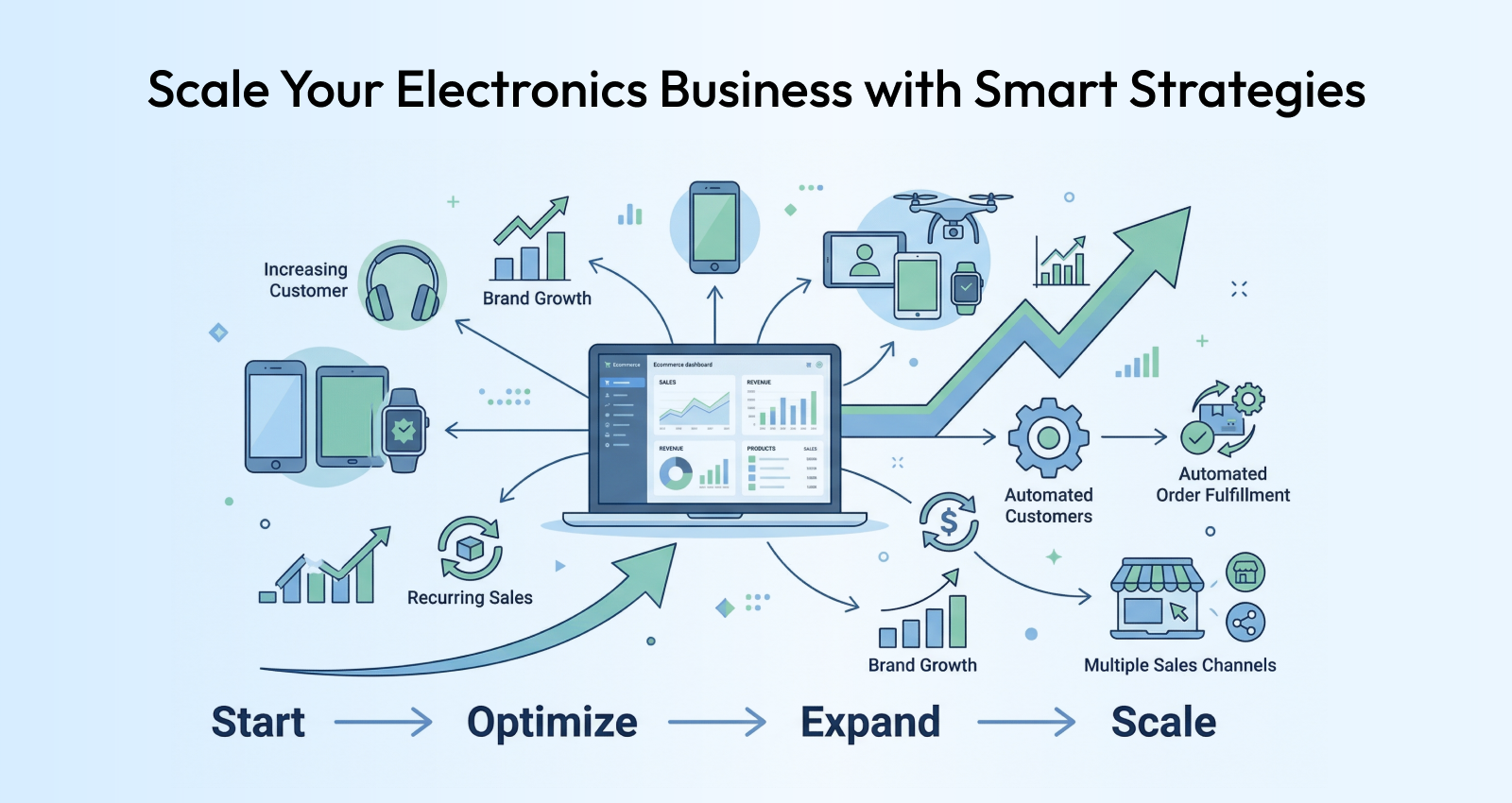
Once your business starts generating consistent sales, the next step is scaling. Growth is not just about increasing orders—it is about building systems that can handle expansion without reducing quality.
Expanding Product Range Strategically
Instead of adding random products, focus on expanding within your niche. For example, if your store performs well in mobile accessories, you can gradually introduce related products like chargers, cases, and audio devices.
This approach keeps your store focused while increasing average order value.
Building a Strong Brand Identity
Branding is what makes customers remember your business. In a competitive market like electronics, a strong brand can differentiate you from other sellers offering similar products.
A professional website, consistent design, and clear messaging help build brand identity. Over time, customers begin to trust your store and prefer buying from you instead of unknown sellers.
Using Customer Trust to Drive Growth
Satisfied customers are one of your biggest assets. Positive reviews and word-of-mouth recommendations can bring new buyers without additional marketing cost.
Encouraging customers to leave reviews and share their experience helps build credibility and attract more sales.
Automating Operations for Efficiency
As your business grows, managing everything manually becomes difficult. Automation helps streamline operations and save time.
Using tools for order management, inventory tracking, and customer communication allows you to focus on strategy and growth instead of daily tasks.
Ecommerce vs Traditional Electronics Selling (Quick Comparison)
|
Factor |
Online Selling |
Traditional Selling |
|
Reach |
Global |
Local |
|
Cost |
Lower |
Higher |
|
Availability |
24/7 |
Limited |
|
Scalability |
High |
Limited |
|
Customer Experience |
Digital convenience |
Physical interaction |
This comparison shows why more entrepreneurs are choosing to start selling electronics online.
Final Verdict: Should You Start Selling Electronics Online?
Selling electronics online is not just an opportunity—it is a long-term business model with strong growth potential.
With the right approach, you can:
- Reach customers beyond your local market
- Build a scalable and profitable business
- Reduce operational costs compared to offline stores
However, success depends on how well you execute your strategy. Businesses that focus on product quality, trust, customer experience, and consistent marketing are more likely to grow faster.
If you apply the strategies discussed in this guide, you can build a successful electronics ecommerce business and scale it over time.
FAQs
To start selling electronics online, choose a niche, source reliable products, create a professional ecommerce website, and set up payment and shipping systems. Once your store is ready, use SEO, social media, and paid ads to attract customers. Building trust through warranty and clear product details is essential for long-term success.
To sell electronics online successfully, focus on product quality, competitive pricing, and detailed product descriptions. Use SEO and digital marketing to attract buyers, and build trust through reviews, warranty information, and transparent policies. A smooth user experience also plays a key role in increasing sales.
Yes, selling electronics online can be profitable due to high demand and repeat purchases. Profitability depends on sourcing products at the right cost, maintaining competitive pricing, and using effective marketing strategies. Businesses that build strong branding and customer trust often achieve higher margins.
The best way is to combine marketplaces, social media, and your own ecommerce website. Marketplaces help you start quickly, while your website gives you full control and better profit margins. This combination allows you to grow faster and build a sustainable business.
You can build trust by providing accurate product details, warranty information, customer reviews, and clear return policies. High-quality images and transparent pricing also help customers feel confident about their purchase decisions.
Yes, you can sell electronics internationally by enabling global shipping, supporting international payment methods, and ensuring product compatibility. Providing warranty and clear policies is important to gain trust from international buyers.
Common challenges include high competition, pricing pressure, logistics issues, and maintaining product quality. These can be managed by focusing on reliable suppliers, strong branding, and effective marketing strategies.
An ecommerce website gives you full control over branding, pricing, and customer experience. It helps you build trust, increase profit margins, and create a long-term business without depending entirely on marketplaces.