Why Businesses Need a Global Ecommerce Platform to Reach Customers in Multiple Countries
The ecommerce landscape has changed dramatically in recent years. Businesses are no longer limited to selling products only in their local markets. With the growth of digital commerce, companies now have the opportunity to reach customers across the world through online channels.
Consumers today are comfortable purchasing products from international brands if the buying process is simple and trustworthy. Whether someone is shopping for fashion, electronics, beauty products, or home essentials, customers often explore online stores from different countries before making a purchase.
However, expanding internationally is not as simple as launching a basic ecommerce website. Businesses that want to serve customers in multiple countries must handle a wide range of operational requirements such as international payments, currency conversion, shipping logistics, and localized customer experiences.
This is where a Global Ecommerce Platform becomes essential.
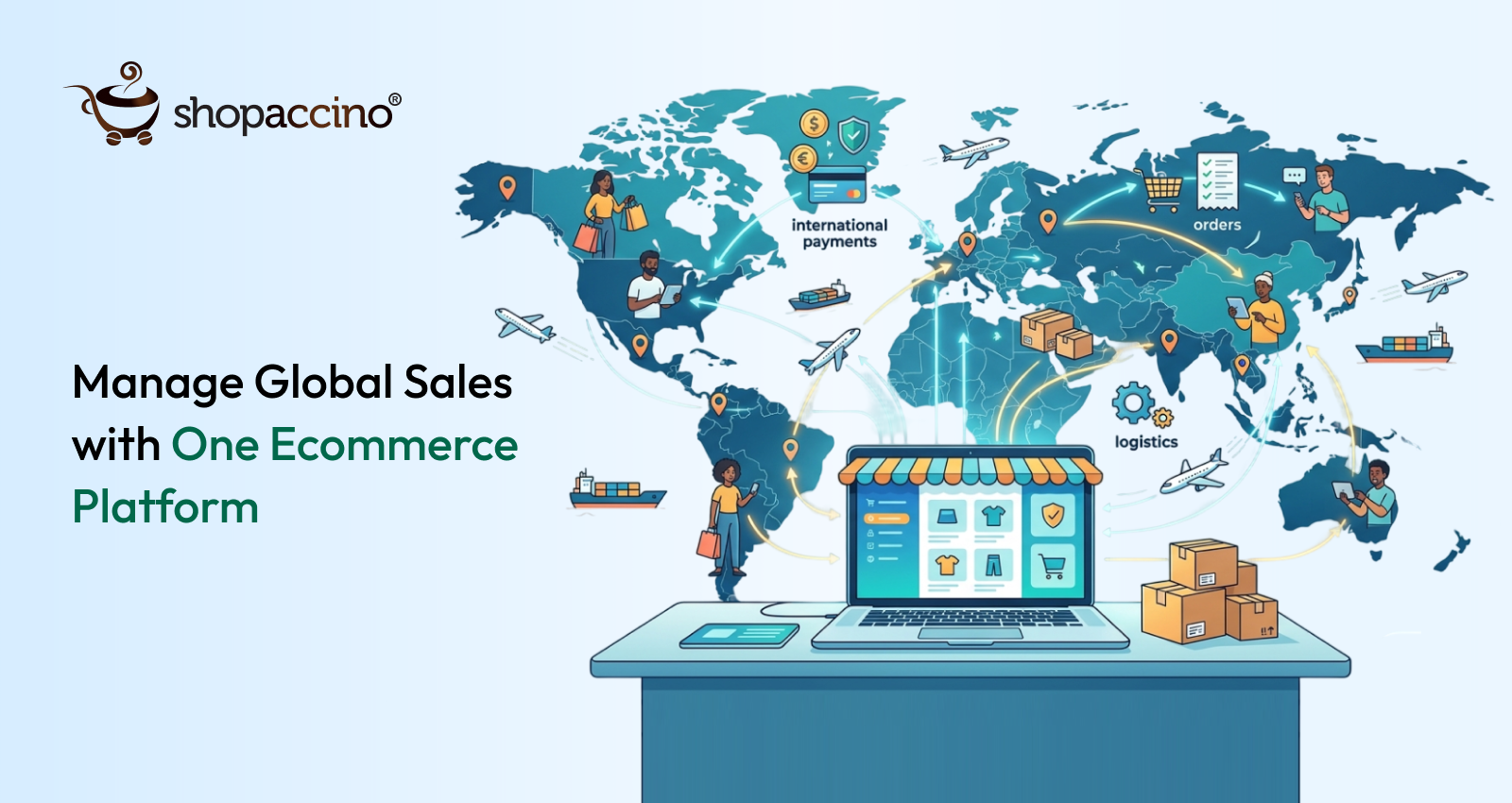
A global ecommerce platform provides the infrastructure businesses need to operate online stores that can serve customers in different regions around the world. It helps companies manage multiple currencies, languages, payment gateways, and shipping networks while maintaining a smooth shopping experience for international customers.
Instead of managing separate websites for each country, businesses can use a unified platform to control global operations from a single system.
In this guide, we will explore why businesses need a global ecommerce platform and how it helps companies successfully reach customers in multiple countries.
The Rise of Cross-Border Ecommerce
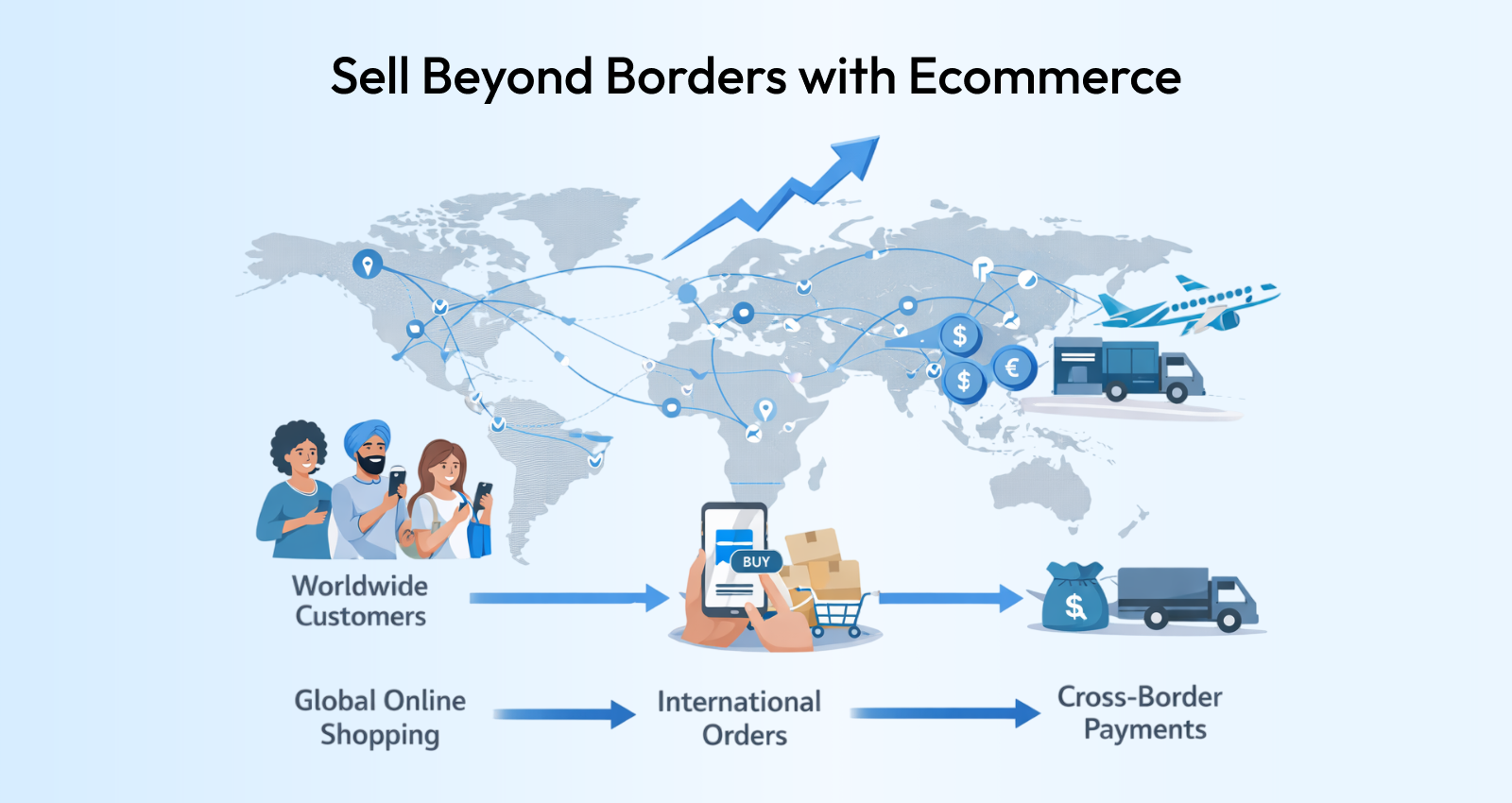
Cross-border ecommerce has become one of the fastest growing segments of the global retail industry. With improved internet access, mobile shopping, and international logistics networks, consumers now regularly purchase products from overseas businesses.
Several factors have contributed to this rapid growth.
Increased Global Internet Connectivity
More people around the world now have access to high-speed internet and smartphones. This allows consumers to browse international stores and discover products that may not be available in their local markets.
Improved Digital Payment Systems
Modern payment gateways support multiple currencies and international transactions. Customers can pay using cards, digital wallets, and other payment methods regardless of where the store is located.
Expansion of Global Logistics Networks
Shipping providers and fulfillment partners have expanded their international delivery capabilities. This makes it easier for businesses to ship products to customers in different countries.
Global Online Marketing
Businesses can now promote their products globally through digital marketing channels such as search engines, social media, and online advertising platforms.
These developments have made it possible for businesses of all sizes to expand beyond domestic markets and reach customers worldwide.
The Challenges of Managing International Ecommerce Operations
While selling internationally offers many benefits, it also introduces several operational challenges that businesses must address.
Without the right technology infrastructure, managing cross-border ecommerce can become complicated.
Some of the most common challenges businesses face include the following.
Managing Multiple Currencies
Customers prefer to see product prices in their local currency. Businesses must provide accurate currency conversions while maintaining consistent pricing strategies.
Language Localization
Customers are more comfortable shopping on websites that display content in their native language. Translating product descriptions, checkout pages, and customer support content becomes important.
International Payment Processing
Different countries use different payment methods. Businesses must support payment gateways that allow customers to complete transactions securely.
Shipping and Logistics Coordination
International shipping requires coordination with logistics partners, customs processing, and delivery tracking.
Regulatory and Tax Compliance
Different countries have different tax structures and import regulations that businesses must follow.
Handling these challenges manually can become extremely difficult as the business grows.
How a Global Ecommerce Platform Simplifies International Operations
A well-designed global ecommerce platform provides businesses with the tools needed to manage international operations efficiently.
Instead of using multiple systems for different countries, businesses can centralize their operations within a single platform.
The platform helps manage various aspects of international ecommerce.
|
Capability |
How It Helps Businesses |
|
Multi-currency pricing |
Allows customers to shop using their local currency |
|
Multi-language storefronts |
Improves trust and accessibility for international buyers |
|
Global payment integrations |
Supports international transactions |
|
Cross-border shipping management |
Simplifies delivery and logistics coordination |
|
Regional storefront customization |
Provides localized experiences for different markets |
These capabilities allow businesses to offer a consistent shopping experience for customers regardless of where they are located.
Key Benefits of Using a Global Ecommerce Platform
Businesses that adopt international ecommerce platforms gain several strategic advantages that support long-term growth.
Some important benefits include:
Expanding Market Reach
Companies can reach customers from different countries without opening physical stores in those locations.
Increasing Revenue Streams
Selling products in multiple markets allows businesses to generate income from different regions.
Strengthening Brand Presence
International expansion helps businesses establish their brand in global markets.
Building Business Resilience
Companies that operate in multiple markets are less dependent on the economic conditions of a single region.
These advantages make global ecommerce platforms an important part of modern digital commerce strategies.
Why Choosing the Right Platform Is Critical
Not every ecommerce platform is designed to support international expansion. Some platforms are limited to basic store functionality and may lack the features required for cross-border commerce.
Businesses planning to expand internationally should choose platforms that provide strong global capabilities.
Important factors to consider include:
- support for multiple currencies
- language localization capabilities
- international payment integrations
- global shipping and logistics management
- scalable infrastructure for growing traffic and orders
Choosing the right platform ensures that businesses can manage global operations efficiently while providing a seamless experience for international customers.
Key Features Businesses Should Expect From Global Ecommerce Software
When businesses plan to expand internationally, choosing the right technology becomes one of the most important decisions. A strong ecommerce system must be capable of handling the complexities that come with serving customers across multiple countries.
A reliable global ecommerce software platform provides tools that help businesses manage international storefronts, process global transactions, and coordinate cross-border logistics efficiently.
Several key features play a crucial role in supporting international ecommerce operations.
Multi-Currency Support
One of the most important features of international ecommerce is the ability to display prices in different currencies. Customers usually prefer to see product prices in their local currency because it makes purchasing decisions easier.
A global ecommerce system should automatically convert product prices based on current exchange rates and allow customers to complete transactions using their preferred currency.
This feature improves transparency and reduces confusion during checkout.
Multi-Language Storefront
Language localization is another essential component of international ecommerce. Customers feel more comfortable shopping on websites that present information in their native language.
A platform with multi-language support allows businesses to translate product descriptions, navigation menus, checkout pages, and customer communication content.
This localized experience builds trust and improves conversion rates among international buyers.
Global Payment Integration
Different countries use different payment methods. While some markets rely heavily on credit cards, others prefer digital wallets, bank transfers, or regional payment systems.
A global ecommerce platform should support multiple payment gateways that allow businesses to accept payments from customers around the world.
Providing flexible payment options increases customer confidence and helps businesses reach wider audiences.
Managing Global Orders and Logistics Efficiently
Handling international orders requires a well-organized system that can coordinate shipping and delivery processes across different countries.
Without proper logistics integration, businesses may face delays, tracking issues, or higher operational costs.
A strong ecommerce platform helps businesses manage global logistics by providing tools that support order tracking and shipping management.
Important capabilities include:
Integration with International Shipping Partners
Businesses should be able to connect their ecommerce platform with global logistics providers. These integrations help automate shipping processes and improve delivery efficiency.
Real-Time Order Tracking
Customers expect transparency when ordering products from international stores. Real-time tracking allows customers to monitor their order status from dispatch to delivery.
Automated Shipping Calculations
Shipping costs often vary depending on the customer's location. Automated systems can calculate shipping fees based on destination, package weight, and delivery method.
These tools help businesses manage international fulfillment while maintaining a smooth customer experience.
Centralized Management for Multi-Country Operations
Operating ecommerce stores in multiple countries can become complicated if businesses rely on separate systems for each region.
A modern ecommerce platform allows businesses to manage all international operations from a single centralized dashboard.
This centralized approach allows administrators to:
- manage product catalogs across regions
- track orders from multiple countries
- monitor sales performance globally
- update pricing and promotions for different markets
Centralized management reduces operational complexity and helps businesses maintain consistent branding across international storefronts.
For example, platforms like Shopaccino provide tools that allow businesses to manage global ecommerce operations efficiently while maintaining control over product catalogs, orders, and customer interactions from one unified system.
This type of integrated approach simplifies international expansion and allows businesses to focus on growth rather than technical challenges.
Enhancing Customer Experience for International Buyers
Customer experience is one of the most important factors in global ecommerce success. International customers expect the same level of convenience and reliability as they would receive from local online stores.
Businesses must ensure that their ecommerce platform provides a seamless shopping experience regardless of the customer's location.
Several features help improve the experience for global shoppers.
Localized Website Experience
Customers should see localized versions of the website that match their region, including currency, language, and shipping information.
Transparent Pricing and Taxes
International shoppers appreciate clear pricing that includes taxes, duties, and shipping costs. Transparent pricing reduces cart abandonment.
Responsive Website Performance
The platform must load quickly and function smoothly for users in different geographic regions.
Mobile-Friendly Design
Since many customers shop using smartphones, mobile optimization is essential for providing a smooth shopping experience.
Providing a consistent and convenient experience helps build trust with international customers and encourages repeat purchases.
Marketing Tools for Global Ecommerce Expansion
Reaching customers in different countries requires effective digital marketing strategies. A strong ecommerce platform should include marketing tools that help businesses promote their products globally.
These tools may include:
- search engine optimization features
- email marketing integrations
- promotional campaigns and discount tools
- customer segmentation capabilities
- analytics for tracking international performance
These capabilities allow businesses to target specific regions, promote localized offers, and understand how customers from different countries interact with their online store.
With the right marketing tools, businesses can build strong relationships with international customers and expand their global reach.
Advanced Capabilities That Support Global Ecommerce Growth
As businesses expand into international markets, their ecommerce infrastructure must be capable of handling increasing traffic, higher order volumes, and complex global operations. A basic ecommerce website may not provide the tools required to manage these challenges effectively.
A strong Global Ecommerce Platform offers advanced capabilities that allow businesses to operate across multiple countries while maintaining efficiency and consistency.
Several advanced features help support long-term global ecommerce growth.
Scalable Infrastructure
When businesses expand internationally, the number of customers visiting their website can increase significantly. A scalable ecommerce platform ensures that the website continues to perform smoothly even during high traffic periods.
Scalable infrastructure helps businesses handle:
- growing product catalogs
- increasing customer traffic
- higher order volumes
- global promotional campaigns
This stability ensures that customers from different regions experience the same fast and reliable website performance.
Regional Storefront Customization
Different markets often require different shopping experiences. Customer preferences, languages, and product demand may vary across countries.
A strong ecommerce platform allows businesses to customize storefronts for specific regions. This may include:
- localized promotions
- region-specific product catalogs
- customized pricing strategies
- language-based content variations
These capabilities allow businesses to provide personalized experiences for customers in different markets.
Data and Analytics for Global Business Decisions
Data plays a crucial role in helping businesses understand how their international ecommerce operations are performing.
A powerful ecommerce platform provides analytics tools that help businesses monitor sales and customer behavior across different regions.
Important insights may include:
- sales performance by country
- customer purchase patterns
- popular products in specific markets
- website traffic from different regions
- conversion rates across international stores
These insights help businesses identify growth opportunities and optimize their strategies for different markets.
For example, if a business notices high demand for certain products in a specific region, it can adjust inventory planning and marketing efforts accordingly.
Ensuring Security and Compliance for International Transactions
Security becomes even more important when businesses operate across multiple countries. Customers must feel confident that their personal information and payment data are protected.
A strong ecommerce platform includes security features that protect transactions and customer data.
Important security capabilities include:
- secure payment gateway integrations
- encrypted transaction processing
- fraud detection systems
- compliance with international data protection regulations
These measures help build customer trust and ensure that businesses meet global regulatory requirements.
Maintaining security and compliance is essential for operating a reliable international ecommerce business.
Common Mistakes Businesses Make When Expanding Globally
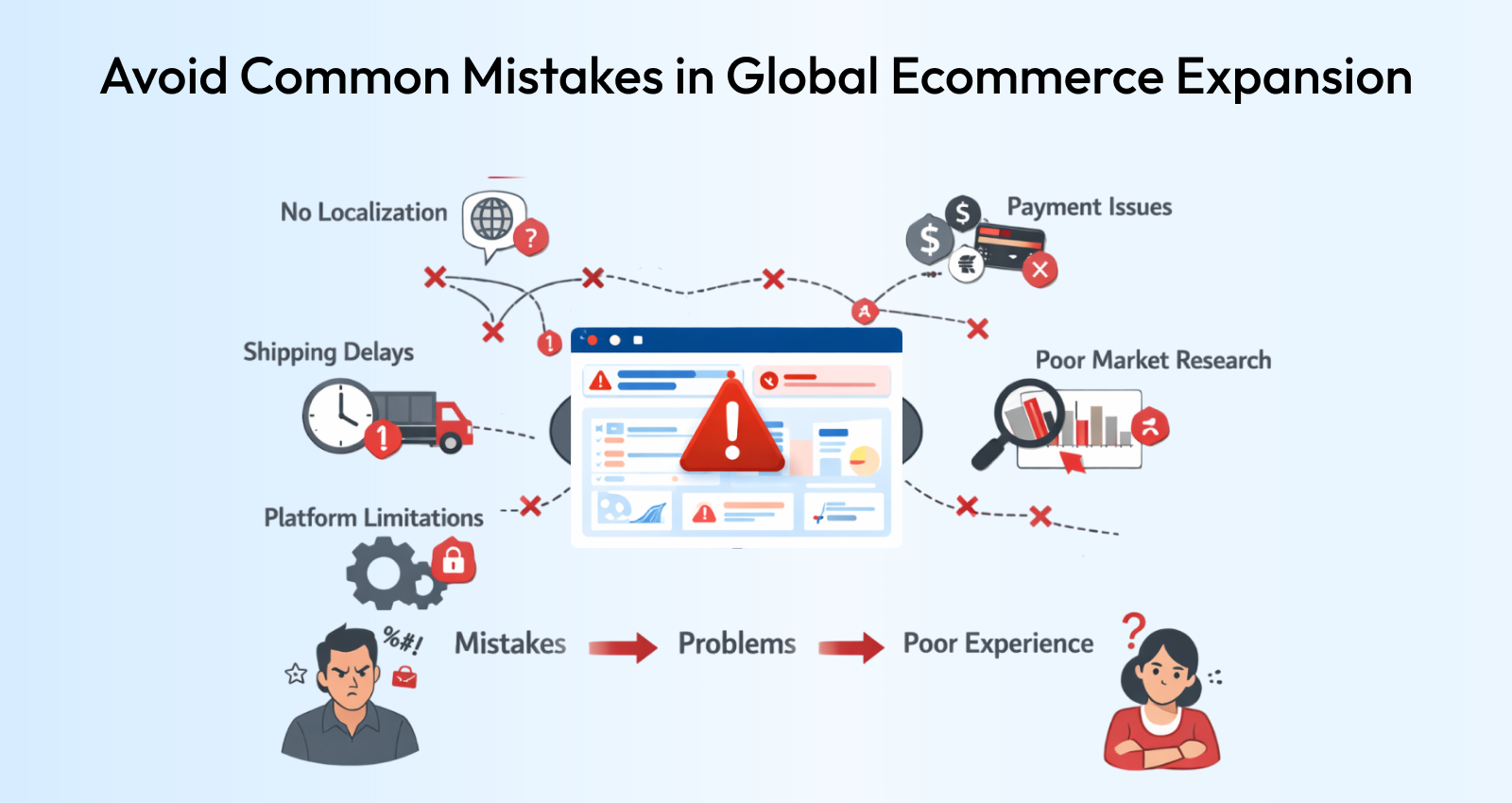
While international ecommerce offers many opportunities, businesses sometimes face challenges when expanding into new markets.
Some common mistakes include:
Ignoring Localization
Businesses that fail to localize their website content, currency, and payment options may struggle to connect with international customers.
Underestimating Logistics Complexity
International shipping requires careful coordination with logistics providers and clear delivery tracking.
Using Platforms Without Global Capabilities
Some ecommerce platforms are designed only for local markets and may not support multi-currency or international payment systems.
Lack of Market Research
Entering new markets without understanding customer preferences and demand can limit growth potential.
Avoiding these mistakes helps businesses build stronger international ecommerce strategies.
Key Takeaways for Businesses Expanding Internationally
Expanding into global markets can be a powerful growth strategy for ecommerce businesses. However, success depends on having the right technology infrastructure to support international operations.
Important insights for businesses include:
- Global ecommerce allows businesses to reach customers in multiple countries.
- International selling requires support for currencies, languages, and payment methods.
- Strong logistics and order management systems are essential for cross-border commerce.
- Data insights help businesses optimize strategies for different markets.
- Choosing the right platform simplifies global ecommerce management.
With the right systems and strategies in place, businesses can successfully scale their operations and reach customers worldwide.
Final Thoughts
The growth of digital commerce has made it easier for businesses to expand beyond their domestic markets. Companies that adopt international ecommerce strategies can reach new audiences and unlock significant growth opportunities.
However, managing cross-border commerce requires reliable technology that can handle international payments, shipping logistics, and localized customer experiences.
Choosing the right Global Ecommerce Platform allows businesses to simplify these complexities and operate efficiently across multiple countries.
With the right platform and strategy, businesses can build a strong global presence and deliver seamless shopping experiences to customers around the world.
FAQs
A Global Ecommerce Platform is an ecommerce system that allows businesses to sell products to customers in multiple countries through one centralized online store. It supports features such as multi-currency pricing, multi-language storefronts, international payment gateways, and global shipping integrations. These tools help businesses manage cross-border ecommerce operations efficiently.
Businesses need a global ecommerce platform to expand their reach beyond local markets and serve customers in different countries. It helps manage international payments, currency conversions, and shipping logistics while providing localized shopping experiences. This allows businesses to operate globally while maintaining a consistent customer experience.
A reliable global ecommerce software solution should support multi-currency pricing, language localization, international payment gateways, and global shipping integrations. It should also include order management tools, analytics dashboards, and scalable infrastructure that allows businesses to manage international ecommerce operations efficiently.
A global ecommerce solution provider offers the technology and infrastructure required to sell products internationally. These platforms help businesses manage online storefronts, handle cross-border transactions, integrate logistics services, and monitor global sales performance. With the right provider, businesses can expand internationally without complex technical challenges.
Businesses selling internationally often face challenges such as currency conversion, language barriers, international shipping logistics, and regulatory compliance. A strong ecommerce platform helps overcome these challenges by providing integrated tools that manage payments, shipping, and localized customer experiences.
Cross-border ecommerce allows businesses to access larger markets and reach customers worldwide. By selling internationally, companies can diversify revenue streams, increase brand visibility, and reduce dependence on a single market. Global ecommerce platforms help simplify the process of managing international sales and operations.
Businesses can improve the experience for global customers by offering localized storefronts, multi-currency pricing, region-specific payment methods, and reliable shipping options. These features make it easier for international customers to browse products, understand pricing, and complete purchases with confidence.
Yes, global ecommerce platforms make it possible for small and medium-sized businesses to reach international customers without building separate websites for each market. By using a centralized system, businesses can manage products, payments, and shipping for multiple countries while maintaining efficient operations.