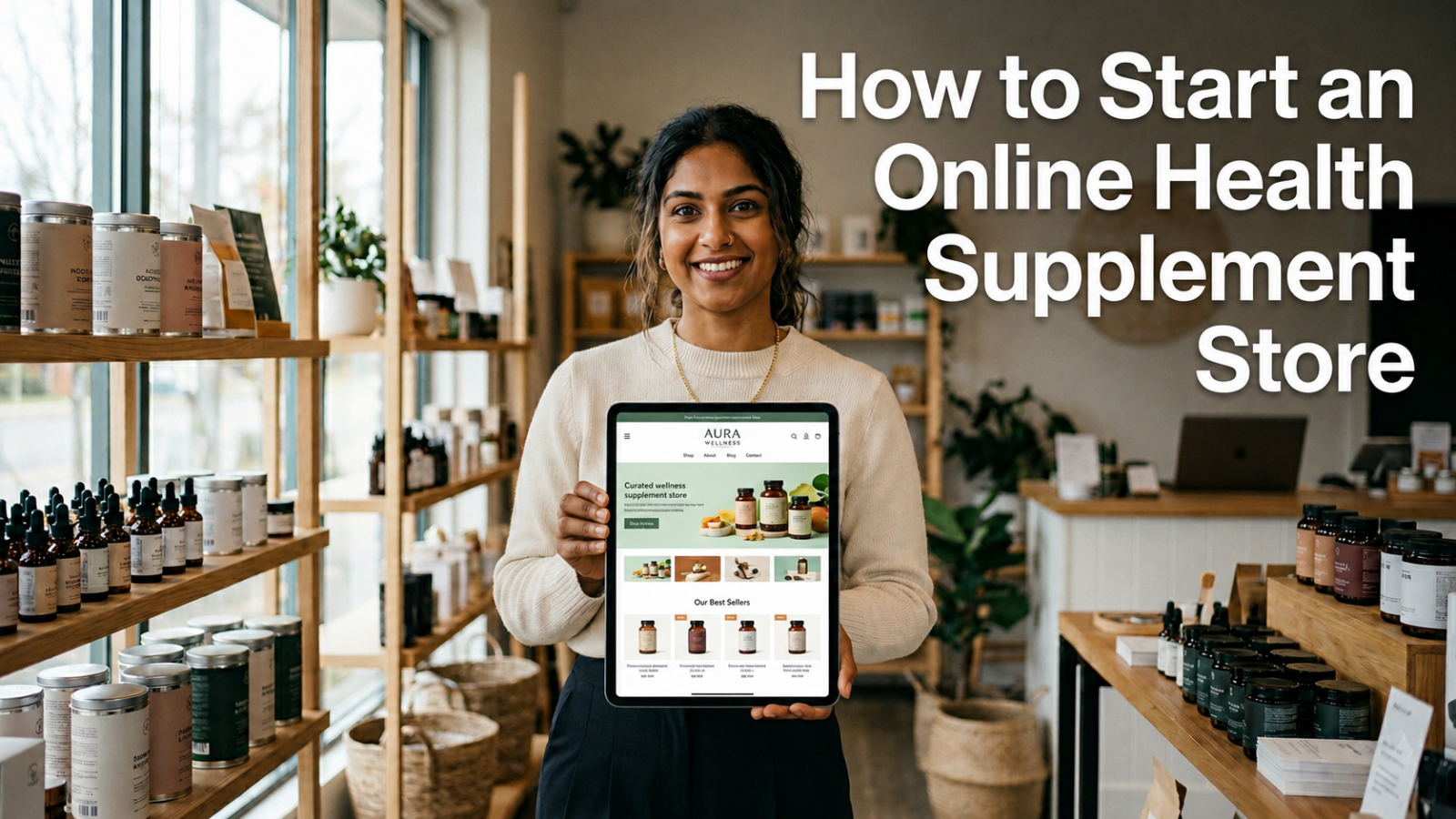
How to Sell Health Supplements Online: Requirements, Compliance, and Store Setup Guide
What Does It Mean to Sell Health Supplements Online? Selling health supplements online means listing dietary, nutritional, herbal, or sports supplements on a compliant ecommerce website or app and shipping orders directly to customers. Successful supplement sellers operate under proper regulatory approval, use compliant labeling, work with payment gateways that accept the category, and follow strict advertising rules across every market they sell into. |
Few ecommerce categories are growing faster than dietary supplements. Few are also as heavily regulated. If you have built a supplement brand offline and want to Sell Health Supplements Online, the technology side is the easy part. The real work is doing it compliantly across every country you plan to ship to.
This guide is written for established supplement businesses moving online. Manufacturers with existing product lines. Distributors handling well-known brands. Retailers with regulatory approvals already in hand. The blueprint here is operational, not aspirational. If you are still in product development or compliance application phases, finish those first. The rest of this guide assumes you have the legal foundation in place or are actively building it.
The supplement business has three layers, and each one must be solid before the next one matters. Get the legal layer right, or the operational layer fails. Get the operational layer right, or the growth layer never builds traction. We will walk through all three in this order, because that is the order in which they actually matter.
LAYER 1 • The Legal Foundation
Before you list a single product online, the regulatory foundation has to be in place. The internet does not change supplement law. It amplifies the consequences of getting it wrong. A non-compliant offline shop affects one location. A non-compliant ecommerce store affects every market it ships to, and regulators in those markets can act.
Which Licenses and Regulatory Approvals Do You Actually Need?
Supplement regulation differs in every country. There is no single global license. Here is a region-by-region snapshot of the primary bodies you will deal with as a supplement ecommerce seller.
Region | Primary Regulator | What It Governs |
|---|---|---|
United States | FDA (under DSHEA 1994) | Manufacturing standards, labeling, structure-function claims, GMP compliance |
European Union | EFSA + national authorities | Health claims authorization, novel food approval, labeling |
United Kingdom | MHRA + FSA | Borderline products, claims, labeling, registration |
India | FSSAI | Nutraceutical licensing, GMP, labeling, claims under Nutraceutical Regulations 2022 |
Australia | TGA | Listed medicines, ingredient approval, advertising compliance |
Canada | Health Canada (NNHPD) | Natural Health Product (NHP) licensing, site licensing, labeling |
Singapore | HSA | Health supplement notification, claims, labeling |
If you plan to sell into multiple countries, you need approval (or recognition) in each one. A US FDA-compliant product is not automatically allowed in the EU. A FSSAI-licensed Indian product needs separate approval to ship to Canada. International supplement ecommerce is a multi-regulator operation, not a single license.
What Documentation Should You Keep Ready?
Whether you are audited, sell on marketplaces, apply for payment gateway approval, or set up shipping with international couriers, you will be asked for documentation. Keep these ready from day one:
- Manufacturing license or contract with a licensed contract manufacturer
- Good Manufacturing Practice (GMP) certification for the production facility
- Certificate of Analysis (COA) for each batch, showing ingredient verification
- Product registration or notification number from the relevant authority
- Approved label artwork with regulator approval where required
- Insurance documentation including product liability coverage
- Import or export approvals if you ship across borders
How Should You Label Supplements for Online Sale?
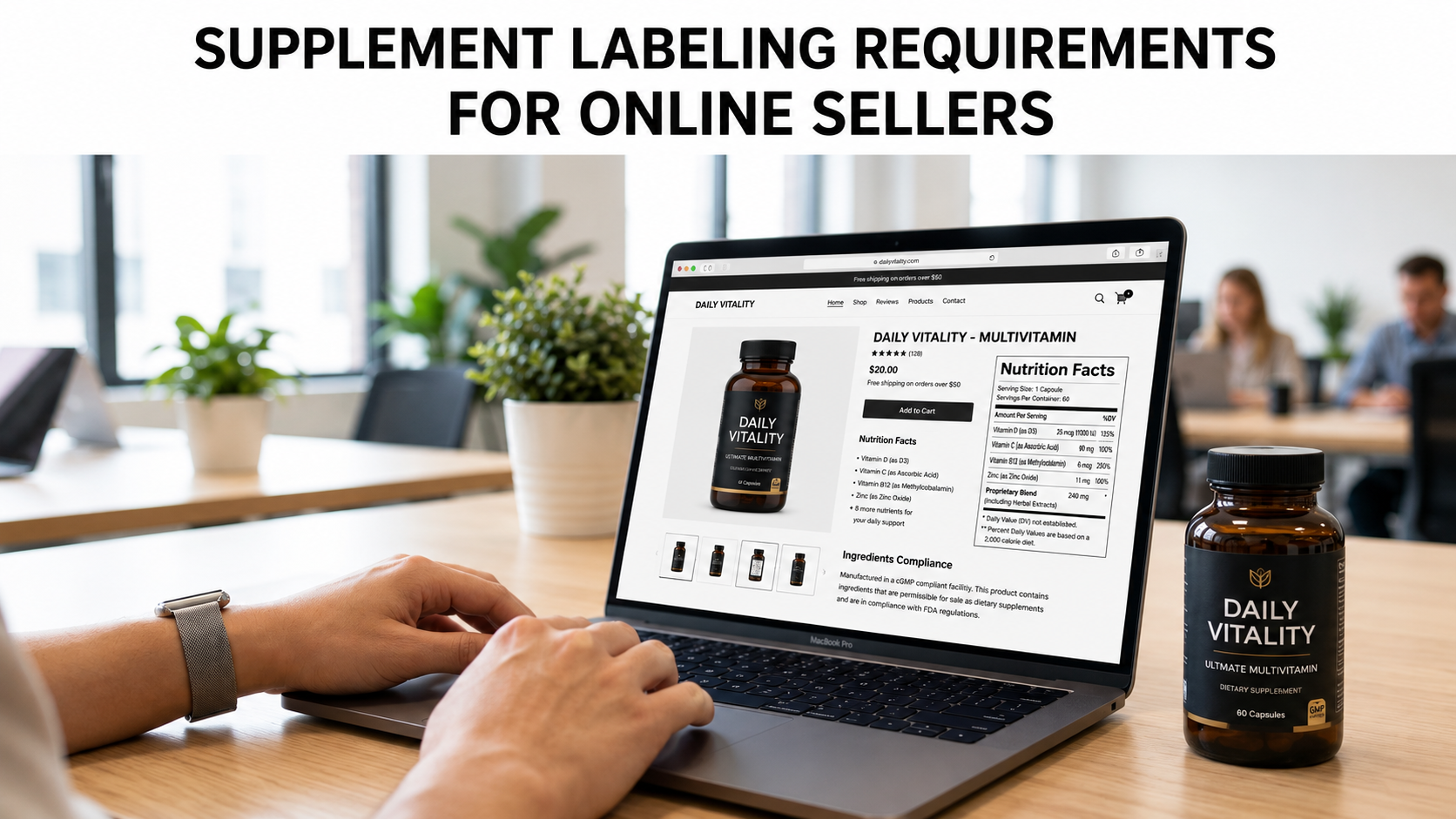
Labeling is one of the most common failure points in supplement business compliance. Each region has detailed labeling rules covering ingredient lists, allergen disclosures, nutrient quantities, recommended use, warnings, manufacturer details, batch numbers, and expiry dates. Online sale adds a complication: the product page itself functions as a label extension. Anything you write on the website can be treated as a labeling claim by regulators.
What Claims Are You Absolutely Not Allowed to Make?
This is the single most important section of any supplement guide. Across virtually every major regulator (FDA, EFSA, MHRA, FSSAI, TGA), there is a clear line between permitted claims and prohibited claims.
Permitted (structure-function claims, where regulator allows):
- Statements about how a nutrient supports a normal body function
- Statements about general well-being benefits where regulator has pre-approved the wording
- Factual descriptions of the ingredient and its history of use
Prohibited everywhere (without separate drug approval):
- Claims that the product treats, cures, prevents, or mitigates any disease
- Comparisons to prescription medicines
- Specific health outcome guarantees
- Before-and-after testimonials suggesting medical results
- Endorsements from doctors recommending the product for treatment
Every product page, every blog post, every email, and every ad must follow these rules. One non-compliant claim on a popular product page can trigger regulatory action that affects the entire business.
Critical Note The legal foundation is the responsibility of the business owner, manufacturer, and compliance team. No ecommerce platform, including Shopaccino, provides regulatory approval, license applications, or compliance certification. Engage a qualified regulatory consultant for your operating regions before launch. |
LAYER 2 • The Operational Stack
With the legal foundation in place, the operational stack is where the business actually runs day to day. Supplements have unique operational requirements that general ecommerce categories do not. Payment processors treat them carefully. Couriers have specific rules for them. Storage matters more. Returns of consumables follow different rules.
Which Payment Gateways Actually Accept Supplement Businesses?
Most mainstream payment gateways classify supplements as a high-risk merchant category. This is the single biggest operational surprise for new dietary supplement ecommerce sellers. You build the perfect store, list your products, and your payment gateway application gets rejected. compare the top payment gateways in India.
Here is how to handle this realistically:
Why Do Some Payment Gateways Reject Supplement Sellers?
Three reasons. First, regulatory risk: supplements have a higher rate of regulatory action than most categories, and gateways do not want to be processing payments for businesses that later face enforcement. Second, chargeback risk: consumable products have higher subscription cancellation and dispute rates than durable goods. Third, brand risk: gateways are careful about being associated with categories regulators sometimes scrutinize.
Which Gateways Work Best for Supplement Businesses?
Specialist high-risk gateway providers (NMI, Authorize.net through specific resellers, PayKings, Easy Pay Direct, eMerchantBroker, Durango Merchant Services in the US; specialist providers in EU, India, Australia) accept supplement businesses regularly. Processing fees are higher than mainstream rates, typically 3 to 5 percent versus 2 to 3 percent. The trade-off is reliable approval and ongoing service.
Standard mainstream gateways (Stripe, PayPal, Razorpay, PayU) sometimes accept supplement sellers, but approval depends on category, product list, claims, and country. Approval is never guaranteed. Always submit your full product list and label artwork upfront so the gateway can assess before you launch.
How Should You Handle Supplement Shipping and Storage?
Supplements are sensitive shipments. Temperature, humidity, and time in transit all affect product quality. The shipping operation must protect both the product and the regulatory compliance status.
What Are the Key Shipping Considerations for Supplements?
- Temperature-sensitive products (probiotics, some liquids) need temperature-controlled shipping or ice packs
- Customs documentation must accurately list ingredients, not just product names
- International shipments require harmonized tariff codes specific to the supplement type
- Some countries restrict importation of specific ingredients regardless of source-country approval
- Carrier insurance coverage often excludes supplement spoilage caused by transit delays
How Should Supplement Warehouses Be Set Up?
Storage matters more for supplements than for most ecommerce categories. Heat damages active ingredients. Humidity affects capsules and tablets. Light degrades some compounds. Even short periods in non-compliant storage conditions can void product expiry dates and trigger recall obligations.
Best practices for supplement storage and fulfillment:
- Climate-controlled warehouse with documented temperature and humidity logs
- First-In-First-Out (FIFO) inventory rotation to prevent expired stock shipping
- Lot and batch tracking for every shipment in case of recall obligations
- Separate storage for finished goods, raw materials, and quality-hold inventory
- Tamper-evident sealing on every outbound package
How Do Returns and Refunds Work for Supplement Orders?
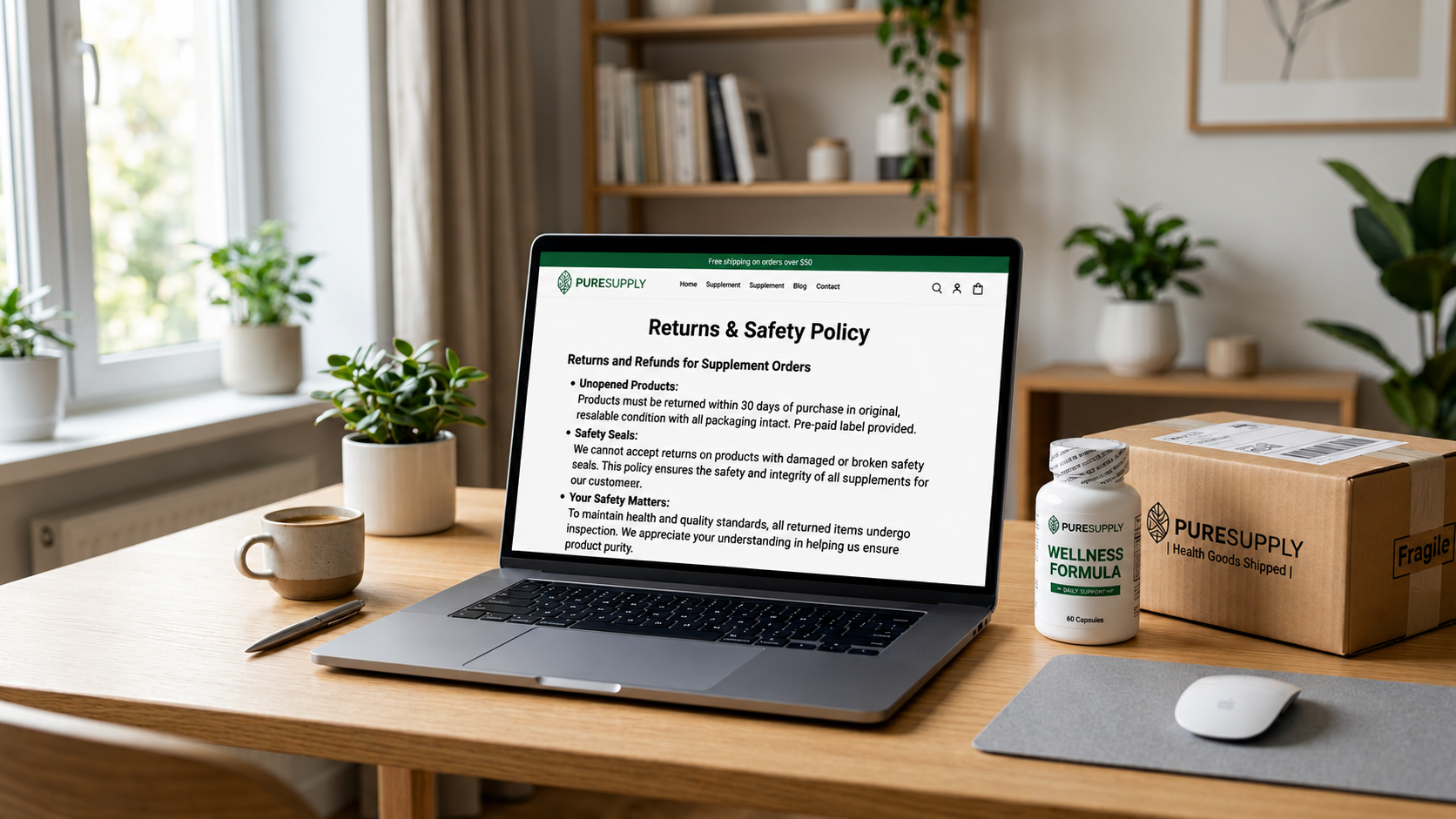
Consumable products including supplements have unique return rules. Most ecommerce platforms allow 14 to 30 day returns. Supplement returns are more restricted for safety and regulatory reasons.
Standard supplement return policies handle this in three tiers:
- Unopened products: Returnable within 30 days for full refund, in original packaging, before expiry date.
- Opened products: Generally non-returnable for safety reasons. Some businesses offer partial refund for damaged or defective products with photographic evidence.
- Damaged or incorrect orders: Always full refund or replacement with documented evidence (photo, video, written description) submitted within 7 days.
Document this policy clearly on every product page, in the cart, at checkout, and in order confirmation emails. Disputes from customers who claim they did not see the policy are one of the top causes of payment gateway chargebacks for supplement businesses.
What Ecommerce Platform Features Matter Most for Supplement Sellers?
A branded supplement website needs more than just product listings. Specific features make supplement operations significantly easier or harder.
Which Features Are Non-Negotiable?
- Batch and expiry tracking at the product variant level
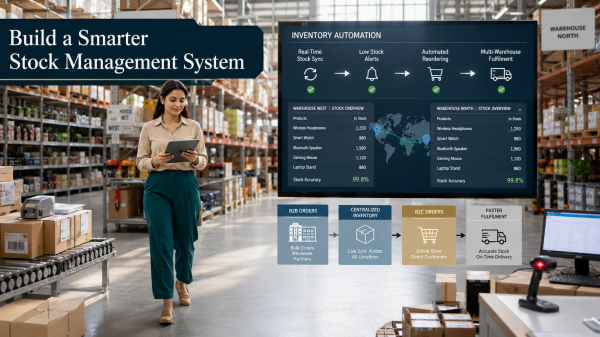
- Multi-warehouse inventory if you ship from multiple regions for compliance reasons
- Subscription management for repeat supplement orders (the highest-LTV revenue stream in this category)
- Detailed nutrition fact panel display capability on product pages
- Built-in document management for COA, lab reports, and certifications customers can view
- Customer accounts with order history for repeat purchases of consumables
- Compliant checkout with age verification where required (sports supplements, certain herbal products)
How Does Shopaccino Fit a Supplement Business?
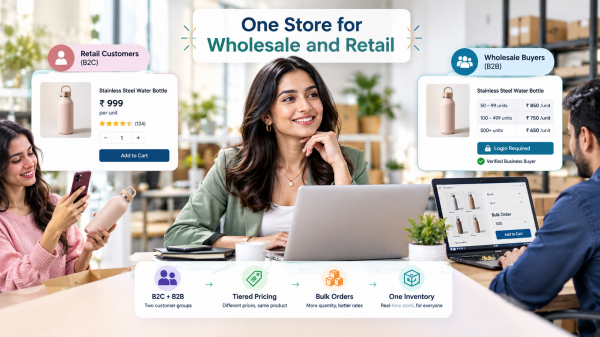
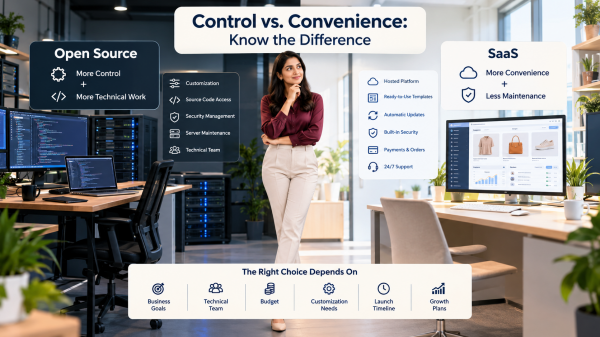
Shopaccino is SaaS ecommerce software that anyone running an established supplement business can use to build a branded online store on their own domain. The same platform that supports fashion, electronics, or food ecommerce also supports an online nutraceutical store, with each supplement listed as a product with variants for size, flavor, or strength. Multi-warehouse inventory, B2B plus B2C from one dashboard, multi-currency for global sellers, and zero platform transaction fees are built in.
What Shopaccino Provides and What It Does Not Shopaccino provides the ecommerce store software. The storefront, dashboard, product management, payment integrations, multi-warehouse inventory, and order workflows are all built in. Shopaccino does NOT provide regulatory compliance, license applications, gateway approval guarantees, or label review. Those remain the responsibility of the supplement business and its compliance team. Engage a qualified consultant for the legal layer. |
LAYER 3 • The Growth Engine
With legal and operational layers in place, growth becomes possible. The supplement category has unique marketing constraints. Most paid advertising channels restrict supplement promotion. Most social platforms have strict rules. Most influencer endorsements require careful disclosure. Growth in this category requires patience, content, and trust building over time, not aggressive paid acquisition campaigns.
How Can You Market Supplements Online Within Advertising Restrictions?
This is where supplement businesses commonly stumble. The marketing channels available to other ecommerce categories often have specific supplement restrictions. Understanding these in advance saves wasted effort and account suspensions.
What Are the Major Advertising Restrictions to Know?
Across most major platforms, the following rules apply to supplement advertising:
- Meta (Facebook and Instagram): supplements allowed in many regions but subject to ad review; certain ingredients restricted or banned outright; health claims trigger ad rejection
- Google Ads: supplements generally allowed but specific ingredients prohibited; health claims forbidden in ad copy; landing page review applies
- TikTok: supplement advertising heavily restricted; certified merchant program required in some regions; specific products banned
- Amazon Advertising: requires manufacturer authorization; restricted ingredient list applies; health claims forbidden
The single rule that applies across all platforms: never claim treatment, cure, prevention, or mitigation of disease in any ad, landing page, email, or social post. This is the line that triggers immediate account suspension and is rarely recoverable.
Which Marketing Channels Work Best for Supplement Brands?
Four channels do most of the heavy lifting for supplement ecommerce businesses globally. They share one quality: they build trust gradually rather than chasing fast acquisition.
How Does Content Marketing Drive Supplement Sales?
Long-form educational content (without health claims) attracts buyers researching ingredients, brand quality, and supplement business reputation. Articles about ingredient sourcing, manufacturing standards, third-party testing, and certification processes all attract serious buyers researching their next purchase. This content compounds over time and is fully compliant when written carefully.
Why Is Email Marketing the Strongest Channel for Repeat Supplement Orders?
Supplements are consumed and reordered. Email marketing captures that lifecycle better than any other channel. Set up automated flows for first order welcome, education on how to use the product, reorder reminders timed to typical product duration, and loyalty rewards for long-term customers. Email consistently delivers the highest return on investment in supplement ecommerce because the audience is already filtered by purchase intent.
How Does Influencer and Community Marketing Work for Supplements?
Authentic creators with engaged niche audiences work much better than mainstream influencers for supplement brands. A creator with 20,000 followers in a specific fitness niche often outperforms a creator with 2 million general followers. Disclosure rules apply strictly. Every collaboration must clearly identify itself as an ad or paid partnership under FTC rules in the US and equivalent rules elsewhere. Health claims by influencers are still your liability, not theirs.
Why Are Customer Reviews and Word of Mouth So Critical?
Supplement buyers research more carefully than buyers in most categories. Reviews, ratings, and word of mouth from real customers drive a disproportionate share of new purchases. Make review collection a core part of your post-purchase flow. Offer modest incentives for honest reviews. Display verified reviews prominently. Address negative reviews respectfully and publicly.
How Do You Build Customer Trust in the Supplement Category?
Trust is the foundation of supplement ecommerce. Buyers are putting your product into their bodies. Skepticism is the default state. Trust-building elements that work consistently across supplement brands:
- Third-party lab testing results published openly for every product batch
- Clear ingredient sourcing information including country of origin
- Visible certifications (GMP, organic, non-GMO, regional regulatory approvals)
- Founder story explaining why the brand exists beyond profit
- Customer service that responds within hours during business days
- Subscription cancellation that is one click, not a 20-minute phone call
According to the U.S. FDA Dietary Supplements information and the EFSA Food Supplements guidance, buyer trust in supplement brands is built primarily through transparency about ingredients, manufacturing, and testing. Marketing claims that promise health outcomes consistently backfire. Brands that focus on transparency outperform brands that focus on promises.
What Are the Most Common Mistakes Supplement Businesses Make Online?
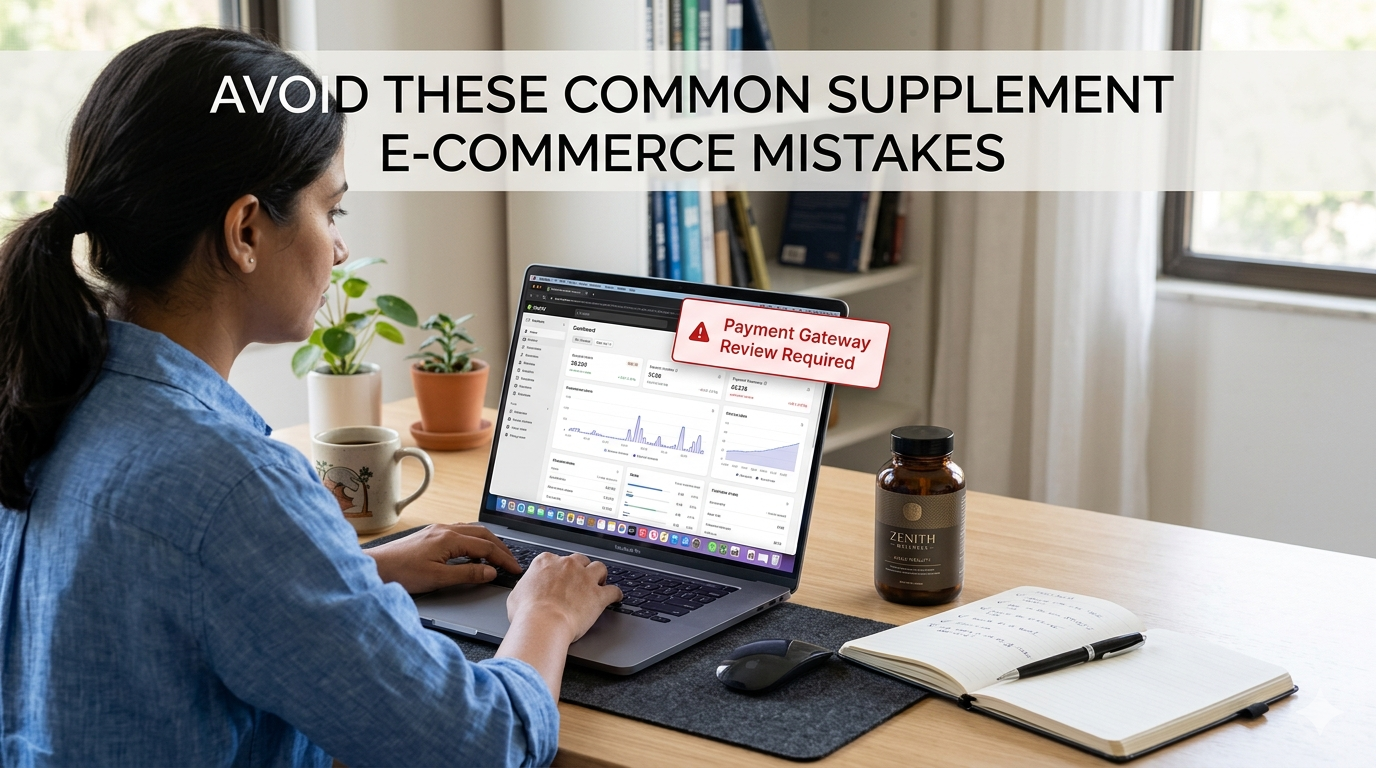
Some mistakes show up across nearly every new supplement ecommerce business. Most are avoidable once recognized.
Mistake 1: Treating Compliance as a Launch Task Rather Than an Ongoing Discipline
Regulations evolve. New restrictions appear. Approved ingredient lists change. A compliance review at launch is not enough. Schedule a regulatory review every six months. Stay subscribed to regulatory updates from every region you sell into.
Mistake 2: Choosing a Mainstream Gateway Without Pre-Approval
Setting up Stripe or PayPal at checkout and assuming approval will come through after the first orders process. When the gateway flags supplement merchants and freezes the account, weeks of orders sit in limbo. Always get gateway pre-approval before launch.
Mistake 3: Making Health Claims in Product Descriptions
Writing product copy that reads like a medical recommendation rather than a regulatory-compliant supplement listing. Every claim that says treats, cures, prevents, manages, or eliminates a condition is a regulatory violation, even if it is wrapped in marketing language. Hire a compliance copywriter, not a generalist.
Mistake 4: Ignoring Subscription Mechanics
Supplement businesses live or die on subscription revenue. Setting up subscriptions as an afterthought leaves most of the long-term value on the table. Build the subscription experience into the launch plan from day one, with clear pause, skip, and cancel options. building loyalty through subscriptions.
Mistake 5: Underestimating Shipping and Storage Costs
Climate-controlled storage, expedited shipping for temperature-sensitive products, and recall reserves all cost real money. Build these into your unit economics before launch. Brands that price as if they are selling shelf-stable durable goods often discover their margins are unsustainable by month six.
Who Should Sell Health Supplements Online Using Shopaccino?
Shopaccino is built for established businesses with operations already in place. For the supplement category specifically, that means:
- Established supplement brands with existing wholesale or retail distribution moving to D2C
- Supplement manufacturers wanting to add a direct customer channel alongside B2B
- Multi-outlet supplement retailers consolidating online operations
- Nutraceutical exporters opening branded D2C channels in international markets
- Distributors of certified supplement brands launching online catalogues
Shopaccino is not built for first-time entrepreneurs without compliance frameworks in place. Selling supplements online without proper regulatory approval is a legal risk regardless of platform. If you do not yet have manufacturing licenses, label approval, or compliance documentation, focus on those before evaluating ecommerce software in India. The legal layer comes before the operational layer. Once your foundation is in place, an online nutraceutical store on Shopaccino becomes a practical next step.
Where Can You Find Authoritative Information for Your Region?
Government and international regulatory bodies relevant to supplement ecommerce worldwide:
- U.S. FDA Dietary Supplements
- EFSA Food Supplements Guidance
- UK MHRA Borderline Products and Supplements
- FSSAI Nutraceuticals Regulations (India)
- Australia TGA Listed Medicines
- Health Canada Natural Health Products
- World Health Organization Guidelines
How Do You Put All Three Layers Together?
Choosing to Sell Health Supplements Online properly means building the business in the right order. Legal first. Operational second. Growth third. Skip the order and the layers above collapse onto the missing one below.
Key Takeaways: Selling Health Supplements Online ✓ Compliance comes first. Without proper licensing and labeling, no amount of ecommerce technology saves the business. ✓ Payment gateway approval for supplements is not automatic. Get pre-approval from a high-risk gateway specialist before launch. ✓ Never make health claims that say treat, cure, prevent, or mitigate any disease. This rule applies to every product page, ad, email, and social post. ✓ Subscription orders drive the highest long-term value in supplement ecommerce. Build subscription experience into launch, not as an afterthought. ✓ Storage, shipping, and recall reserves cost more than for shelf-stable categories. Price unit economics realistically. ✓ Trust building through transparency (lab tests, certifications, ingredient sourcing) outperforms aggressive marketing claims every time. ✓ Marketing channels with restrictions (Meta, Google, TikTok) require careful planning and compliance-aware ad copy. ✓ Shopaccino provides the ecommerce platform. Regulatory compliance, label approval, and gateway applications remain the responsibility of the business. |
Final Thoughts on Building a Compliant Supplement Ecommerce Business
Every successful Sell Health Supplements Online business shares the same characteristics. They take compliance seriously. They build operations carefully. They market with patience. They earn customer trust over years, not weeks. None of this is glamorous. All of it works.
Shopaccino is SaaS ecommerce software anyone running an established dietary supplement ecommerce business can use to build a branded online store. The platform handles the storefront, product management, multi-warehouse inventory, payment integrations, order workflows, and customer accounts. The compliance work, the licensing, the label approvals, the gateway approvals, and the regulatory monitoring remain the responsibility of the supplement business and its qualified advisors.
Start with legal. Build the operational stack. Earn growth through trust. Treat every customer like the relationship matters because in this category, it really does. That is how a supplement business moves from offline to online without losing the regulatory standing that made it possible to launch in the first place.
FAQs
Yes. Supplement sale requires manufacturing or distribution licenses from the relevant authority in every country you sell into. Common regulators include the FDA in the US, EFSA and national authorities in the EU, MHRA in the UK, FSSAI in India, TGA in Australia, and Health Canada. Selling online does not exempt you from these requirements. Engage a regulatory consultant before launch.
Payment gateways classify supplements as a high-risk merchant category because of regulatory risk, chargeback risk, and brand association concerns. Mainstream gateways sometimes accept supplement sellers, but approval depends on country, product list, and claims. Specialist high-risk gateway providers accept supplement businesses regularly at higher processing fees (typically 3 to 5 percent).
Permitted claims vary by region but generally include structure-function statements about how a nutrient supports normal body function. Prohibited claims (across all major regulators) include any statement that the product treats, cures, prevents, or mitigates any disease. Every product page, ad, email, and social post must follow these rules strictly. Consult a regulatory specialist for region-specific permitted wording.
No. Shopaccino is SaaS ecommerce software that provides the online store, dashboard, product management, payment integrations, multi-warehouse inventory, and order workflows. It does not provide regulatory compliance, license applications, label review, or gateway approval guarantees. These remain the responsibility of the supplement business and its qualified compliance team.
Supplement return policies typically follow three tiers. Unopened products are returnable within 30 days for full refund in original packaging before expiry. Opened products are generally non-returnable for safety reasons. Damaged or incorrect orders receive full refund or replacement with documented evidence. Display this policy clearly on every product page, in the cart, at checkout, and in order confirmation emails.
The best platform depends on business scale, region, and operational needs. Look for built-in batch and expiry tracking, multi-warehouse inventory, subscription management, document management for COAs, multi-currency for global sellers, and reliable payment integrations. Shopaccino is one of the SaaS ecommerce platforms designed for established businesses with these requirements, including supplement brands moving from offline operations to direct online sales.