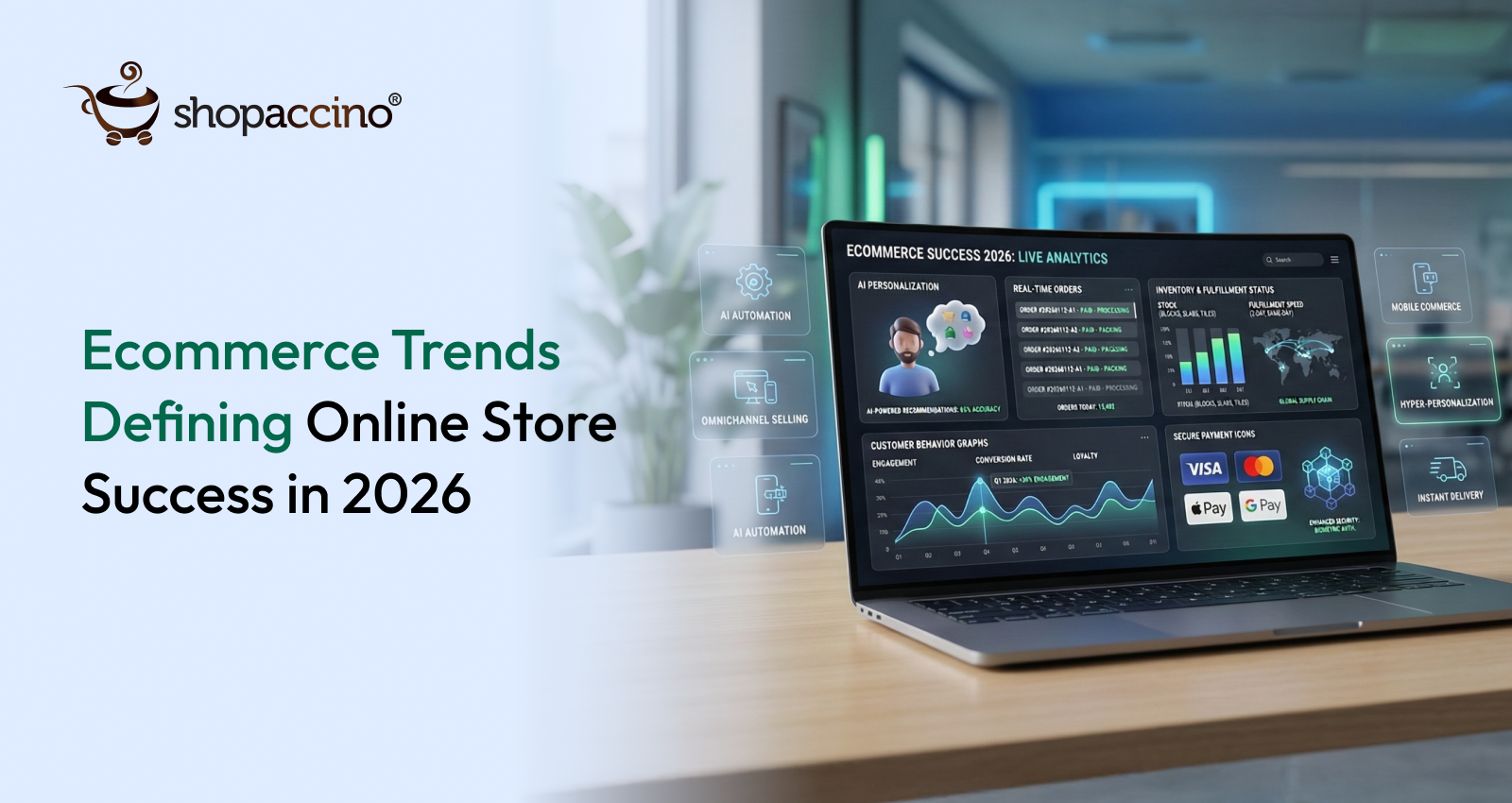
Top 20 Ecommerce Trends 2026: What Online Stores Must Know
Ecommerce is no longer just about listing products online and running paid ads. As we move into 2026, the ecommerce ecosystem is evolving at an unprecedented pace—driven by AI innovation, mobile-first consumers, rising customer acquisition costs, and intense competition across every category.
Today’s online shoppers expect speed, personalization, security, and seamless experiences across every touchpoint—website, mobile, social media, and even customer support. Brands that fail to adapt to these changes risk losing organic visibility, repeat customers, and long-term profitability.
This in-depth guide covers the top ecommerce trends 2026, supported by data-backed insights and practical explanations of how each trend will directly impact online stores.
If you are an ecommerce founder, D2C brand owner, marketer, wholesaler, or online seller, this guide will help you future-proof your ecommerce business.
Why Ecommerce Trends Matter More Than Ever in 2026
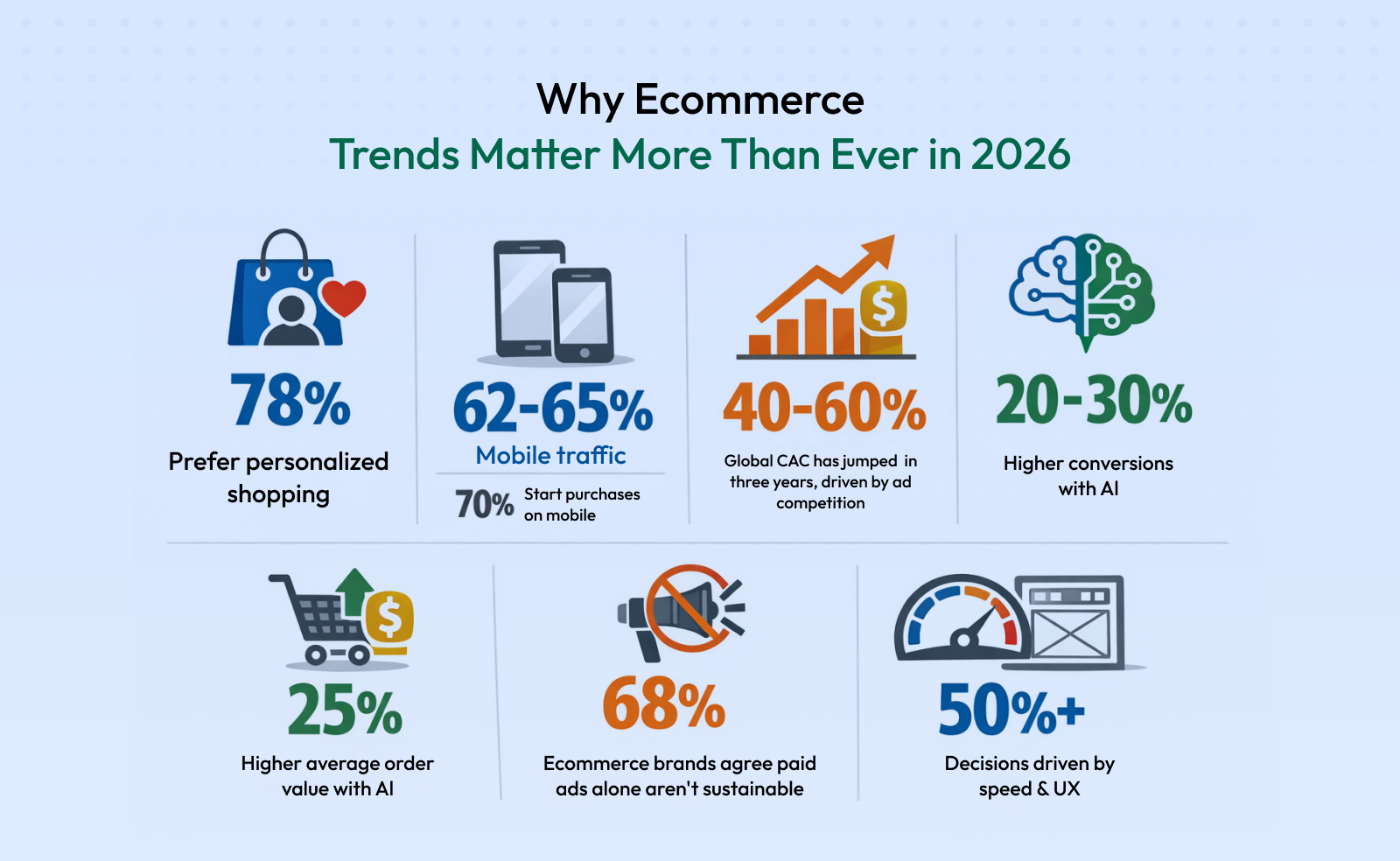
Ecommerce in 2026 operates in a highly competitive, data-driven, and customer-centric environment. Brands are no longer competing only on pricing—they are competing on experience, speed, trust, and personalization.
According to global ecommerce and digital commerce data:
- 78% of online shoppers are more likely to purchase from brands offering personalized experiences rather than generic product listings
- Mobile commerce contributes 62–65% of total ecommerce traffic, with over 70% of purchase journeys influenced by mobile touchpoints
- Customer Acquisition Costs (CAC) have increased by 40–60% globally over the last three years due to intense ad competition
- Ecommerce brands using AI-driven personalization and automation report 20–30% higher conversion rates and up to 25% higher Average Order Value (AOV)
- Nearly 68% of ecommerce brands say relying only on paid ads is no longer sustainable
- Page speed, UX, and checkout experience influence over 50% of buying decisions, more than discounts or offers
Conclusion is clear:
In 2026, ecommerce trends are not “nice-to-have innovations”—they are survival strategies for traffic, trust, and profitability.
Top 20 Ecommerce Trends to Watch in 2026
AI-Powered Personalization Becomes the Backbone of Ecommerce
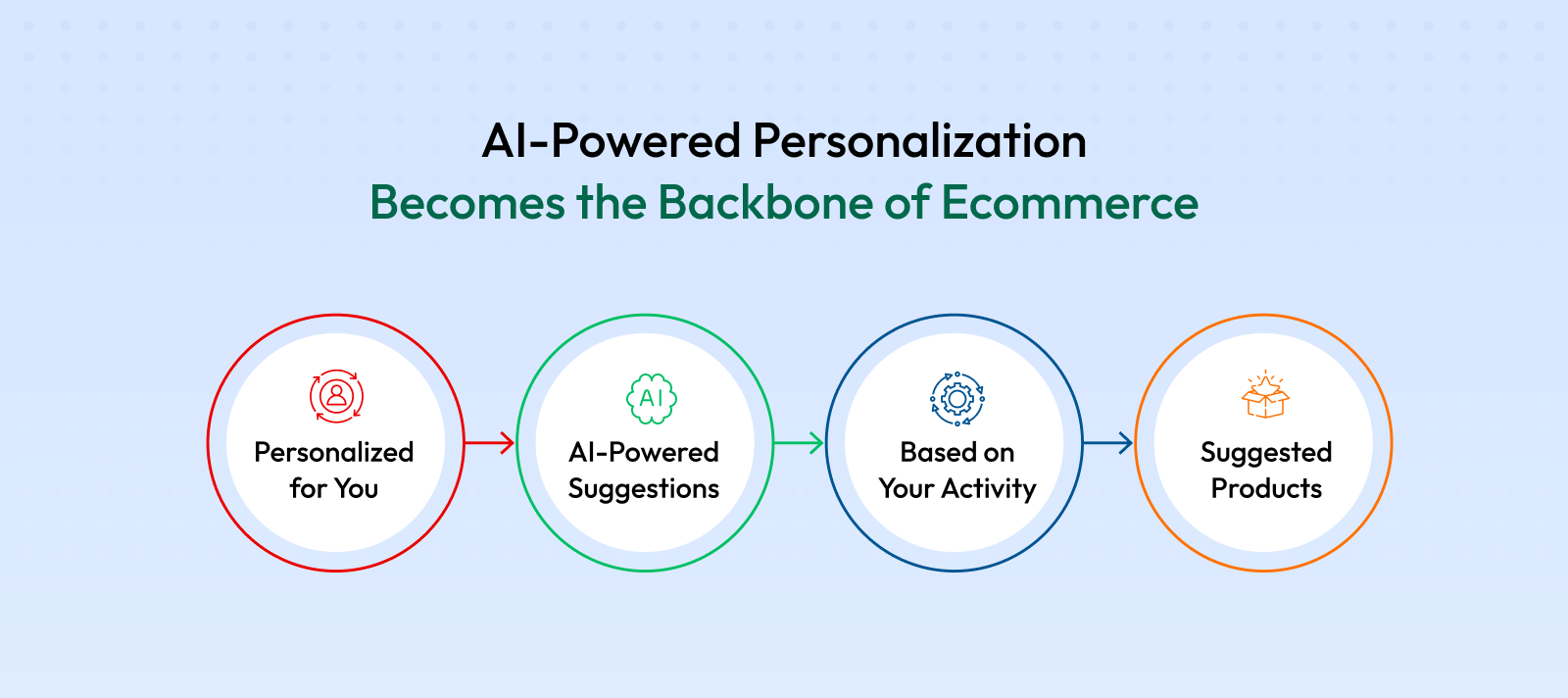
In 2026, ecommerce personalization evolves from a “nice feature” into the core engine driving customer engagement and revenue. Shoppers now expect online stores to understand their preferences, intent, and behavior in real time. AI-powered personalization enables brands to deliver tailored experiences that feel relevant rather than promotional.
Instead of showing the same products to every visitor, AI dynamically adjusts content, recommendations, and offers based on individual user data.
Key personalization capabilities include:
- Personalized homepages for different users
- Dynamic product recommendations
- AI-driven email, SMS, and push notification targeting
- Personalized pricing and offers based on behavior
Key stats:
- Personalized recommendations drive up to 35% of ecommerce revenue
- AI-powered personalization improves retention by 15–20%
Impact:
Stores without AI-driven personalization will struggle with engagement, repeat purchases, and long-term customer loyalty.
Zero-Commission Ecommerce Platforms Gain Massive Adoption
Top 20 Ecommerce Trends to Watch in 2026
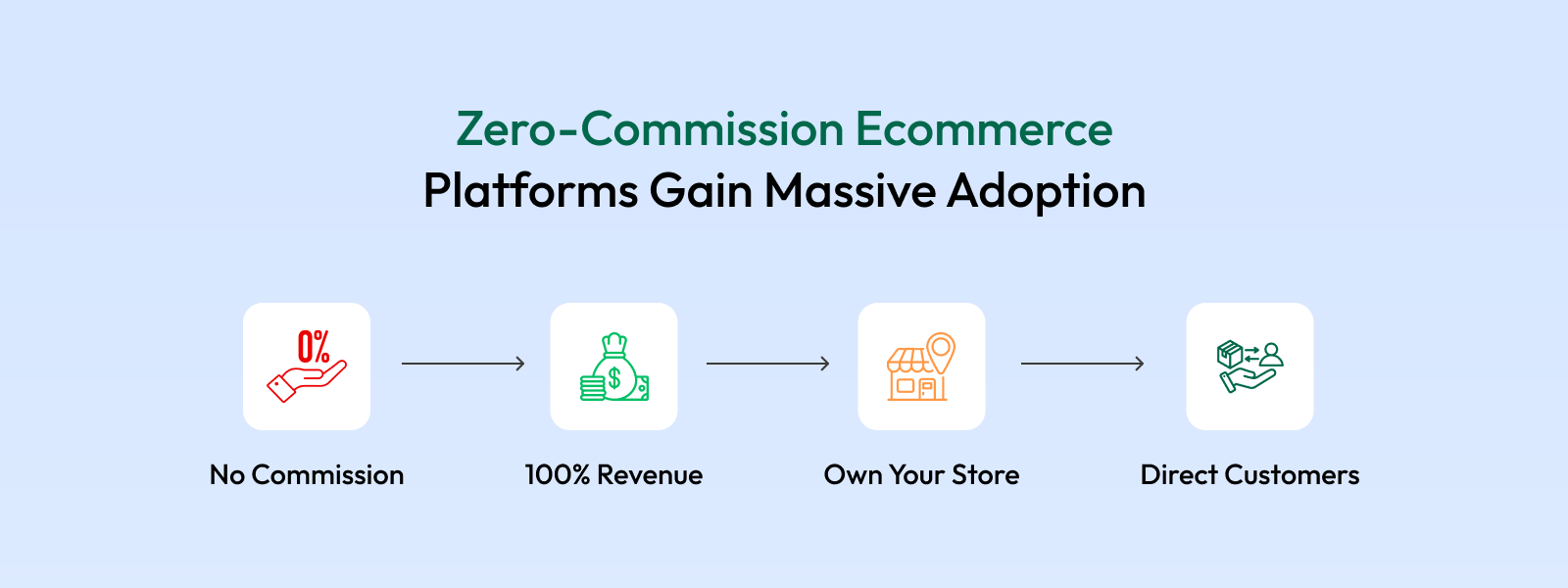
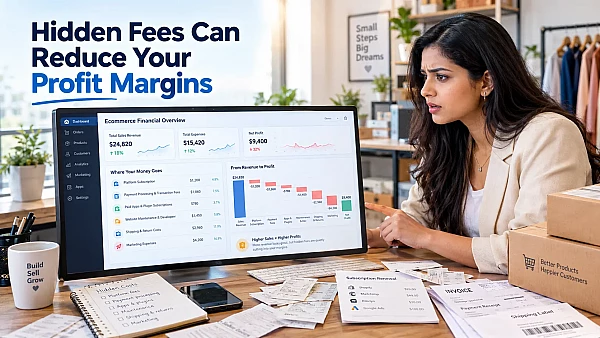
As marketplace fees continue to rise, sellers in 2026 are actively moving toward zero-commission, brand-owned ecommerce platforms. High commissions eat into profits and limit control over branding, pricing, and customer relationships.
Brand-owned stores allow sellers to operate independently while building direct, long-term relationships with their customers.
Key benefits include:
- No commission per sale
- Full ownership of customer data
- Better branding and loyalty-building opportunities
Key stats:
- Marketplace commissions range between 15–40%
- Brand-owned stores generate 20–30% higher net profit margins
Impact:
Sellers gain pricing flexibility, stronger brand identity, and long-term scalability without marketplace dependency.
Mobile-First Ecommerce Becomes the Default Standard
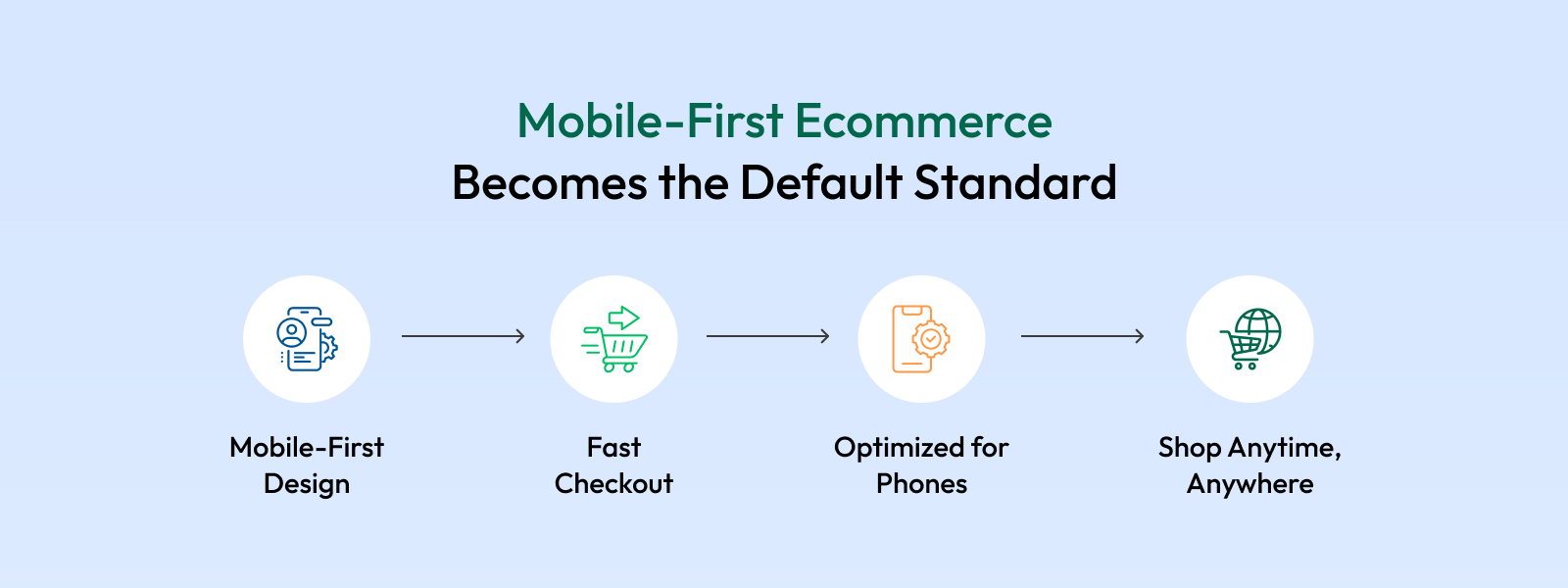
Mobile devices are now the primary gateway to ecommerce discovery and purchases. By 2026, mobile-first design is the default standard, not an optimization step. Customers expect seamless browsing, quick loading, and frictionless checkout on smartphones.
A poor mobile experience directly leads to lost traffic and sales.
Mobile-first best practices include:
- Thumb-friendly navigation and layouts
- Faster mobile load times
- Simplified mobile checkout flows
Key stats:
- 72% of users abandon non-mobile-friendly websites
- Mobile-optimized stores convert 1.5–2x better
Impact:
Mobile UX directly influences search rankings, bounce rates, and overall revenue performance.
Progressive Web Apps (PWA) Replace Traditional Mobile Apps
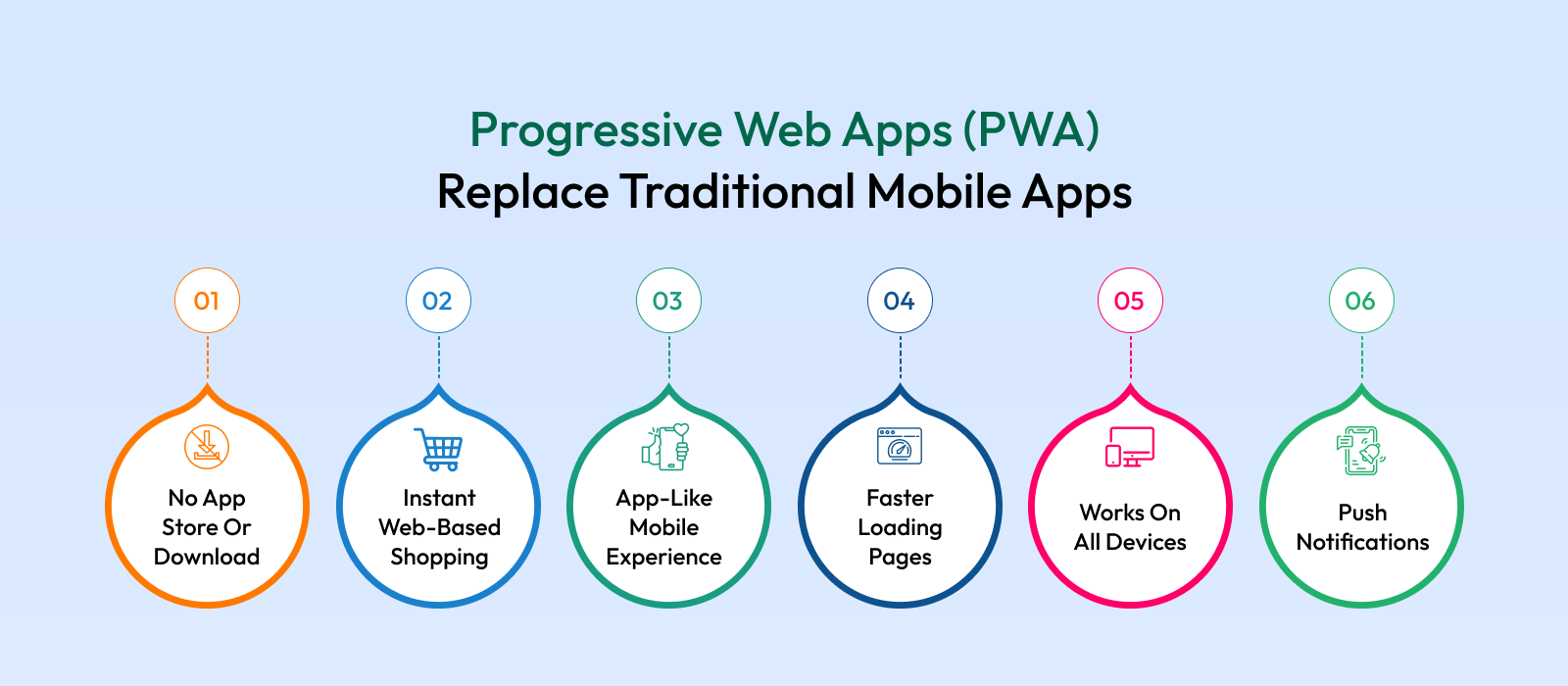
Progressive Web Apps (PWAs) are gaining popularity as they deliver app-like experiences without app-store limitations. In 2026, many ecommerce brands prefer PWAs over traditional mobile apps due to cost-efficiency and performance benefits.
PWAs provide speed, reliability, and engagement without requiring downloads.
Core PWA advantages include:
- Faster loading and smooth performance
- Offline access and caching
- Push notifications for re-engagement
- Lower development and maintenance costs
Key stats:
- PWAs improve load speed by 30–50%
- Conversion rates increase by up to 20%
Impact:
PWAs deliver high-performance mobile experiences while significantly reducing development costs.
“No App Download”
“Fast Loading”
“Works Offline”
“App-like Experience”
Voice Commerce Slowly Enters the Mainstream
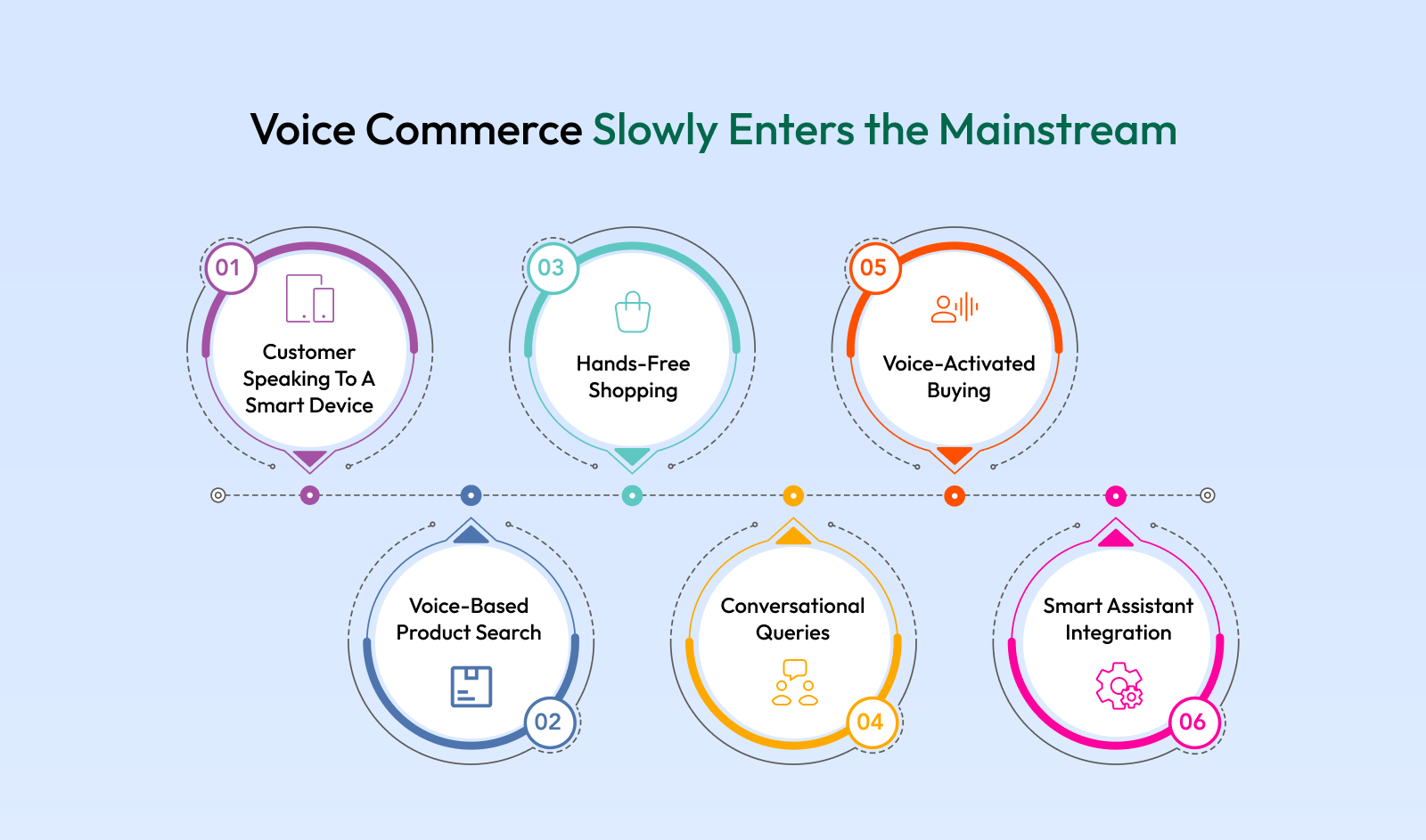
Voice commerce is gradually becoming part of everyday ecommerce interactions, especially for search, reorders, and local discovery. As voice assistants become more accurate and widely adopted, customers are increasingly comfortable using voice commands to interact with online stores.
Voice search queries are conversational and intent-driven, requiring a new approach to content and SEO.
Voice commerce trends include:
- Conversational search queries
- Long-tail, intent-based keyword usage
- Voice-enabled product discovery
Key stats:
- 40%+ internet users use voice search daily
- Voice commerce projected to cross $80 billion globally
Impact:
Voice-optimized content improves discoverability and prepares brands for the next phase of search evolution.
AI Chatbots Replace Traditional Customer Support
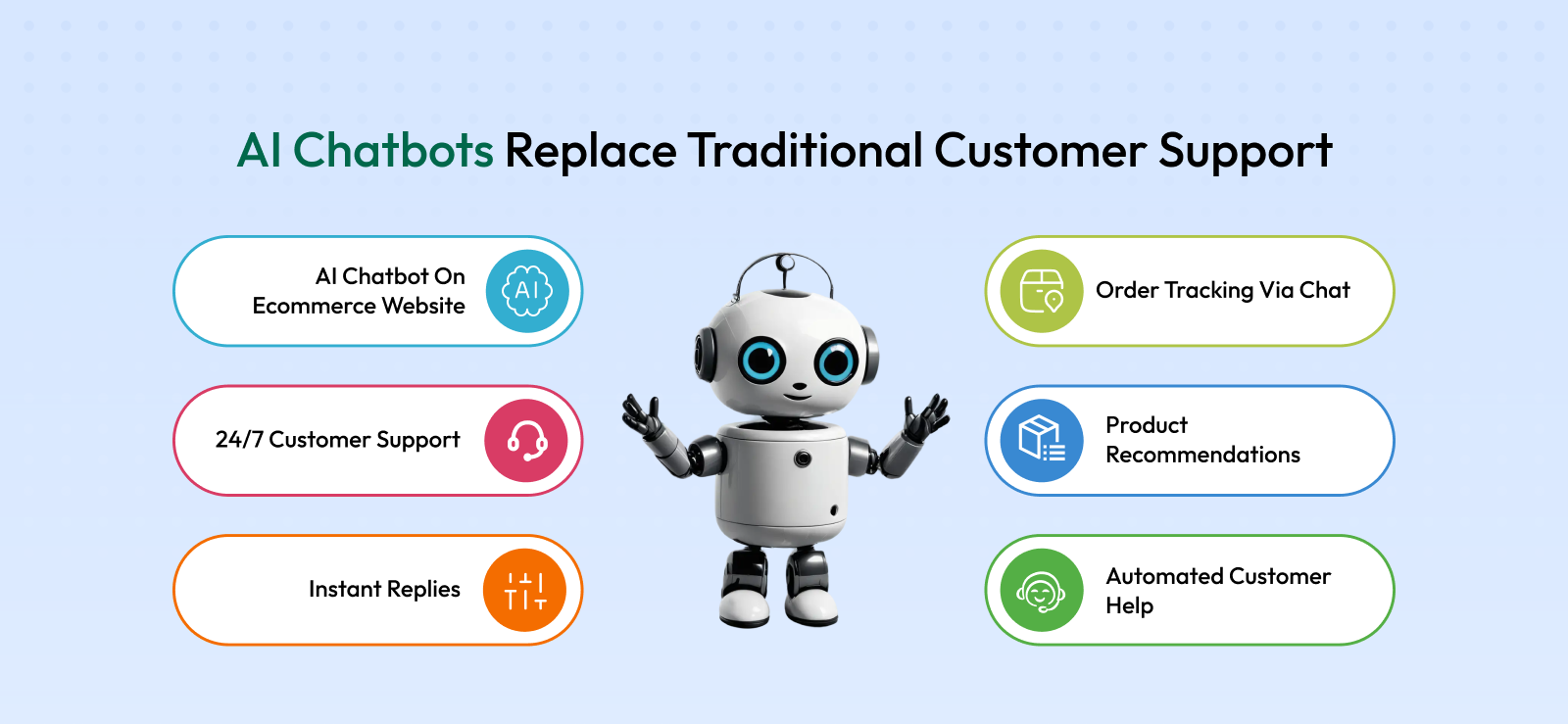
Customer support in 2026 is increasingly powered by AI-driven conversational chatbots. These systems are no longer limited to basic FAQs—they actively assist with product discovery, order updates, and post-purchase support.
AI chatbots help brands scale support without increasing costs.
Key chatbot capabilities include:
- 24/7 customer support availability
- Instant order tracking and FAQs
- Product recommendations within chat
Key stats:
- Customer support costs reduce by 30–50%
- Instant responses increase conversions by 20%
Impact:
Faster, intelligent support improves trust, satisfaction, and sales while reducing operational costs.
Checkout Optimization Becomes a Revenue Multiplier
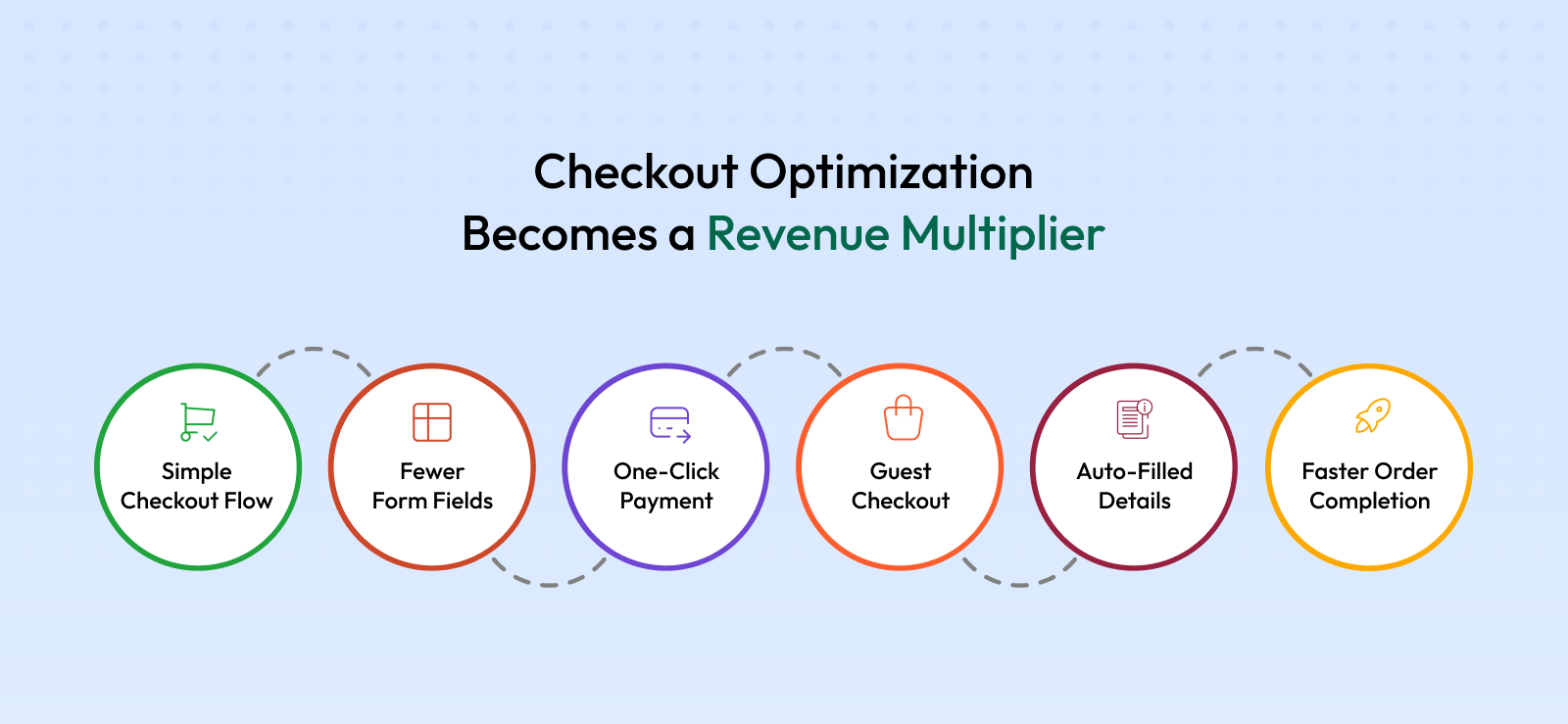
Checkout is the most critical stage of the ecommerce journey—and also the most fragile. In 2026, brands aggressively focus on removing friction from checkout flows to prevent cart abandonment.
Even small improvements in checkout UX can deliver significant revenue growth.
Checkout optimization strategies include:
- Fewer form fields
- Guest checkout options
- Auto-filled addresses
- One-click and express payments
Key stats:
- 69% of carts are abandoned globally
- Simplified checkout reduces abandonment by 20–35%
Impact:
Checkout optimization delivers immediate, measurable revenue gains without increasing traffic spend.
UPI, Wallets & BNPL Dominate Indian Ecommerce
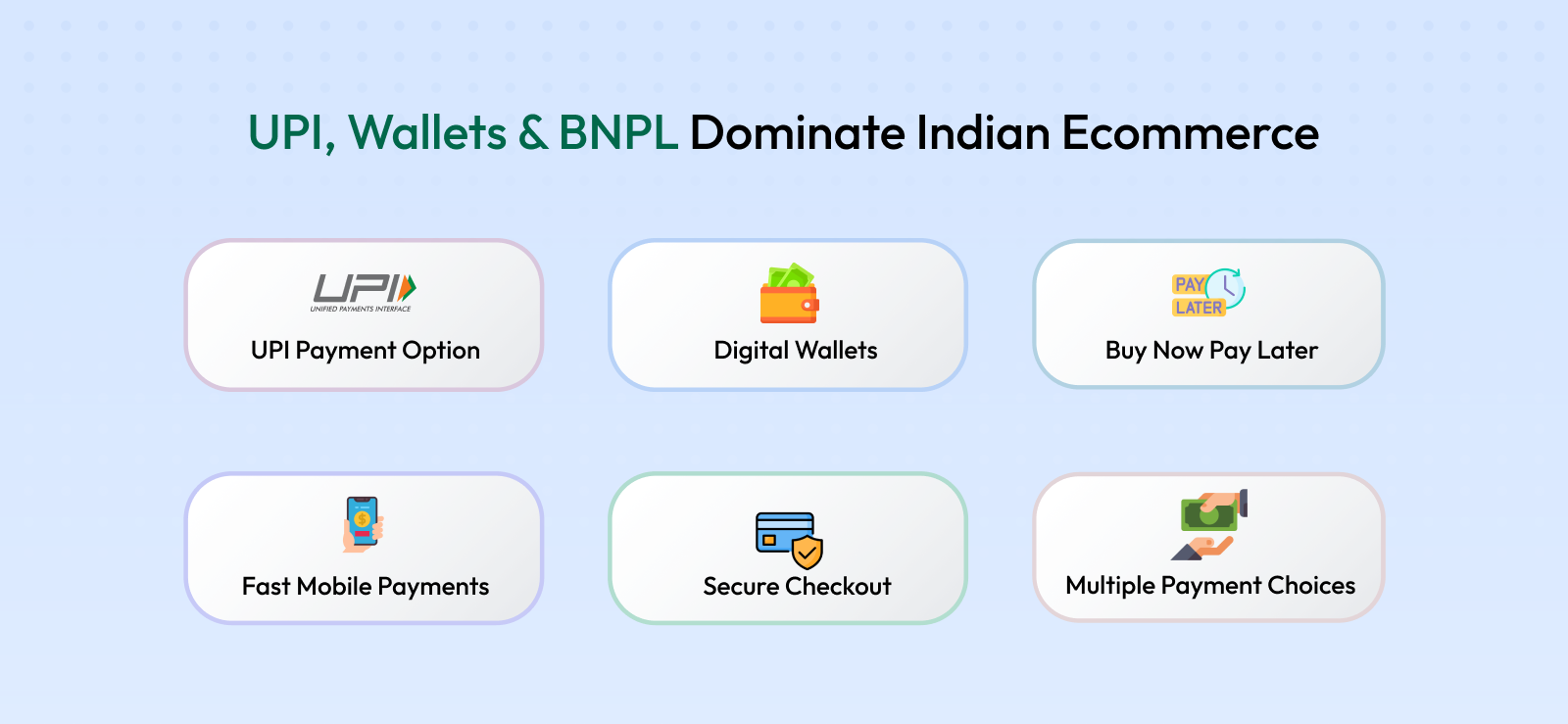
In the Indian ecommerce ecosystem, payment flexibility plays a major role in conversion success. Customers expect fast, secure, and familiar payment options.
By 2026, UPI, wallets, and Buy Now Pay Later (BNPL) options dominate ecommerce transactions.
Key payment trends include:
- UPI, wallets, cards, and BNPL options
- Faster, frictionless checkout
- Trust-building and localized payment methods
Key stats:
- UPI accounts for 75%+ of digital transactions
- BNPL users show 30% higher repeat purchases
Impact:
Offering flexible payment options significantly increases checkout completion rates.
Social Commerce Becomes a Primary Sales Channel
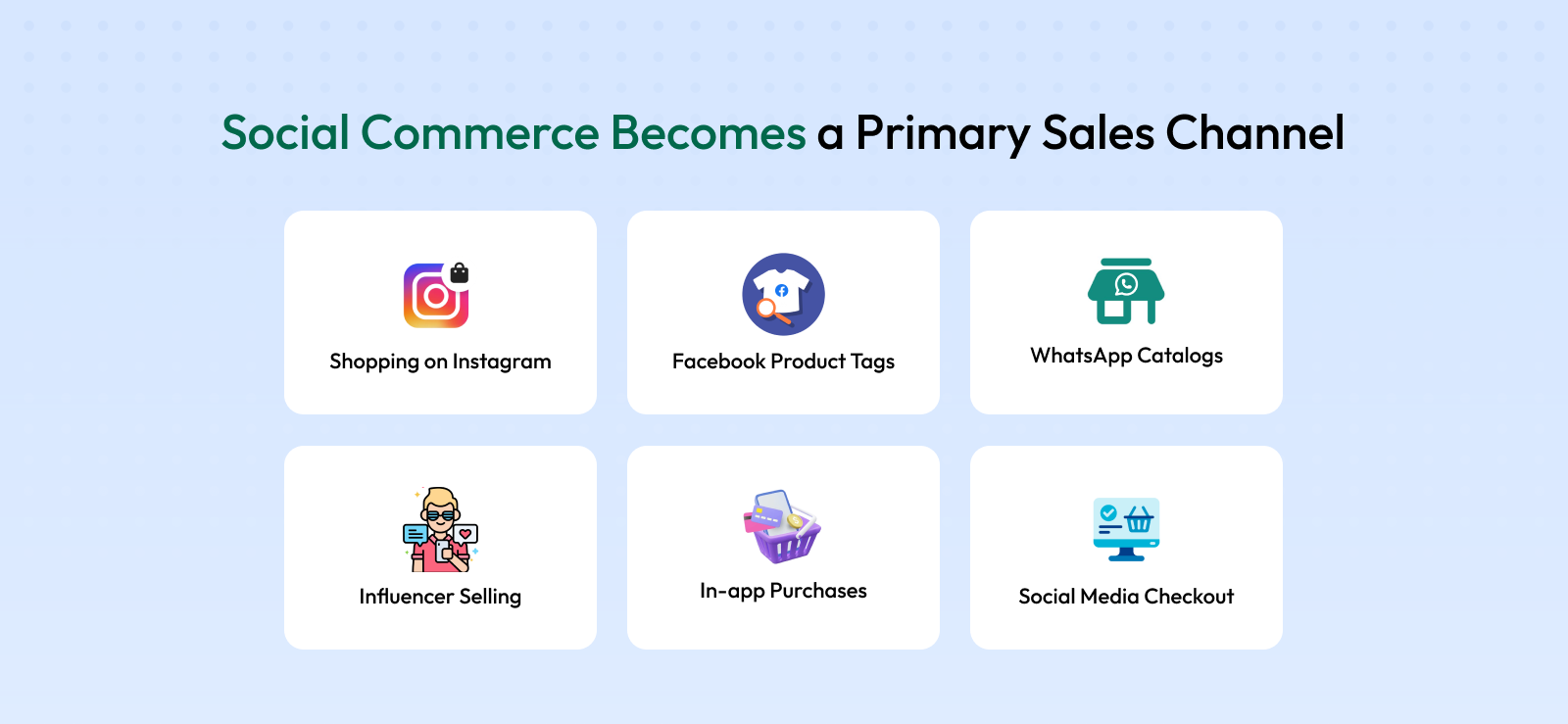
Social platforms are no longer limited to awareness and engagement. In 2026, social commerce emerges as a primary revenue channel for ecommerce brands.
Customers discover, evaluate, and purchase products directly within social platforms.
Key social commerce drivers include:
- Instagram and Facebook shopping
- WhatsApp product catalogs
- Influencer-driven recommendations and conversions
Key stats:
- Social commerce influences 50%+ of buying decisions
Impact:
Social integration unlocks new traffic sources, improves conversion rates, and shortens the customer journey.
Content-Driven Ecommerce Outperforms Ads-Only Brands
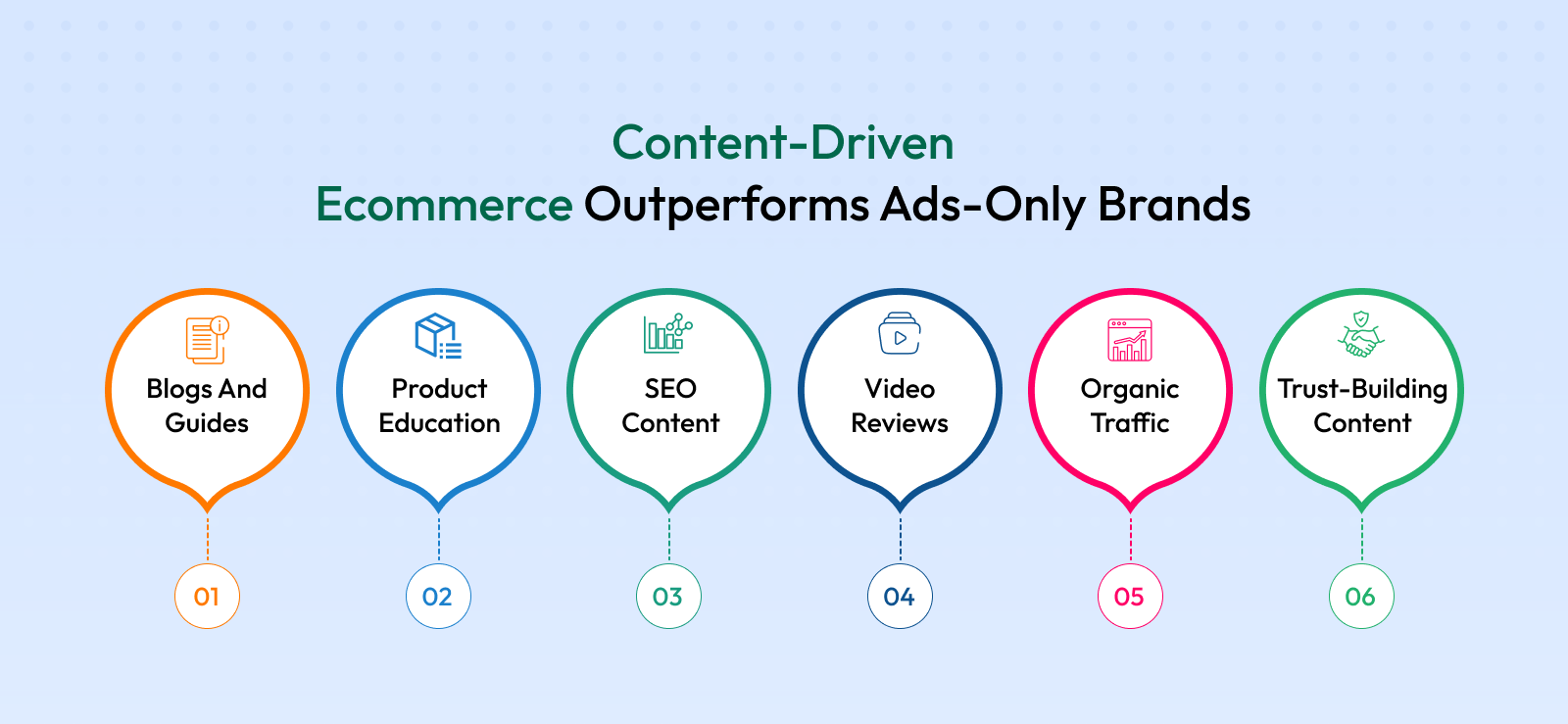
In 2026, ecommerce growth is no longer driven only by paid ads. Rising ad costs and declining trust have made content the foundation of sustainable ecommerce growth. Shoppers want to research, compare, and understand products before making a purchase, and content plays a crucial role in influencing their decision.
Content-driven ecommerce focuses on educating first and selling later, helping brands build authority, trust, and long-term organic visibility.
Content builds trust before selling through:
- Blogs that answer customer questions
- Buying guides that reduce confusion
- Videos that demonstrate real product usage
- SEO content that attracts high-intent traffic
Key stats:
- Content-led brands generate 3x more organic traffic than ads-only brands
Impact:
Content reduces customer acquisition cost (CAC), builds credibility, and delivers consistent long-term growth without heavy ad dependency.
Ecommerce SEO Shifts to Search Intent & Experience
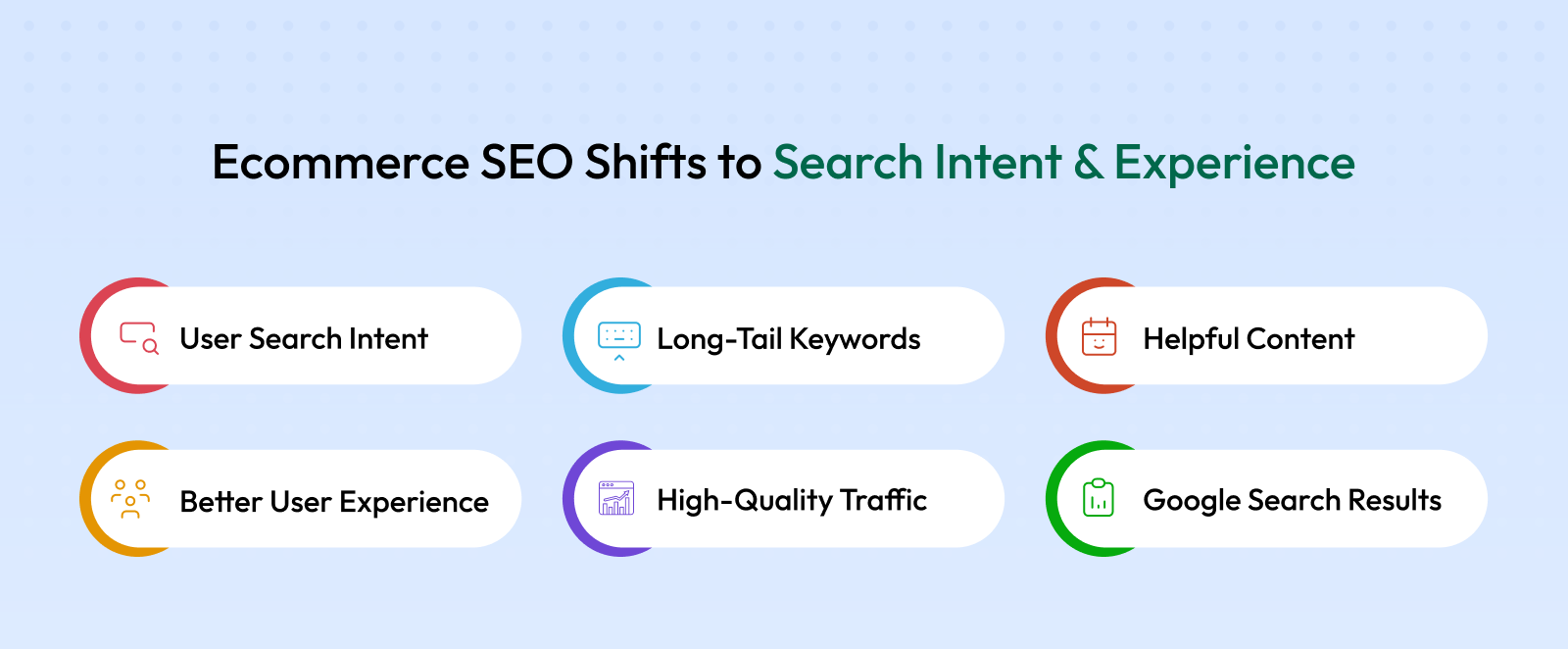
SEO in 2026 is no longer about keyword stuffing or ranking for short, generic terms. Google now prioritizes search intent, content usefulness, and real user experience. Ecommerce brands must align content with what users actually want to know, not just what they want to sell.
Modern ecommerce SEO focuses on solving problems, answering questions, and guiding users through the buying journey.
Key focus areas include:
- Long-tail and intent-driven keywords
- Balanced informational and transactional content
- EEAT (Experience, Expertise, Authority, Trust) optimization
Key stats:
- Long-tail keywords convert 2.5x better than broad keywords
Impact:
SEO becomes a direct revenue channel that attracts high-quality, purchase-ready traffic—not just visitors.
Page Speed Directly Impacts Conversions
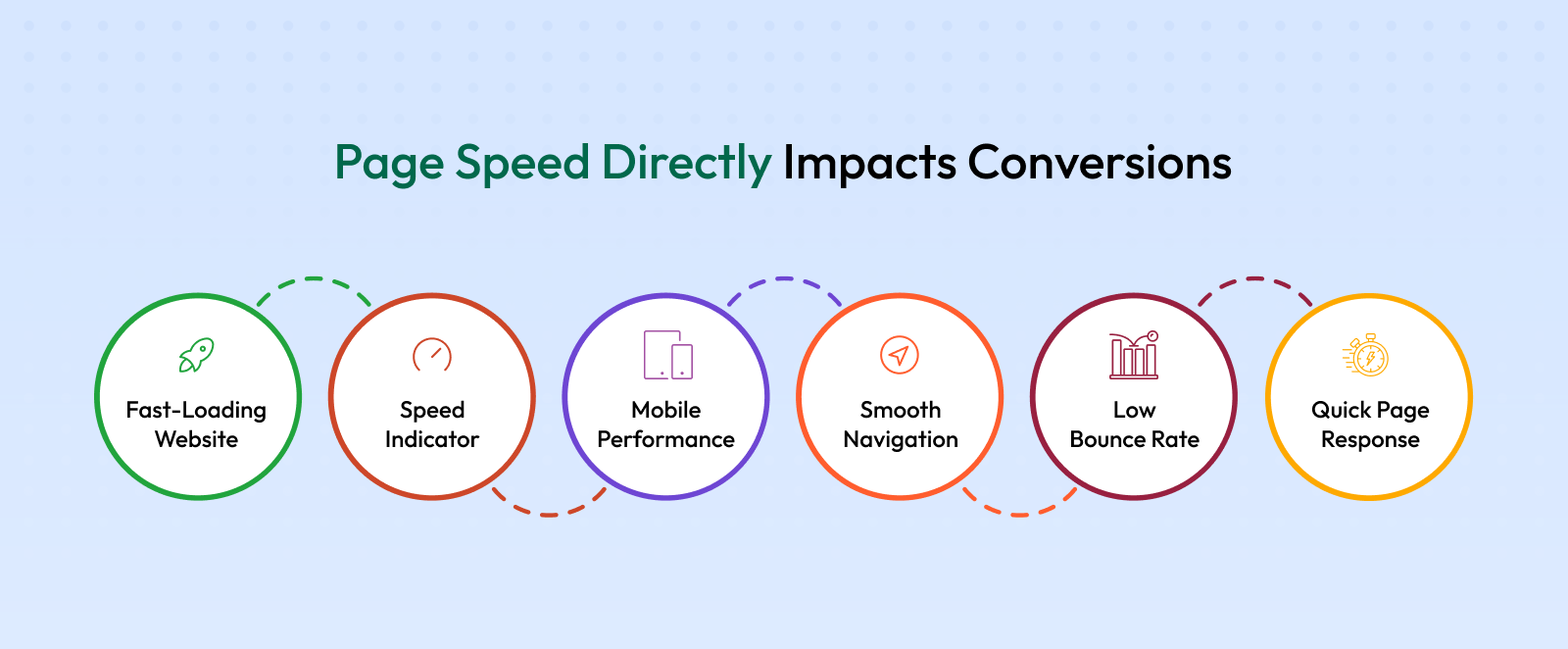
In 2026, page speed is not just a technical metric—it is a trust signal and conversion factor. Users expect instant loading, especially on mobile devices. Slow websites create frustration, reduce engagement, and increase bounce rates.
Search engines and customers both reward fast websites with higher rankings and better conversions.
Key speed-related factors include:
- Faster page load times
- Smooth navigation and better UX
- Improved search engine rankings
Key stats:
- A 1-second delay causes 7–10% loss in conversions
Impact:
Faster ecommerce websites rank higher, retain users longer, and generate more sales with the same traffic.
Security & Data Privacy Become Trust Signals
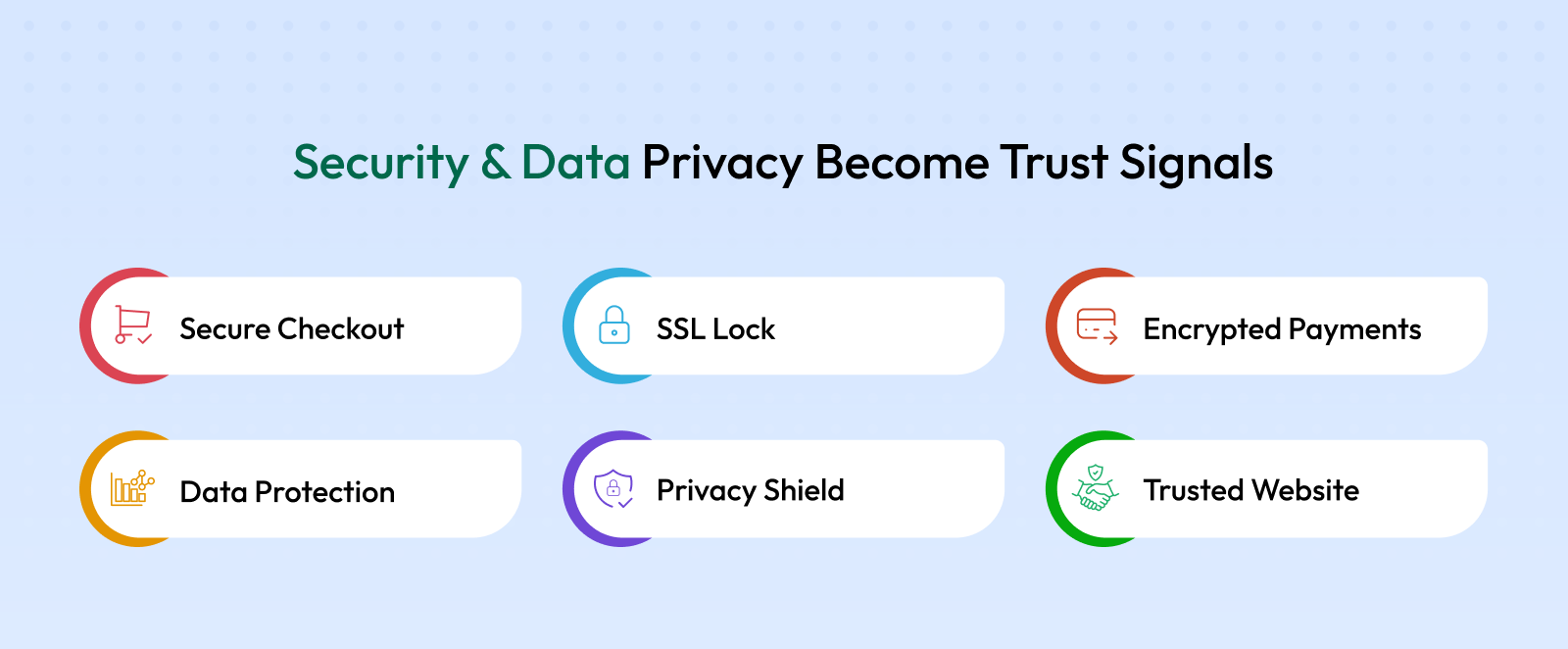
As online fraud and data breaches increase, customers in 2026 are extremely cautious about where they shop. Security and privacy are no longer backend features—they are front-facing trust signals.
Ecommerce brands must clearly communicate safety and compliance to earn customer confidence.
Key security elements include:
- SSL certificates and secure browsing
- Trusted and encrypted payment gateways
- Transparent privacy and data usage policies
Key stats:
- 85% of users abandon websites that lack visible trust indicators
Impact:
Strong security builds trust, reduces cart abandonment, and improves long-term customer loyalty.
Headless Commerce Gains Momentum
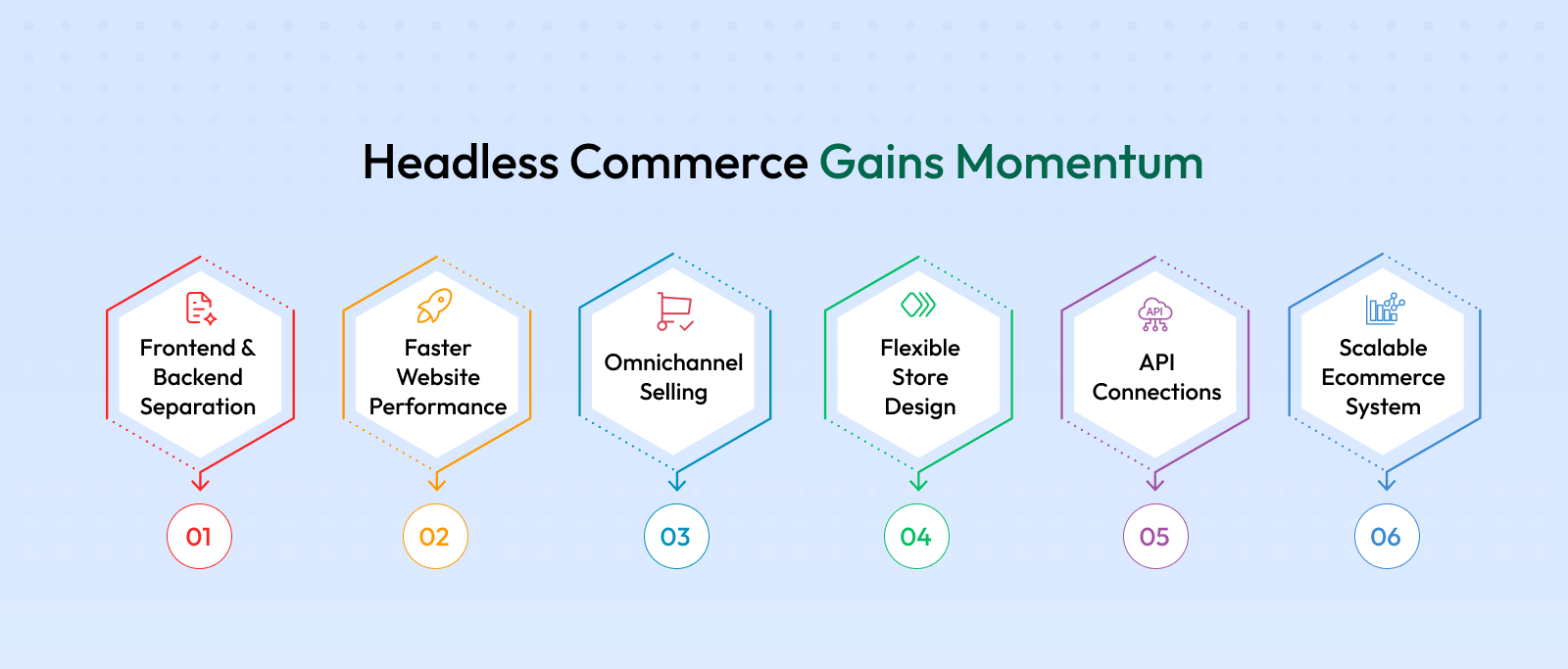
Headless commerce is gaining rapid adoption as ecommerce brands demand greater flexibility, performance, and scalability. By separating the frontend from the backend, businesses can deliver faster, customized experiences across multiple channels.
This architecture is especially valuable for brands planning omnichannel and international expansion.
Key benefits include:
- Faster frontend performance
- Easier third-party integrations
- Omnichannel and device-ready experiences
Key stats:
- Headless commerce improves performance by 30–40%
Impact:
Headless commerce is ideal for fast-growing ecommerce brands that need speed, innovation, and scalability.
Smart Inventory Automation Reduces Revenue Leakage
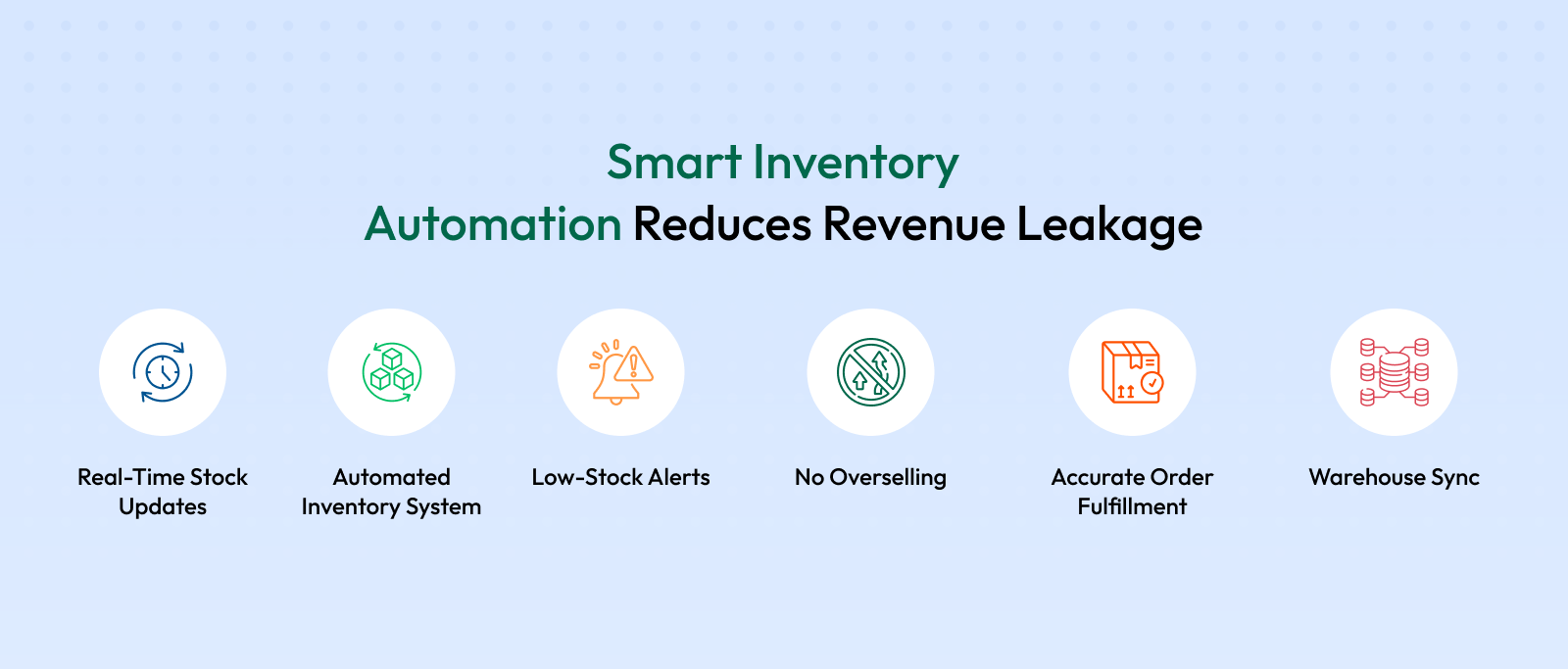
Inventory mismanagement is one of the biggest silent profit killers in ecommerce. In 2026, manual inventory tracking leads to overselling, cancellations, refunds, and poor customer experiences.
Smart inventory automation ensures accuracy, efficiency, and scalability.
Key automation features include:
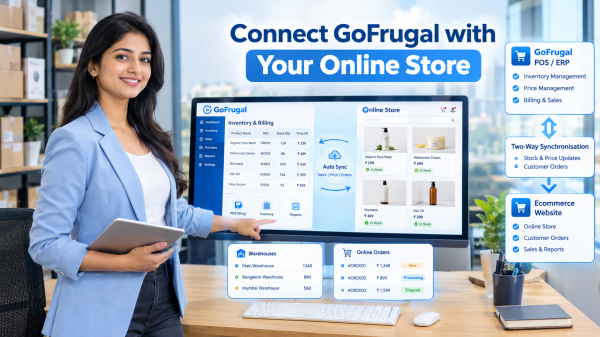
- Real-time stock synchronization
- Automated low-stock alerts
- Reduced overselling and refunds
Key stats:
- Poor inventory management causes 20–30% revenue loss
Impact:
Inventory automation improves operational efficiency, customer satisfaction, and overall profitability.
Faster & Hyperlocal Delivery Becomes a Competitive Edge
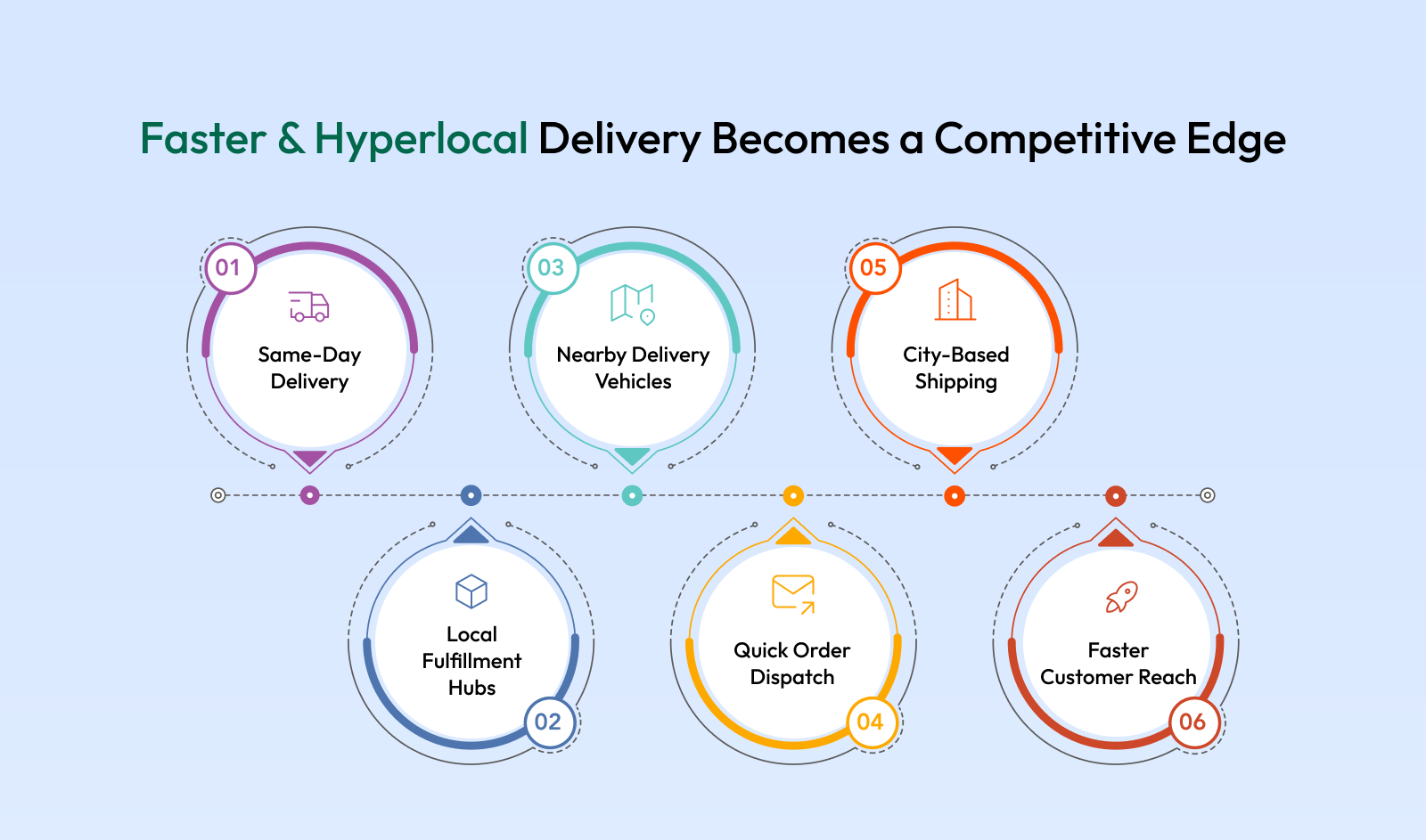
Delivery speed has become a major decision factor for online shoppers. In 2026, customers increasingly choose brands that can deliver faster, even at a slightly higher cost.
Hyperlocal fulfillment and faster shipping options help brands stand out in crowded markets.
Key delivery trends include:
- Same-day or next-day delivery
- Local fulfillment centers and hubs
Key stats:
- 41% of shoppers are willing to pay extra for same-day delivery
Impact:
Logistics and delivery speed become a powerful differentiator for customer acquisition and retention.
Sustainability Influences Buying Decisions
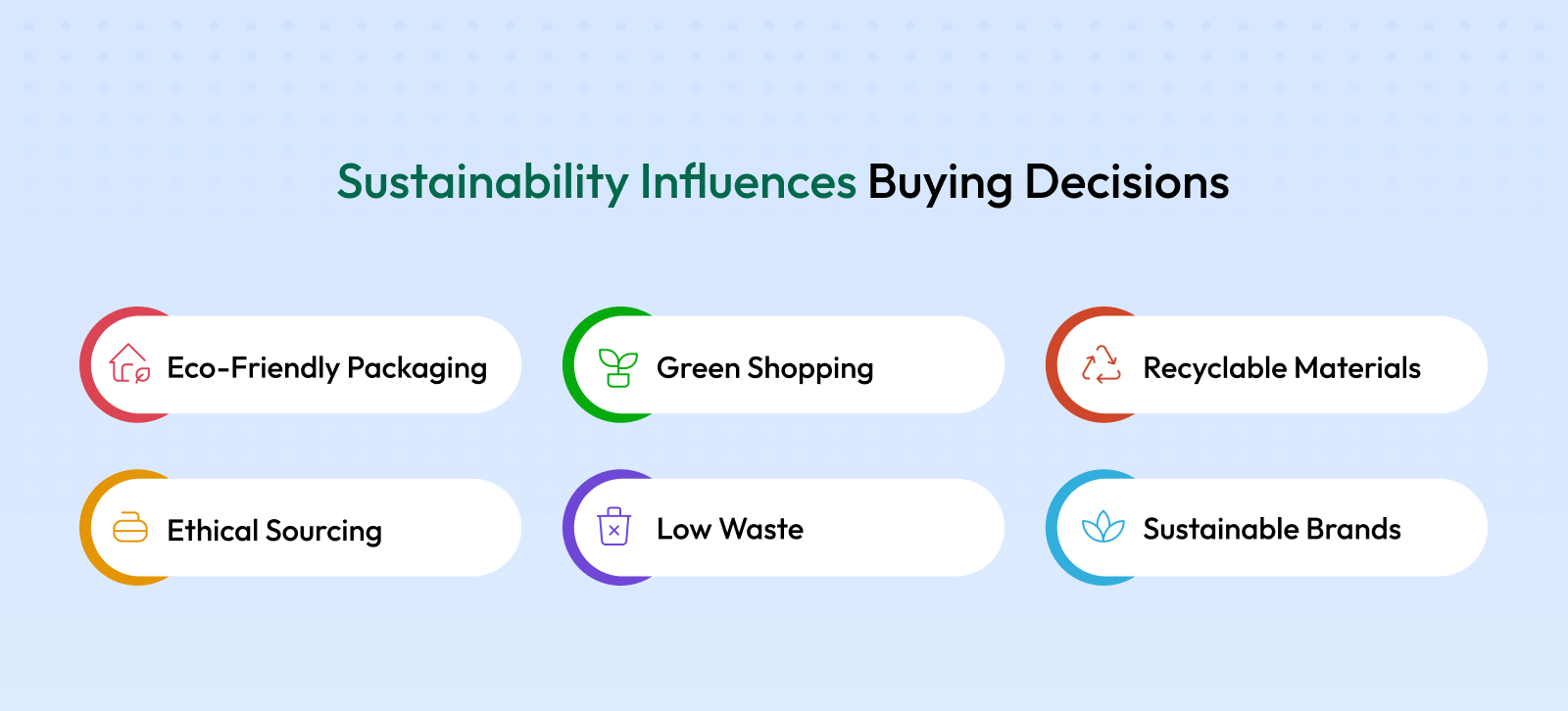
Modern consumers are more environmentally conscious than ever. In 2026, sustainability is no longer just a brand value—it is a purchase decision factor.
Customers prefer brands that align with their ethical and environmental beliefs.
Key sustainability practices include:
- Eco-friendly and minimal packaging
- Ethical sourcing and manufacturing
- Transparent sustainability communication
Key stats:
- 60%+ consumers prefer to buy from sustainable brands
Impact:
Sustainability builds emotional loyalty, trust, and positive brand perception.
Subscription-Based Ecommerce Models Expand
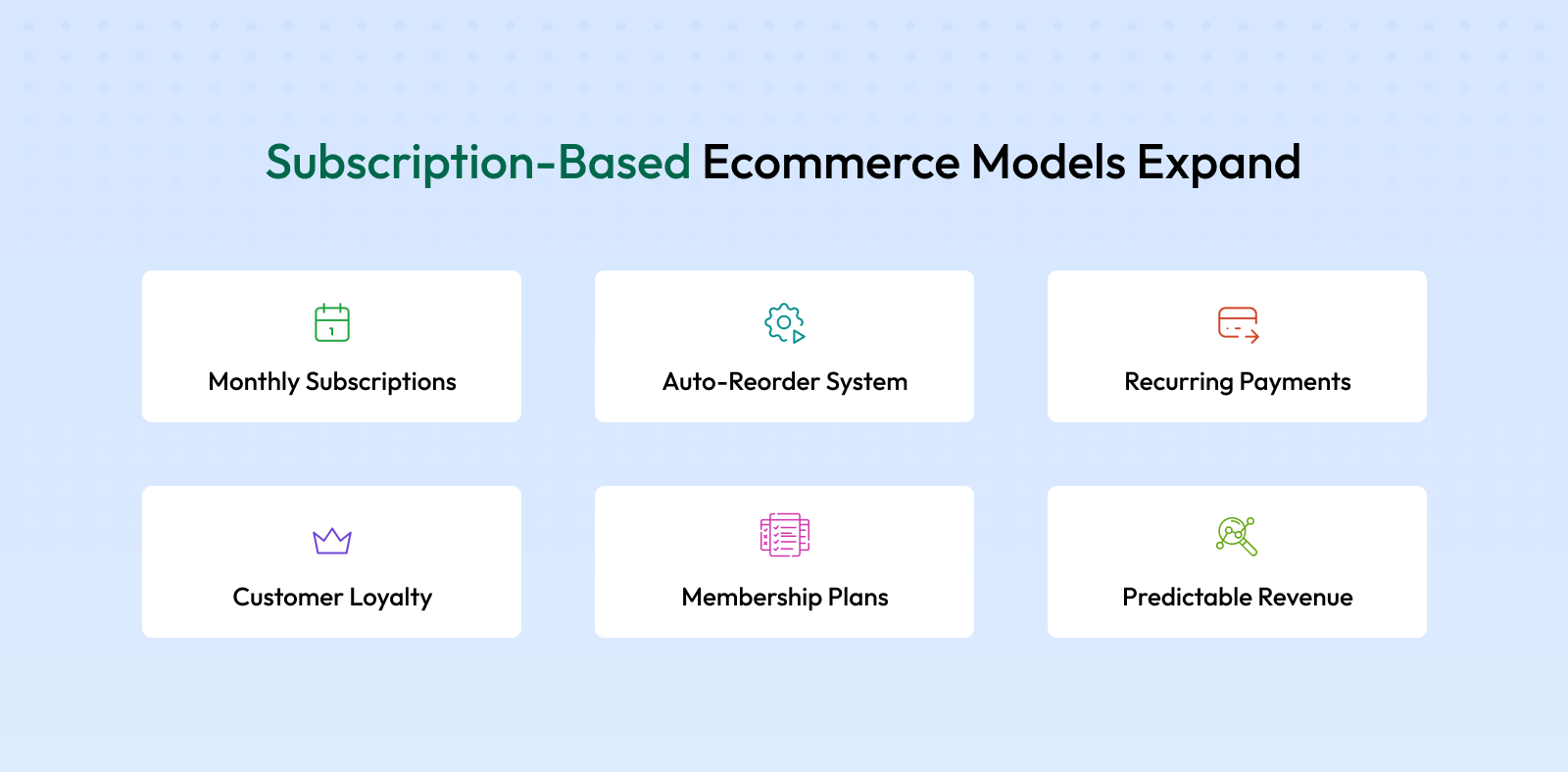
Subscription ecommerce continues to grow as brands focus on predictable revenue and long-term customer relationships. Subscriptions reduce churn and increase lifetime value by locking in repeat purchases.
This model works especially well for consumables, personal care, and essentials.
Key subscription strategies include:
- Auto-replenishment plans
- Membership-based discounts and perks
Key stats:
- Subscribers have 2–3x higher lifetime value than one-time buyers
Impact:
Recurring revenue stabilizes cash flow and improves business scalability.
Video Commerce Drives Higher Engagement
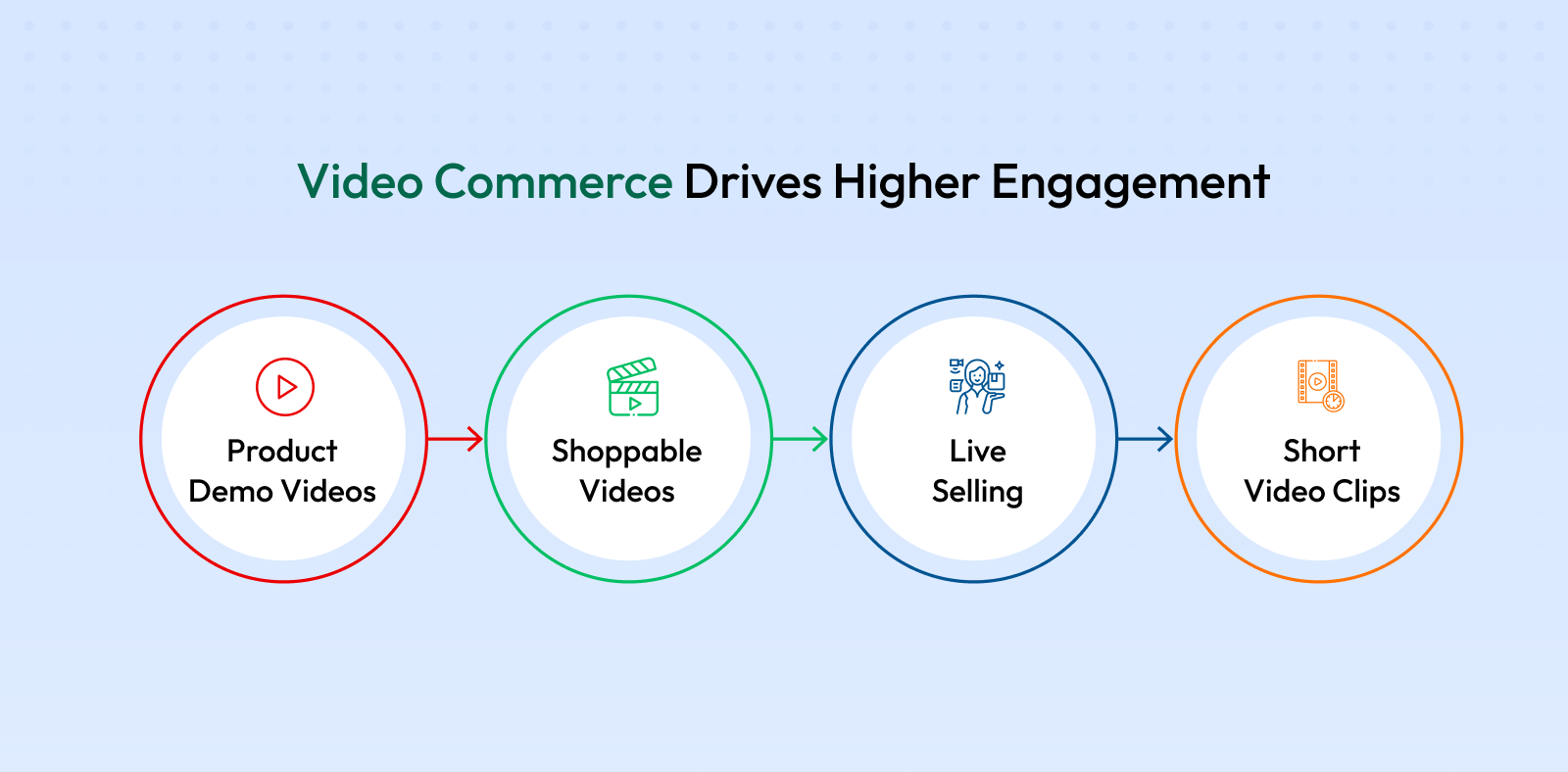
Video has become one of the most powerful tools in ecommerce. In 2026, customers rely on videos to understand products, reduce doubt, and build trust before purchasing.
Video content bridges the gap between online and in-store shopping experiences.
Popular video formats include:
- Product demos and walkthroughs
- Explainer and comparison videos
- Short-form reels and shoppable videos
Key stats:
- Product videos boost conversions by up to 80%
Impact:
Video shortens the buying cycle and increases conversion confidence.
Brand-Owned Ecommerce Stores Win Over Marketplaces
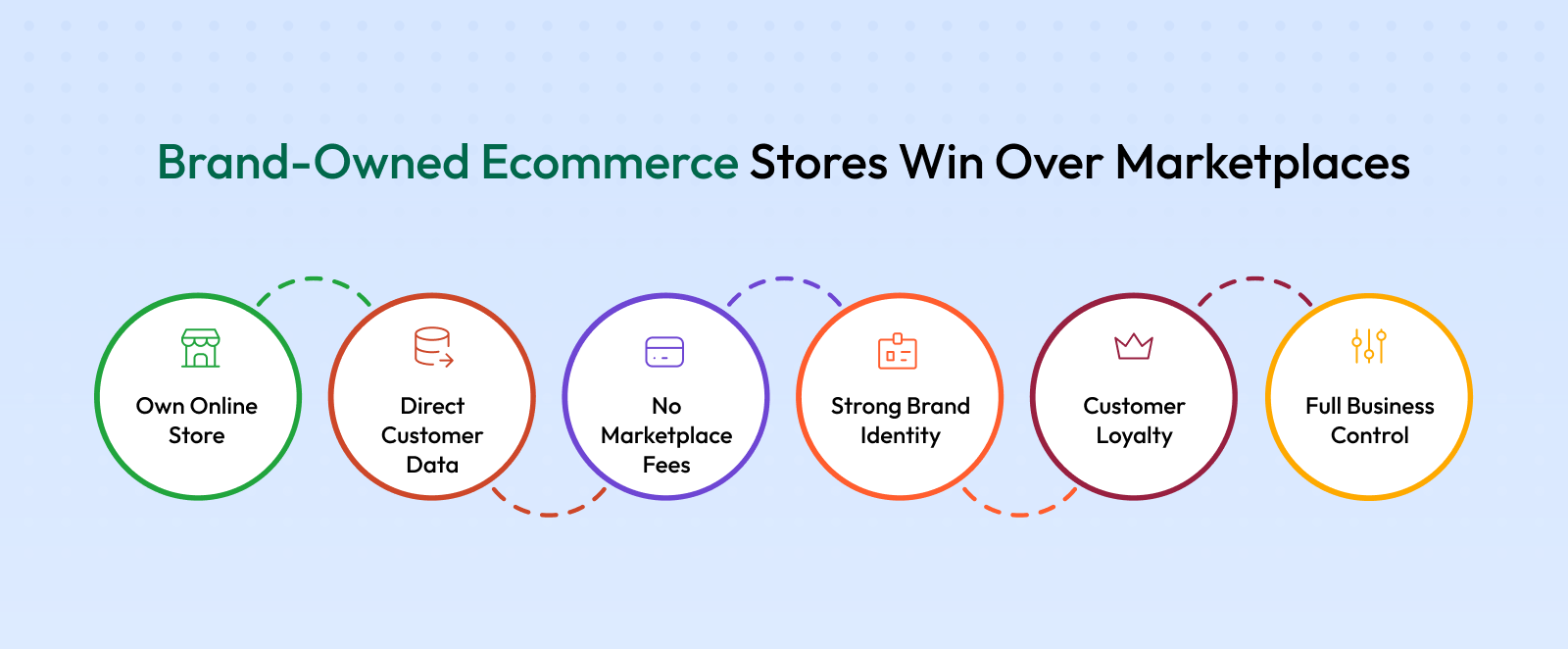
While marketplaces still offer reach, many sellers in 2026 are prioritizing brand-owned ecommerce stores to gain independence and long-term stability.
Owning the customer relationship allows brands to build loyalty beyond price competition.
Key advantages include:
- Direct access to customer data
- Better control over branding and pricing
- Long-term business stability
Key stats:
Brand-owned stores show higher repeat purchase rates than marketplace-only sellers
Final Thoughts: Preparing Your Ecommerce Store for 2026
The ecommerce brands that will dominate 2026 are not those spending the most on ads—but those building smarter, faster, and more customer-centric businesses.
Winning brands will:
- Invest in AI, automation, and personalization
- Prioritize mobile-first UX and fast checkout
- Build organic traffic through SEO and content
- Reduce dependency on marketplaces and paid ads
- Own customer data and relationships
Ecommerce is shifting from selling more products to selling smarter experiences.
Brands that align early with these ecommerce trends will enjoy higher margins, stronger loyalty, and long-term scalable growth—while others struggle to keep up.
FAQs
Yes, for most brands. Zero-commission ecommerce platforms eliminate high marketplace fees (15–40%), give full control over branding and pricing, and allow direct customer relationships. This results in 20–30% higher profit margins for sellers.
AI-powered personalization uses customer behavior, browsing history, location, and preferences to show personalized products, offers, emails, and content in real time. In 2026, personalization is a core revenue driver rather than an optional feature.
Ecommerce in 2026 will become more personalized, mobile-driven, AI-powered, and brand-owned. Businesses will rely less on marketplaces and more on direct-to-consumer (D2C) models, automation, and customer data ownership to stay profitable and competitive.
Social commerce enables users to discover and purchase products directly on platforms like Instagram, Facebook, and WhatsApp. It influences over 50% of buying decisions and shortens the customer journey.
Yes. In 2026, ecommerce brands can sell directly using Instagram Shops, Facebook Shops, and WhatsApp catalogs, enabling seamless product discovery and checkout within social platforms.
Voice commerce allows customers to search and shop using voice assistants like Alexa, Google Assistant, and Siri. With over 40% of users using voice search daily, voice commerce is steadily growing and becoming an important SEO opportunity.
UPI, digital wallets, cards, and Buy Now Pay Later (BNPL) dominate Indian ecommerce. UPI alone accounts for 75%+ of digital transactions, making it essential for conversion optimization.