What Are the Benefits of Having Your Own Mobile Shopping App?
Quick Answer
Having your own mobile shopping app puts your brand directly on your customer's phone, removes marketplace commissions, and gives you push notifications that convert at rates email never reaches. Businesses using a dedicated mobile shopping app builder consistently see higher repeat purchase rates, faster checkout completions, and full control over pricing and customer data compared to website-only or marketplace selling.
Your customers are not sitting at desks browsing websites. They are on their phones, at odd hours, placing orders while waiting for a meeting to start or while watching TV. Mobile commerce crossed 60% of all global ecommerce sales in 2023, according to Statista. That is not a trend worth waiting on.
And yet, plenty of established businesses are still relying on their website alone or a marketplace listing to reach these buyers. That gap is expensive.
A branded mobile shopping app does not just help you sell on phones. It changes the relationship you have with your customers. Here is what that actually looks like.
What Exactly Is a Mobile Shopping App Builder?
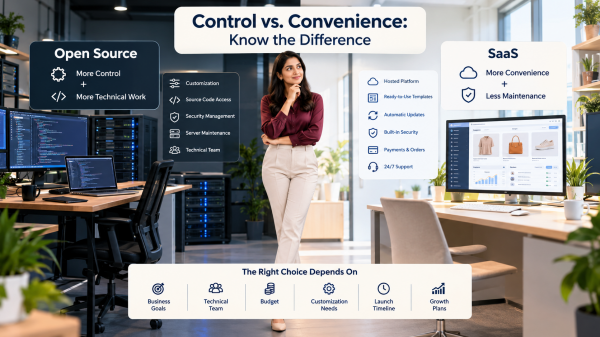
A mobile shopping app builder is a platform that lets you create and launch your own branded shopping app without writing a line of code. You upload your products, configure your pricing, apply your branding, connect a payment gateway, and you have a working app that lives on your customer's home screen.
No development agency. No six-month project. No six-figure budget.
Platforms like Shopaccino are built specifically for businesses that are already operating: manufacturers, exporters, distributors, and D2C brands that have inventory, customers, and operational complexity, and need a digital channel that matches that reality. This is not software for someone starting out. It is built for businesses that already know what they are doing and want a smarter way to reach buyers.
Why Does a Mobile App Convert So Much Better Than a Mobile Website?
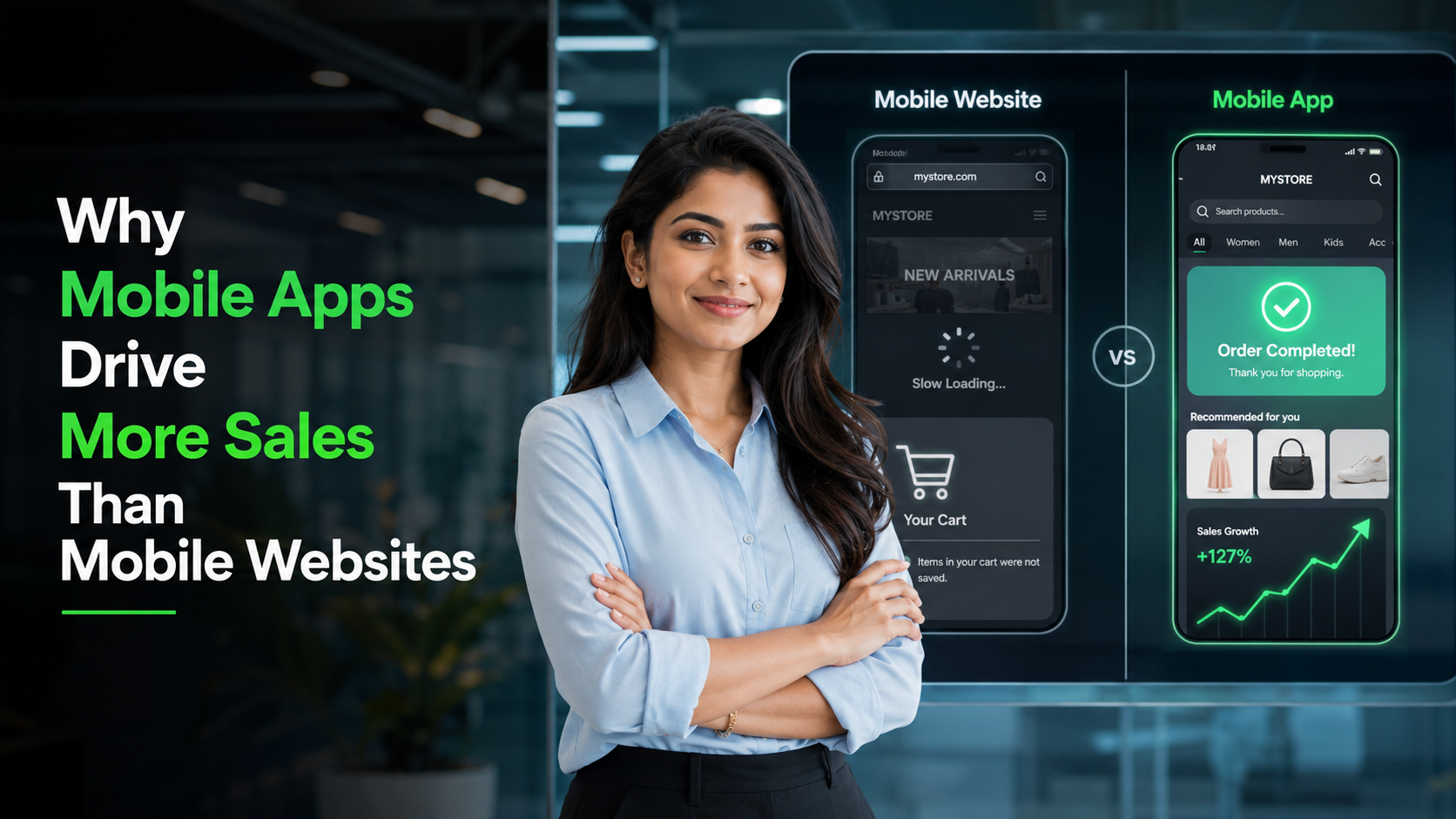
Mobile apps convert at nearly 3x the rate of mobile websites. That gap is entirely about friction.
A customer browsing your website on their phone has to deal with slow load times, clumsy navigation, re-entering their address, re-typing card details. Every extra step is a moment where they can stop.
An app removes most of that. Products load fast because data is cached locally. Payment details are saved. The cart is waiting if they close and come back. And if they walk away without buying, you can send a push notification to bring them back.
Email open rates average around 20-25%. Push notification visibility regularly hits 50-80%. Same message, completely different result. That difference compounds across every campaign you run.
What Are the Real Benefits of Having Your Own Shopping App?
Let us go through what actually changes when you have a branded app, not in theory, but in practice.
You Own the Customer Relationship
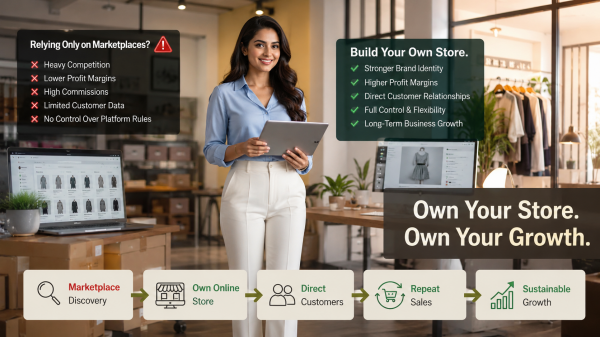
When you sell through Amazon or any marketplace, you are renting access to customers. You cannot message them directly. You cannot see their browsing behavior. You cannot offer a loyalty deal to your top buyers. And if the platform changes its algorithm or fee structure, your sales move with it.
With your own app, none of that applies. You control the experience, the communication, and the data. That is not a small advantage.
Push Notifications: The Feature Most Businesses Underestimate
Until you have used them, it is hard to appreciate how much they change the game. With push notifications on your shopping app, you can:
- Tell customers about a flash sale the moment it starts
- Send a restock alert for a product someone viewed last week
- Remind a buyer they left items in their cart
- Share an exclusive offer with your top 200 buyers only
- Announce new arrivals to customers who bought from that category before
None of this is possible through a marketplace. None of it requires you to buy advertising. It is just using a channel you already own.
Cart Abandonment Drops Significantly
On a mobile website, a customer who closes the browser is probably gone. On your app, their cart is saved, and you can send a push notification if they have been away too long. For businesses with high average order values, recovering even a fraction of abandoned carts can cover the entire cost of the platform.
Your Margins Stay Intact
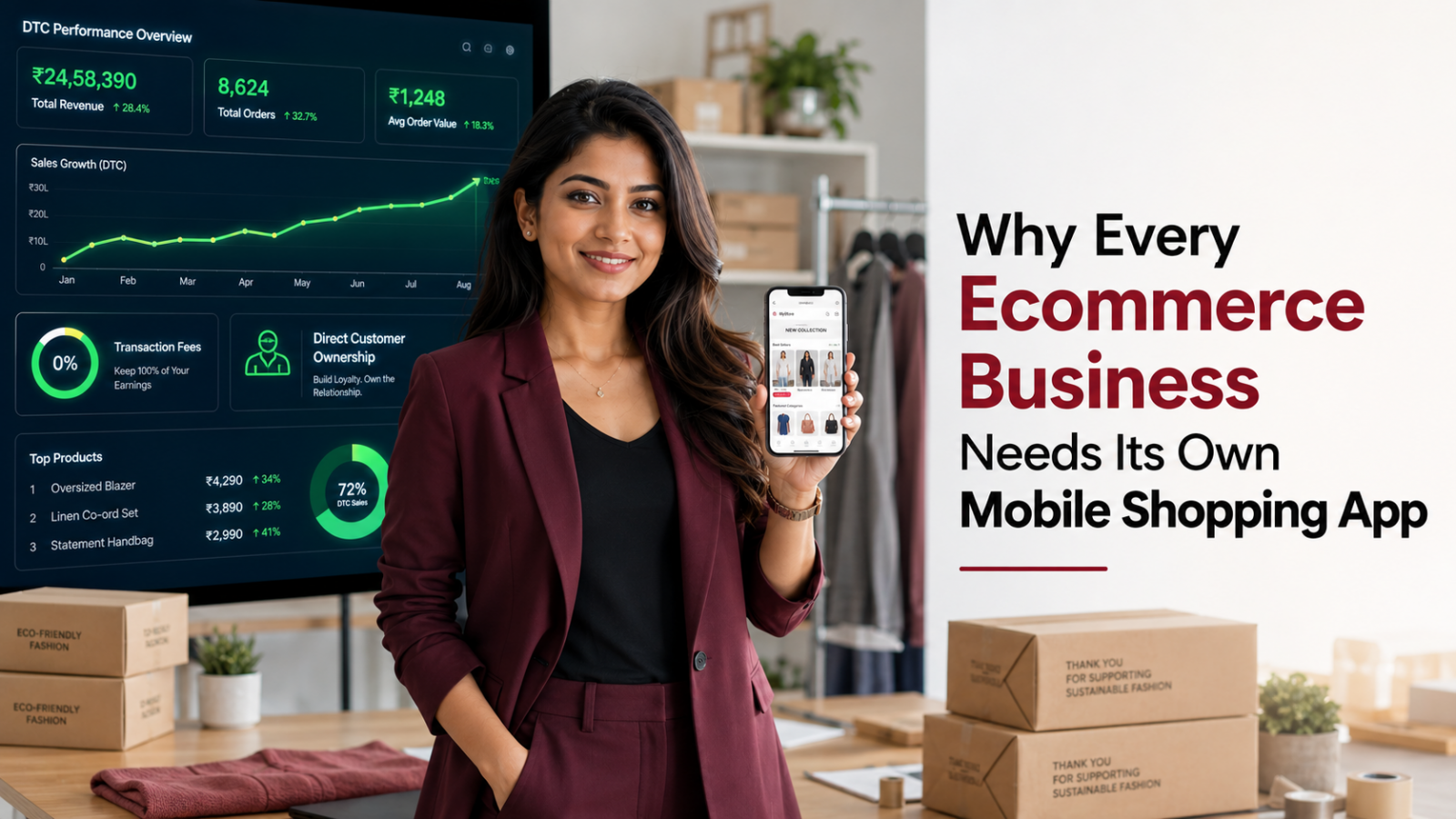
Every marketplace sale comes with a commission taken off the top. Depending on category, that is 5-20% or more gone before you count anything else. When customers buy through your own app, the full amount comes to you. Shopaccino runs on zero transaction fees, so there is no percentage disappearing from every order.
For a business doing consistent volume, that difference adds up to a meaningful sum over a year.
You Get Customer Data You Can Actually Use
Marketplaces tell you what sold. Your own app tells you everything else.
What customers browse but do not buy. How long they spend in a specific category. What price triggers a purchase. Which push notification brought them back. What gets added to a wishlist but never bought.
That information lets you make better decisions about inventory, pricing, and promotions. It is the difference between reacting to sales and actually understanding your buyer. This is what marketers mean when they say first-party customer data, and your own app is one of the best ways to build it.
Your Brand Lives on Their Home Screen
An app icon on a phone is quiet advertising every single day. Every time a customer looks at their device, they see your name. For exporters and manufacturers competing for large accounts, a branded app also signals something concrete: you are a serious, organized business. That perception matters in B2B relationships where trust is earned before orders are placed.
Offline Browsing for Buyers With Patchy Connectivity
Apps cache your product catalog locally so customers can browse without a strong connection and complete the purchase once they reconnect. If you sell to buyers in regions with inconsistent internet, this is not a nice-to-have. It is a genuine commercial edge over competitors whose catalogs simply do not load.
Who Should Actually Build a Shopping App Right Now?
A shopping app is for businesses that are already selling and want to grow a direct, owned channel. The businesses that get the most from it are:
- Manufacturers selling directly to retailers or end consumers alongside their existing distribution
- Exporters managing buyers across time zones who need catalog, ordering, and tracking without email chains
- Distributors handling large B2B volumes who want to give buyers a cleaner ordering experience
- D2C brands scaling beyond marketplaces and building a loyal repeat-buyer base without commissions
- Offline retailers with a steady customer base who want to shift some of that business online
If your customers already know you and buy from you regularly, an app gives them an easier way to keep doing that. That is the core of what it does.
What Does This Actually Look Like for a Real Business?
Consider a textile exporter with buyers in the Middle East and Europe.
Before their app, everything moved through WhatsApp and email. A buyer asks for the catalog. The exporter sends a PDF. The buyer asks about pricing for a specific quantity. The exporter replies. Back and forth, sometimes for three days, for what should be a five-minute transaction.
After launching through Shopaccino, the buyer logs into the app, browses the full catalog with live pricing, places an order at their required quantity, and gets tracking updates automatically. The exporter's team sees the order in real time and processes it.
The back-and-forth dropped sharply. Repeat orders increased because placing an order became easy instead of effortful. And the exporter consistently looked more professional than competitors still running on PDF catalogs and email threads.
That is not a technology transformation story. It is just removing friction from a process that already worked.
How Does a Mobile Shopping App Builder Compare to Custom Development?
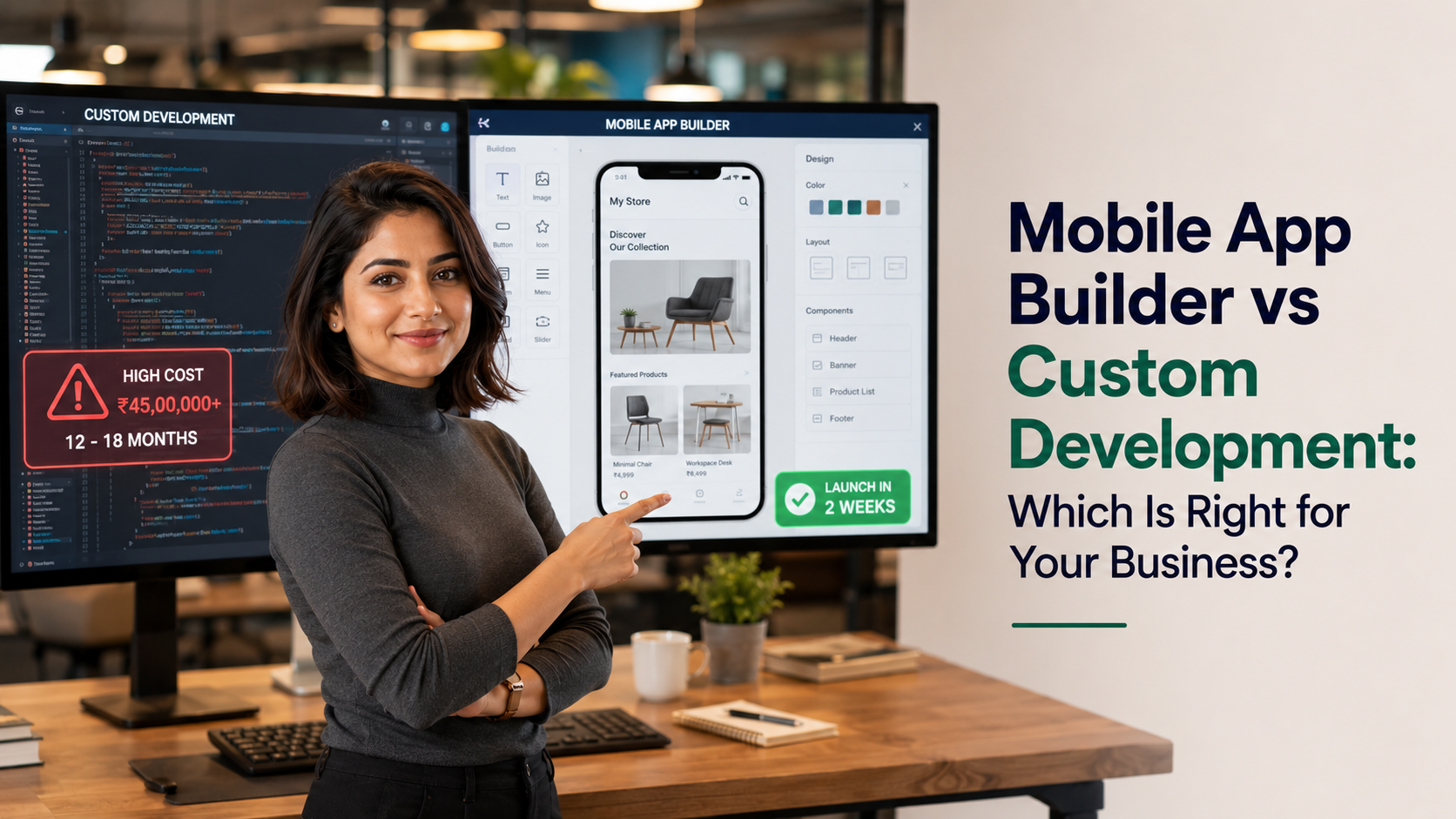
Custom development used to be the only option. It is also an option most businesses cannot reasonably pursue.
A custom app from an agency costs anywhere from Rs 5 lakh to Rs 50 lakh or more, takes six months to a year to build, and requires ongoing developer support for every update or new feature.
A purpose-built mobile shopping app builder like Shopaccino handles the technical layer entirely. What you get:
- Branded app customized to your logo, colors, and layout
- Product catalog synced in real time across your website and app
- Built-in payment gateway support including multi-currency for international selling
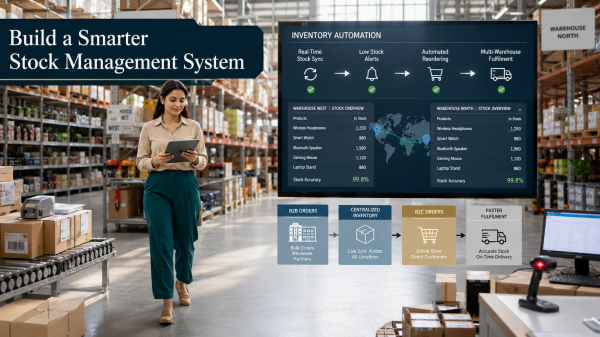
- Inventory management synced with your warehouse automatically
- Multi-warehouse fulfillment for businesses with complex logistics setups
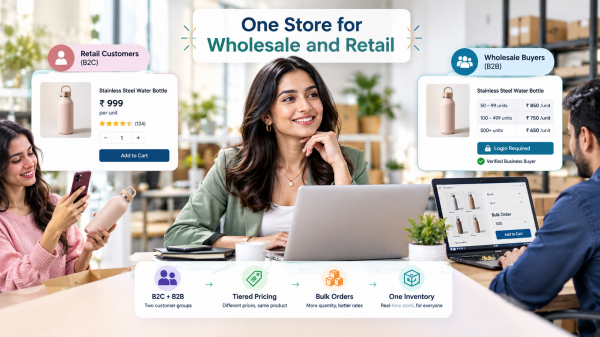
- B2B and B2C support from a single backend, not two separate systems
- Push notification tools built in, not bolted on through a third-party service
- Zero transaction fees on every sale through the platform
Time to launch drops from months to days. Cost drops from a major capital project to a monthly subscription. You do not need to hire a developer to change a banner or add a product category.
Mobile App vs Mobile Website: Which One Do You Need?
Both, but for different reasons. They do different jobs.
Feature | Mobile Website | Your Own App |
|---|---|---|
Discoverability | High via Google search | App store + word of mouth |
Load speed | Depends on network | Fast, cached locally |
Push notifications | Not possible | Yes, 50-80% visibility |
Offline browsing | No | Yes, catalog cached |
Cart recovery | Hard to recover | Push notification driven |
Conversion rate | Baseline | Up to 3x higher |
Customer retention | Moderate | Significantly higher |
Platform commission | None | None (zero transaction fees) |
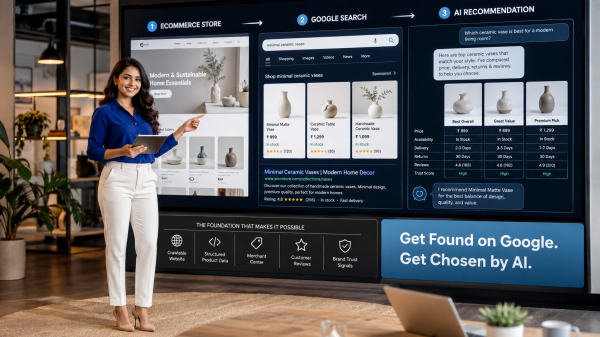
The website is how new customers find you through search. The app is how existing customers keep coming back without having to think about it. Discovery is the website's job. Retention is the app's job. Both matter. Neither replaces the other.
What Should You Look for in a Mobile Shopping App Builder?
Not all platforms are built the same way. Here is what actually matters when evaluating options.
Industry fit. A platform designed for fashion D2C brands will not have the features a marble exporter or pharmaceutical distributor needs. Look for a platform that was built for your business model, not adapted to it.
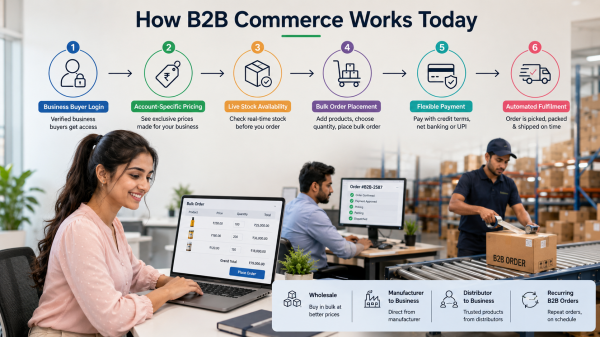
Real B2B support. If you have wholesale buyers, you need tiered pricing, bulk order management, buyer-specific catalogs, and custom payment terms. Generic platforms often skip these entirely.
Real-time inventory sync. Your app and your warehouse must talk to each other continuously. If they do not, you will either oversell stock you do not have or show items as unavailable when they are not.
Zero transaction fees. You are paying for the platform already. A percentage cut on top of that eats your margins directly at scale. This should be a baseline expectation, not a premium feature.
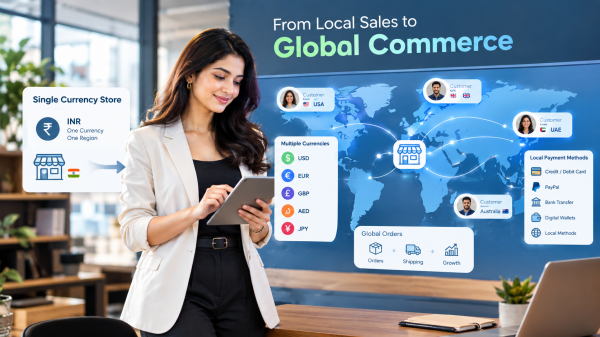
Global selling capability. If you have international buyers, you need multi-currency support, international payment gateways, and cross-border shipping management in one place.
How Long Does It Actually Take to Launch a Shopping App?
Faster than most businesses expect. Here is a realistic timeline using a platform like Shopaccino.
Step 1: Account setup and configuration
Payment gateways, shipping rules, tax settings. A few hours if your information is ready.
Step 2: Product catalog upload
If you have products in a spreadsheet, bulk upload tools handle most of it. A day or two depending on catalog size and complexity.
Step 3: Brand customization
Colors, logo, homepage layout, featured banners. No coding. Just configuration.
Step 4: Test the full buying flow
Place a test order, check the push notification, confirm the inventory update. Fix anything that looks off.
Step 5: App store submission and launch
Your platform manages the technical submission. App store review adds a few days.
Most businesses are live in under two weeks. Some in a few days.
Three Things Business Owners Usually Get Wrong About Shopping Apps
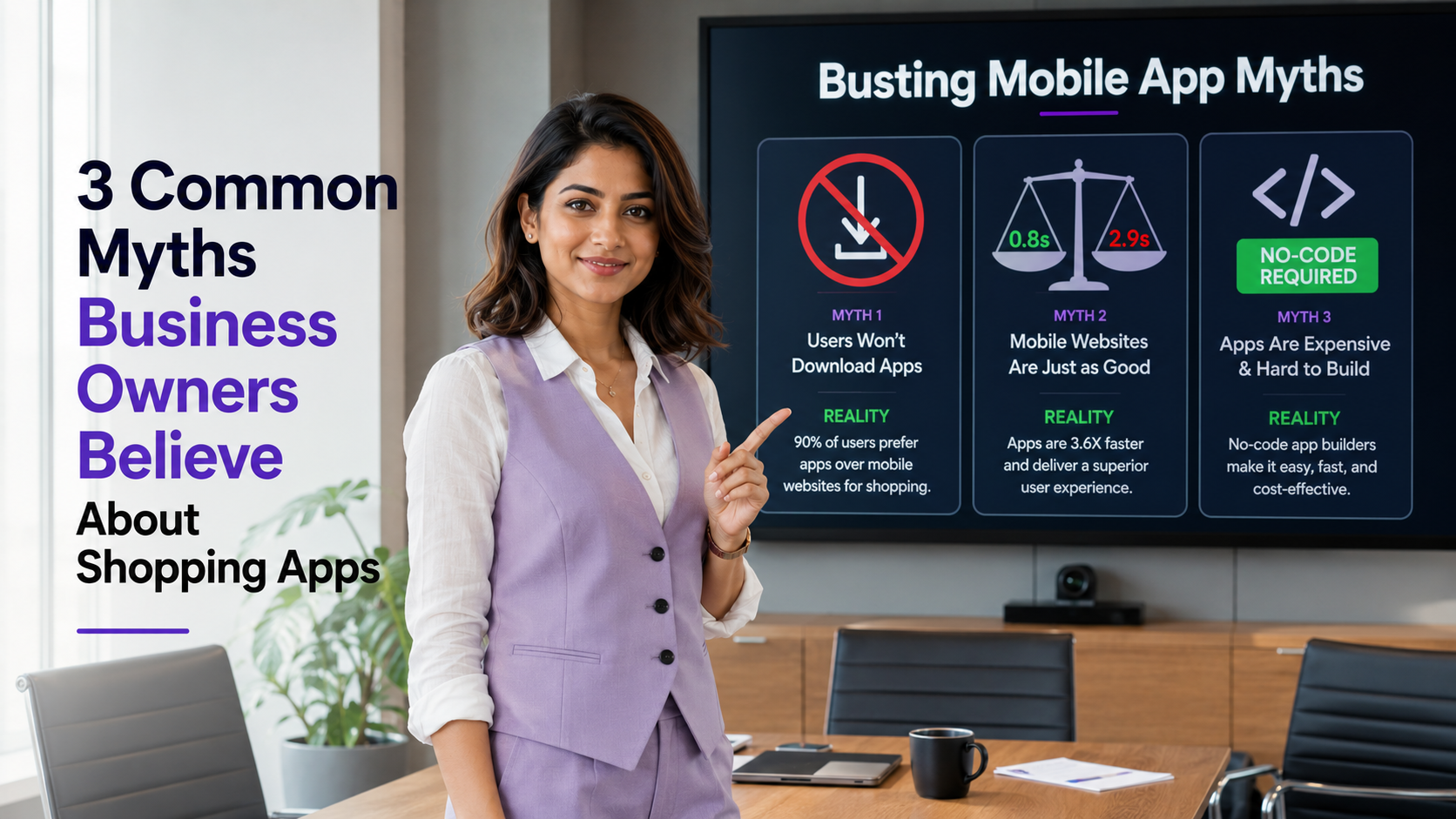
"Customers will not download another app."
Customers download apps that make their lives easier. Faster checkout. Real-time order tracking. Exclusive pricing for app buyers. Restock notifications for products they want. Give them a clear reason on day one, and your existing buyers will install it.
"We have a good website so we do not need an app."
Your website is for discovery. Your app is for retention. These are different problems and neither tool solves both. A new customer finds you through Google. An existing customer opens what is already on their phone.
"Building an app is a big technical project."
With a purpose-built ecommerce platform, the engineering is handled for you. Your job is setting up your catalog, configuring your preferences, and telling your existing customers the app exists. The developer part is someone else's problem.
Credible Sources on Mobile Commerce Trends
For data on global mobile commerce adoption and digital trade, refer to the World Trade Organization at www.wto.org and the Internet and Mobile Association of India (IAMAI) at www.iamai.in. Both publish updated research relevant to businesses planning their mobile commerce approach.
The One Channel You Actually Own
Marketplaces give you volume and take a commission for it. Your website gives you discoverability. Your app gives you the relationship.
A customer with your app installed does not shop around every time they need something. They open what is already on their phone. That is the habit a branded app builds, and habits are worth more than any single transaction.
If you are already selling, have customers, and want a channel that charges no commission, hides no customer data from you, and does not change the rules quarterly, your own app is the answer. A mobile shopping app builder like Shopaccino makes getting there fast and straightforward.
Built for manufacturers, exporters, distributors, and D2C brands. Zero transaction fees. B2B and B2C from one system. Real-time inventory. International selling included.
Your competitors are either already there or thinking about it. The gap closes faster than most people expect.
FAQs
A mobile shopping app builder is a platform that lets businesses create their own branded shopping app without custom coding. You configure products, branding, and payments through a dashboard, and the platform handles app generation, hosting, and app store submission. Shopaccino includes this as a core feature, not an add-on.
Significantly less than custom development. A custom-built app from an agency can run from Rs 5 lakh to Rs 50 lakh or more. A platform subscription that includes app creation costs a fraction of that, with no developer needed for routine updates or changes.
Yes, if the platform supports it. Shopaccino handles B2B-specific features including tiered pricing, bulk ordering, buyer-specific catalogs, and custom payment terms, all from the same backend as the B2C store. Generic ecommerce platforms often skip these features entirely.
Customers install apps that offer them clear value: faster checkout, order tracking, exclusive deals, restock alerts. If your app delivers a genuine benefit on day one, your existing buyers have a real reason to install it. The key is communicating that benefit clearly at launch.
On a marketplace, you pay a commission on every sale, and the platform owns the customer relationship. On your own app, there are zero transaction fees, you collect all customer data, and you can communicate directly with buyers through push notifications and personalized offers.
For most businesses, the full process from account setup to live app takes one to two weeks, depending on catalog size. There is no development phase. App store submission adds a few days for review. The platform handles the technical submission process.