10 Small Business Ideas You Can Launch As An Online Store This Year
Starting an online store used to mean renting shelf space, printing a catalog, and hoping enough people walked past your shop window. None of that applies anymore. What actually stops most people from starting isn't money or technology anymore, it's picking an idea worth committing to.
If you've been circling the idea of running your own store this year, here are ten small business ideas to launch online that real founders are turning into working businesses right now, along with what it genuinely takes to start each one.
Quick Answer The strongest small business ideas to launch online this year include niche fashion, home decor, beauty and personal care, handmade marble and stone products, electronic accessories, B2B wholesale supply, subscription boxes, print-on-demand, digital products, and sustainable goods. Each needs low upfront investment, a validated audience, and a platform built to handle inventory, payments, and fulfilment from day one. |
Why Is This A Good Year To Start An Online Store?
A few things have genuinely changed in the last couple of years, and they work in favor of anyone starting small.
- Setup costs are lower because payments, hosting, and inventory tools now come bundled instead of stitched together from five different tools
- Mobile shopping keeps climbing, and buyers now expect to discover and check out from a phone in a few taps
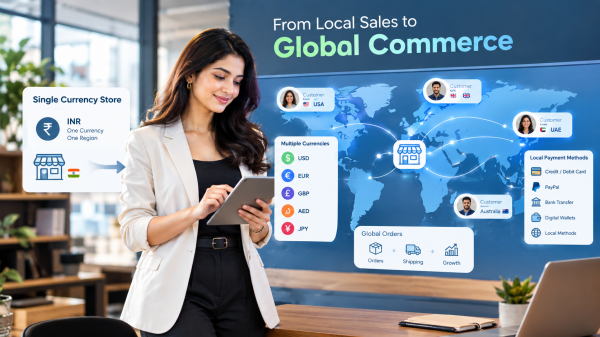
- Selling across borders needs far less setup than it used to, thanks to platforms with built-in multi-currency and international shipping support
- Buyers increasingly trust small, focused stores over generic marketplaces, as long as the niche is clear and specific
What Makes A Small Business Idea Actually Worth Pursuing?

Before picking one of the ideas below, run it through a short filter. An idea is worth pursuing if it clears these four checks:
- Real demand: people are already searching for or buying something close to it, not just something you personally find interesting
- Sourceable supply: you can actually make, source, or manufacture it at a quality and quantity you can sustain
- Margin that survives reality: after shipping, platform costs, and basic marketing, there's still profit left
- A reachable audience: you have, or can realistically build, a way to reach the people who'd buy it
10 Small Business Ideas To Launch Online This Year, At A Glance
Here's a quick side by side view before the full breakdown below.
Business Idea | Startup Cost | Best For |
|---|---|---|
Niche fashion store | Low to medium | Fashion D2C founders |
Home decor and furnishings | Medium | Manufacturers, distributors |
Beauty and personal care | Medium | D2C beauty brands |
Marble and stone products | Medium to high | Exporters, manufacturers |
Electronics accessories | Low to medium | Retailers, distributors |
B2B wholesale supply store | Medium | Distributors, wholesalers |
Subscription box | Low to medium | Retail entrepreneurs |
Print on demand / custom merch | Very low | First time founders |
Digital products / hybrid store | Very low | Coaches, creators, consultants |
Sustainable, eco friendly goods | Low to medium | Beauty, home, fashion crossover |
What Are The 10 Small Business Ideas Worth Starting This Year?
1. A Niche Fashion Store Built Around One Specific Style
Instead of competing with every general clothing site out there, pick one clear niche, resortwear, modest fashion, oversized streetwear, whatever fits a specific audience you understand. A focused catalog is easier to market, photograph, and stock than a broad one. Many small apparel brands start with a tight collection of 10 to 15 products, see what actually sells, then expand from there. This works best if you already have a supplier relationship or are willing to start with a small production run.
2. A Home Decor And Furnishings Brand
Home decor sells well online because buyers are now comfortable researching and buying furnishings without touching them first, especially smaller pieces like lighting, textiles, or wall art. If you're already manufacturing or distributing home goods, an online store adds a direct to consumer channel next to your existing wholesale business without needing an entirely separate operation to run it.
3. Beauty And Personal Care Products
Skincare, haircare, and personal care remain some of the most repeat-purchase friendly categories online, because customers reorder once they find something that actually works for them. Private label and small batch beauty brands can start narrow, three or four hero products, and grow the range from there. Ingredient transparency and honest before and after content matter more here than in most other categories.
4. Handmade And Export Ready Marble And Stone Products
This one is specific but genuinely underserved. Marble and stone manufacturers and exporters, from coasters and cutting boards to full slabs for contractors, can run a retail storefront for design conscious buyers and a wholesale channel for distributors and builders, all from the same catalog. Quality photography and clear specifications, weight, finish, dimensions, do a lot of the selling in this category.
5. Electronics Accessories And Refurbished Gadgets
Full scale electronics manufacturing is capital heavy, but accessories, phone cases, chargers, smart home add-ons, or certified refurbished devices, are a realistic entry point. Margins can be thin, so this works best when you already have supplier relationships or can source in reasonable bulk. Clear warranty and return policies matter more here than almost anywhere else, since buyers are naturally cautious with electronics.
6. A B2B Wholesale Supply Store For Retailers
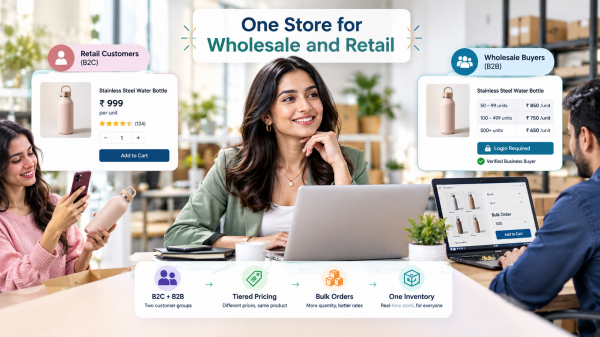
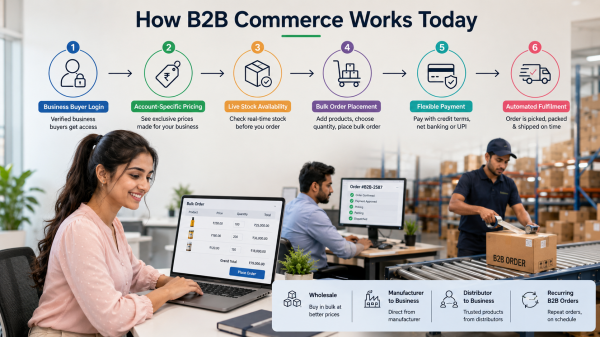
If you already manufacture or distribute physical goods, in fashion, home decor, or industrial supplies, opening a wholesale ordering portal alongside your retail store lets other businesses place bulk orders without emailing a sales rep for every quote. This idea depends heavily on having a system that can separate retail and wholesale pricing cleanly, since the two audiences should never see each other's numbers.
7. A Subscription Box Business
Subscription models work well for categories people repurchase naturally, beauty samples, snacks, pet products, books. The appeal for founders is predictable recurring revenue instead of chasing one-off sales every month. The hard part is retention, so this idea needs a genuinely curated experience, not just a random assortment shipped out on autopilot.
8. Print On Demand Or Custom Merchandise
This is close to the lowest risk idea on this list. You design, a supplier prints and ships, and you never hold inventory yourself. It suits first time founders who want to test a brand concept, an audience, or a design style before committing money to real stock.
9. A Digital Products Or Hybrid Store
Templates, courses, presets, or downloadable guides pair well with almost any physical product business as an add-on, or work as a standalone store for coaches, consultants, and creators. Margins run high since there's no shipping or inventory involved, but building an audience willing to actually pay is the real work here.
10. Sustainable And Eco Friendly Goods
Reusable household items, sustainable fashion, or responsibly packaged beauty products appeal to a buyer base that's actively looking for these alternatives and often willing to pay more for them. This idea crosses over well with several categories above, home decor, beauty, fashion, as long as sustainability shows up in your actual sourcing, not just in your marketing copy.
Which Idea Fits Your Industry Background?
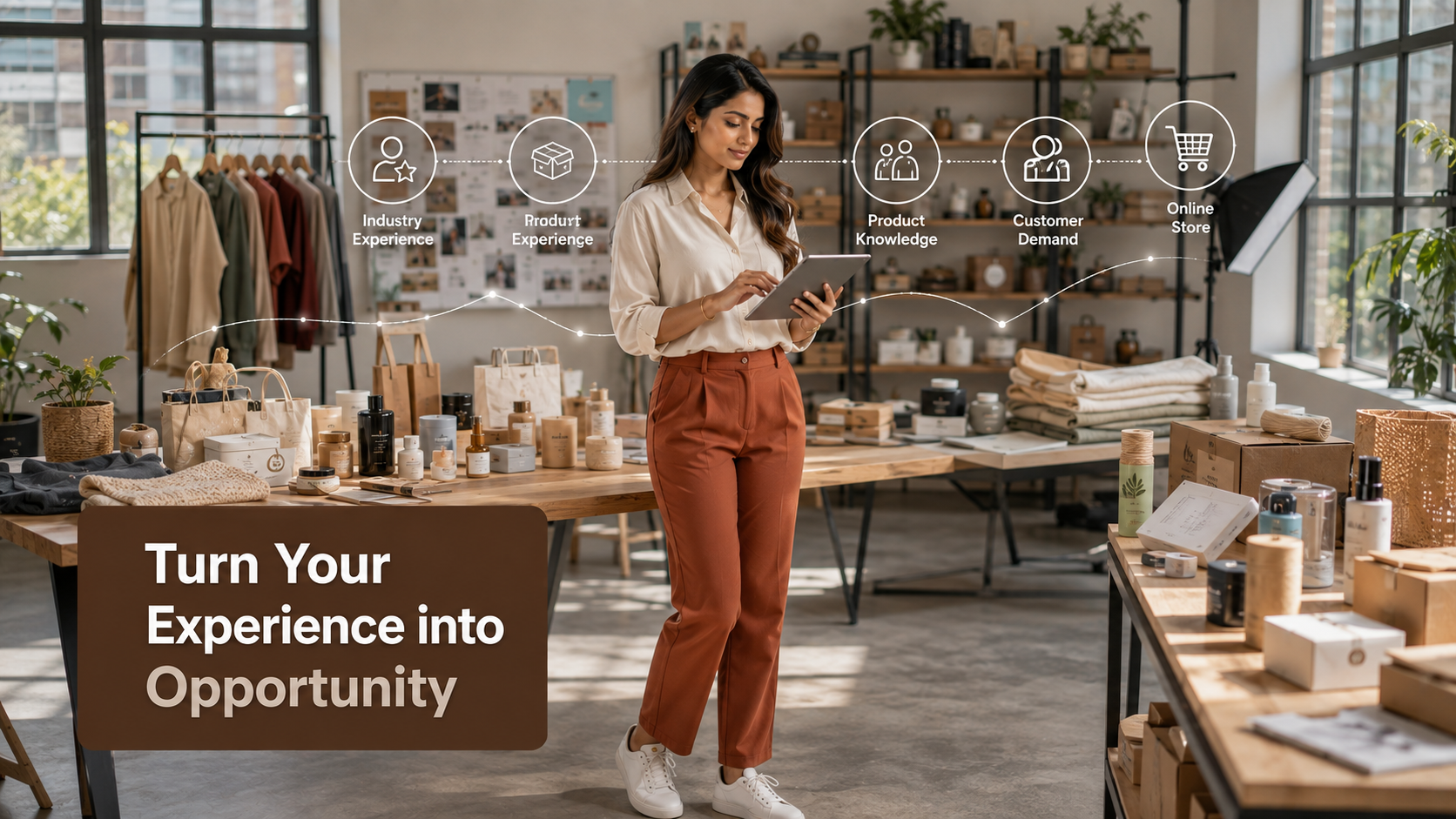
If you're coming into this with some existing experience, manufacturing, sourcing, or retail, in a specific industry, that background usually points to the fastest starting point rather than a completely new category.
- Fashion and apparel: a niche fashion store or a sustainable clothing line lets you use existing supplier relationships instead of starting sourcing from zero
- Electronics: an accessories or refurbished gadgets store is a lower-capital way in than manufacturing full devices
- Home decor: adding a direct to consumer storefront next to an existing wholesale operation is often the quickest path to new revenue
- Marble and stone: a combined retail and wholesale catalog opens up design conscious buyers alongside existing distributor and contractor relationships
- Beauty: private label or small batch beauty products work well if you already understand formulation, packaging, or manufacturing partners
- B2B trading:a wholesale supply store is often less about a new idea and more about giving existing buyers a faster way to order
How Do You Choose Between Two Or Three Ideas You're Considering?
It's common to be stuck between a couple of these instead of just one. When that happens, weigh them against three practical questions instead of gut feeling alone. Which one can you start with the resources you already have, rather than the ones you'd need to acquire first? Which one has a customer base you can actually reach through channels you already use, whether that's an existing supplier network, a social following, or industry contacts? And which one gives you room to test small before committing to a full product range? The idea that scores well on all three, not necessarily the one that sounds most exciting, is usually the one worth starting with.
Picking the idea is the easy part. Here's the sequence that actually gets a store from concept to first sale.
- Validate demand before spending on stock or ads: check search interest, look at competitor stores, or run a small pre-order test to see if people actually want it
- Lock in reliable sourcing or production: a manufacturer, a print on demand partner, or your own small workshop, before you build out the storefront
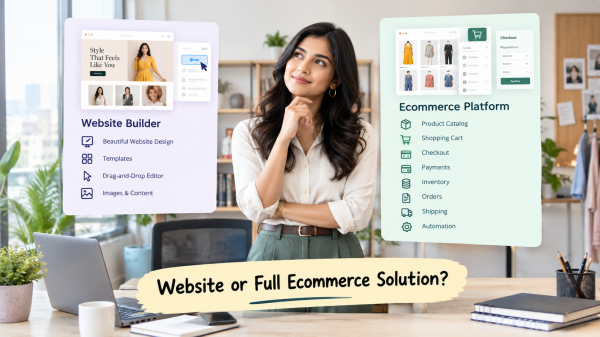
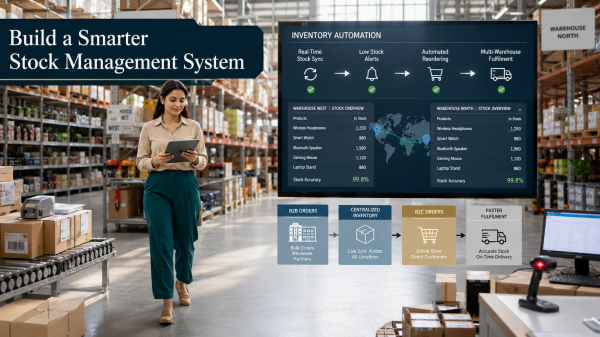
- Choose a platform that can grow with you: inventory tracking, secure payments, and the ability to add wholesale or international selling later without switching systems
- Price for reality, not just cost: your pricing needs to survive platform fees, shipping, and marketing spend, not just cover the raw product cost
- Plan fulfilment before your first sale: know exactly how orders will be packed, shipped, and tracked before you're scrambling to figure it out
- Start marketing before launch day: build even a small audience for a few weeks ahead of time instead of launching to silence
How Much Does It Cost To Start An Online Store Business?
There's no single number here, but the range is wider than most people expect. Digital products and print-on-demand stores can realistically start for a few hundred dollars, mostly covering design tools, product photography, and a small marketing budget, since there's no inventory to buy upfront. Physical product ideas, beauty, fashion, home decor, electronics accessories, need more, usually for initial stock, packaging, and sample runs, before a single sale comes in. B2B and export-focused ideas like wholesale marble and stone products sit at the higher end, since production runs and shipping logistics cost more from day one.
Platform costs are a separate line item worth planning for too. Some platforms charge a percentage of every sale on top of a monthly fee, which quietly eats into margin as sales grow, especially for lower-margin categories like electronics accessories. Others, including Shopaccino, charge zero transaction fees, which matters more the longer you run the store, since that cost compounds with every order rather than staying fixed. What matters more than the exact number is knowing where your money is actually going before you spend it.
What's The Best Way To Run The Store Once You've Picked An Idea?

This is where the platform choice starts to matter more than people expect early on. A lot of these ideas, especially wholesale supply stores, marble and stone exports, and beauty or home decor brands selling beyond their home market, outgrow basic store builders fast because they need B2B and B2C selling from the same system instead of two separate setups.
This is the gap Shopaccino is built to close. It runs retail and wholesale orders from one system with role based pricing, so a distributor placing a bulk order and a regular shopper buying one item can both check out without seeing each other's pricing. For sellers expanding beyond their home country, built in multi-currency and multi-language support, along with region based pricing and international shipping and payment options, removes a lot of the setup work that usually comes with going global. Add automated multi-warehouse order fulfilment, integrated payments, and zero transaction fees on the platform, and a founder starting with one idea from this list has room to add wholesale, new regions, or new product lines later without rebuilding the store from scratch.
What Mistakes Should You Avoid When Starting?
- Picking an idea purely because it's trending, without checking whether you can source or ship it reliably
- Underpricing early to compete on cost, which quietly kills margin before the idea has even been proven
- Launching on a platform that can't handle wholesale or multi-currency selling later, forcing a painful migration once you're growing
- Skipping clear shipping and return policies, especially in categories like electronics and beauty where buyers are already cautious
Final Thoughts
None of these ten ideas need a big budget or a perfect plan to get started. What they need is a clear niche, a supplier you can rely on, and a system that can handle orders, payments, and fulfilment without falling apart the moment sales pick up. Whichever small business idea to launch online you choose this year, from a niche fashion label to an export ready marble and stone catalog, starting small and building on a platform that scales with you beats waiting for the perfect setup.
FAQs
Print on demand and digital products are the easiest to start, since neither requires holding inventory. You design once, and a supplier or automated system handles printing, shipping, or delivery, which keeps upfront costs and risk low for first time founders.
It depends on the idea. Digital or print on demand stores can start for a few hundred dollars. Physical product stores usually need more for initial stock and packaging, while wholesale or export focused ideas cost the most due to production and shipping.
Yes. Print on demand, dropshipping, and digital products all let you sell without buying stock upfront. A supplier or automated system fulfils each order as it comes in, which lowers financial risk while you test whether an idea actually sells.
Categories with strong universal demand, beauty, home decor, fashion accessories, and B2B wholesale goods, tend to travel well internationally, especially when sold on a platform with built in multi-currency, multi-language, and international shipping support.
Check for existing search demand, look at what similar stores are already selling, and test with a small batch or pre-order before committing to full inventory. Real buyer interest before launch is a far better signal than personal enthusiasm alone.
Yes. Platforms built for unified commerce, like Shopaccino, let a single store run B2B and B2C orders together, with separate pricing and catalogs for each, so you don't need two different websites to serve both types of buyers.