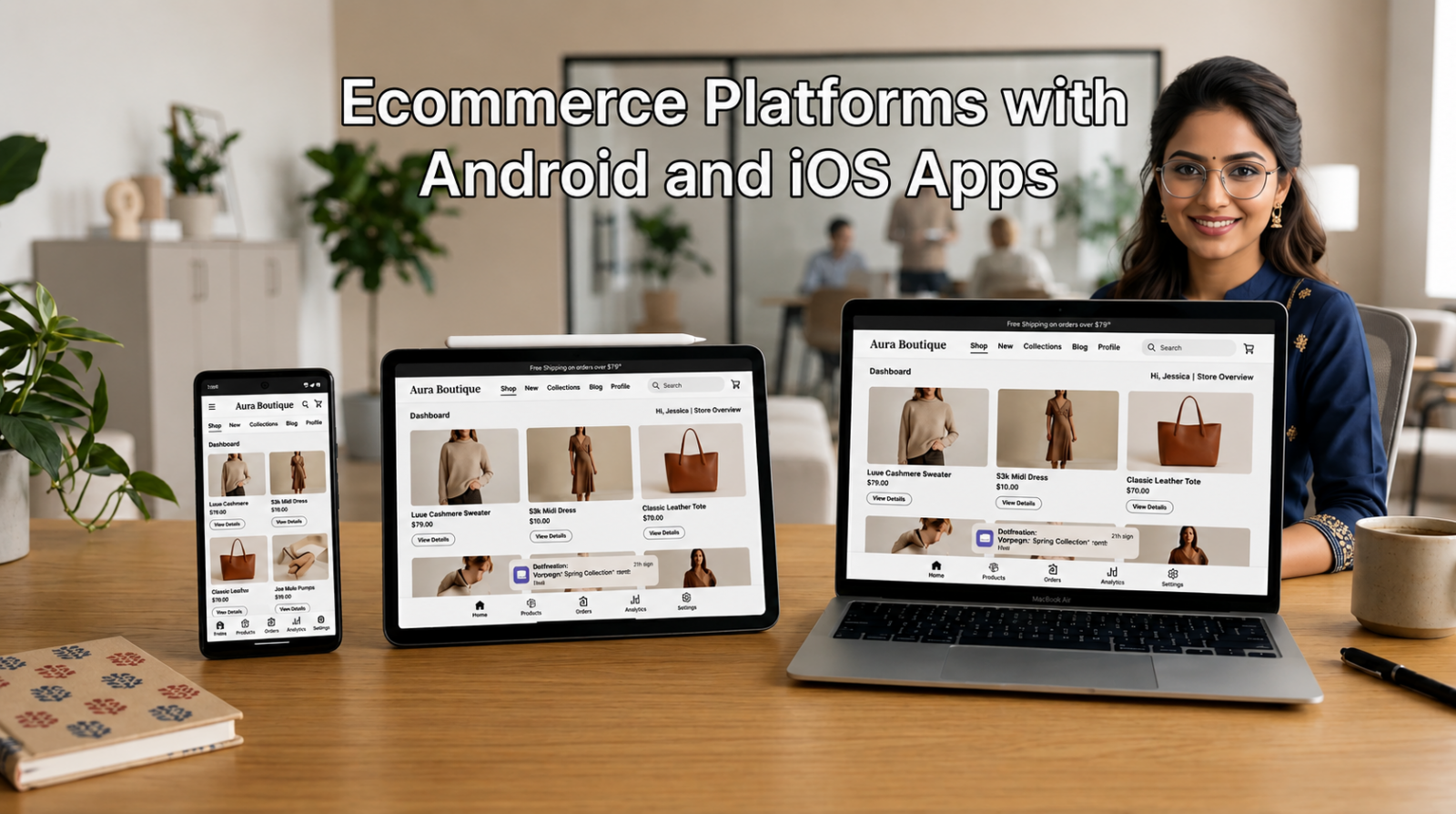
Which Ecommerce Platforms Offer Built-In Android and iOS App?
What Does Built-In Android and iOS App Actually Mean? A built-in Android and iOS app means the ecommerce platform itself provides native mobile applications for your customers as part of the subscription, without requiring third-party app builders, separate plugins, or custom development. The app is automatically synced with your store catalogue, orders, and customer accounts. The opposite is add-on mobile apps, which require subscribing to separate app-building services on top of the ecommerce platform fee. |
Open any ecommerce platform's marketing page and you will see the words 'mobile app' featured prominently. Read the fine print and the picture changes. Most platforms advertise a Built-In Android and iOS App but actually require a separate subscription to a third-party app builder that costs as much as the platform itself. This is one of the most quietly misleading parts of the ecommerce software in India market.
If you are evaluating ecommerce platforms and a branded mobile app matters to your business, this guide will save you from an expensive surprise. The honest answer is that very few platforms actually include a native customer-facing app as standard. We will go through which ones genuinely do, which ones require expensive add-ons, and which approach makes sense for which type of business.
By the end of this article you will know exactly what 'built-in' means in practice, which platforms deliver on the promise, what add-on app builders cost in real money, and how to decide which approach fits your business model.
Why Does Built-In Mobile App Capability Matter for Online Brands?
Mobile commerce now accounts for the majority of ecommerce traffic and a growing share of completed orders. A branded mobile app changes the relationship with your customers in ways a mobile website cannot match.
How Do Mobile Apps Outperform Mobile Websites for Repeat Customers?
Mobile apps deliver three structural advantages over mobile websites:
- Push notifications: direct re-engagement with customers without paying for ads or fighting email inbox clutter
- One tap reordering: returning customers complete purchases significantly faster than on a browser
- Brand presence on the home screen: your icon sits between WhatsApp and the camera, getting opened daily
For consumable categories (food, beauty, supplements, grocery), apps drive 40 to 60 percent higher repeat purchase rates than browser-only experiences. For considered purchases (fashion, electronics, home decor), apps still deliver 20 to 30 percent uplift on returning visit conversion.
Why Are Native Apps Stronger Than Progressive Web Apps?
Progressive Web Apps (PWAs) are mobile websites dressed up to behave like apps. They install on the home screen and work offline. They cannot send true push notifications on iOS (only on Android), cannot access most device features, and do not appear in the App Store or Play Store. A native mobile commerce app is a real app that appears in the official app stores, supports push notifications on both platforms, integrates with device features (camera, biometrics, payment wallets), and feels indistinguishable from any other app on the phone.
Most large global brands run native apps for a reason. The investment pays off in retention, engagement, and conversion rates that PWAs cannot match. If you are evaluating ecommerce platforms seriously, the native app capability matters.
Which Ecommerce Platforms Truly Offer a Built-In Android and iOS App?
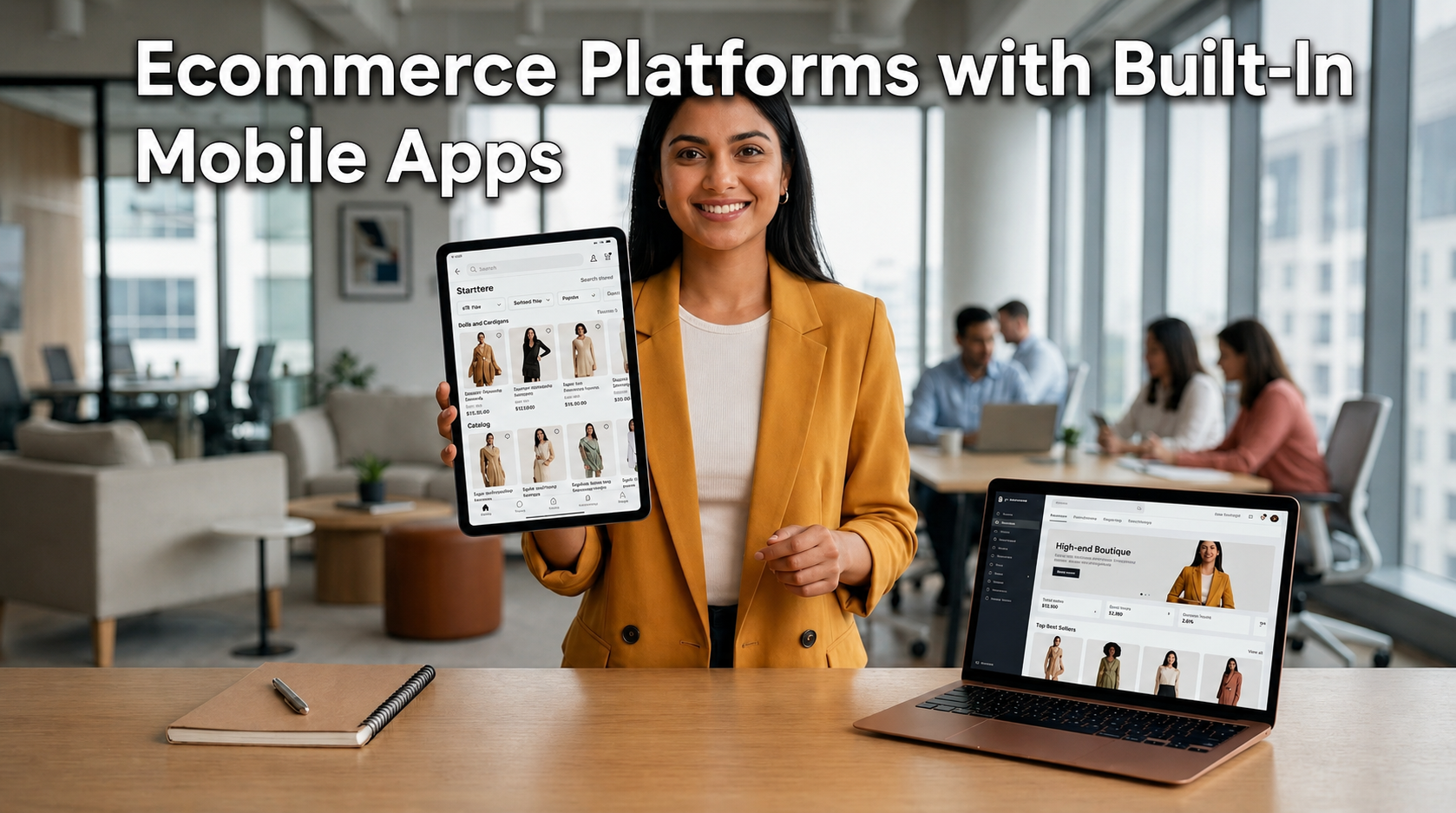
Here is the honest landscape across the major platforms. Pricing and feature details reflect publicly available information at the time of writing and may vary by region and plan tier.
Platform | Built-In Native App? | What You Actually Get |
|---|---|---|
Shopaccino | Yes, included on growth plans | Native Android and iOS app, App Store and Play Store listing, push notifications, real-time sync with the website |
Shopify | No | Requires third-party app builders like Tapcart, Vajro, or PlobalApps. Cost adds 200 to 500 USD per month |
WooCommerce | No | Plugin-based or third-party builder. Requires WordPress hosting and developer support for setup |
BigCommerce | No | Requires PWA Studio or third-party app builders. Native app needs custom development or third-party subscription |
Magento (Adobe Commerce) | No (PWA Studio available) | PWA Studio is supported but full native apps require custom development or app builders |
Wix | Limited (Spaces by Wix) | Customers find your store inside Wix's shared 'Spaces' app. Standalone branded app requires higher plans or third-party |
Squarespace | No | No customer-facing branded mobile app available. Owner-side app exists for managing the store only |
Dukaan | Yes (limited features) | Built-in mobile app for store, India-focused, simpler feature set than larger platforms |
StoreHippo | Yes (higher plans) | Native Android and iOS app available on growth-tier plans |
The pattern is clear. The largest international platforms (Shopify, WooCommerce, BigCommerce, Magento) do not include a native customer-facing mobile app as a core feature. They expect users to subscribe to a third-party app builder service. Smaller and specialised platforms (Shopaccino, Dukaan, StoreHippo) often include the native app capability as part of the platform itself.
How Much Does an Ecommerce Mobile App Actually Cost?
This is where the honest ecommerce app development cost picture becomes clearest. The headline subscription price of an ecommerce platform tells you almost nothing about the actual cost of running a store with a mobile app. The real cost depends entirely on whether the app comes with the platform or requires an add-on.
What Does a Built-In Native App Cost?
When a platform includes a native app as part of its plan, the cost is bundled into the platform subscription. You pay once for the platform. The Android app, the iOS app, the push notification system, the App Store listing, and the Play Store listing are all included. There is no separate developer agency, no monthly third-party builder fee, no app maintenance bill.
For Shopaccino specifically, the built-in branded app is included on growth-tier plans without extra subscription fees. Updates to the app keep pace with platform updates automatically.
What Do Third-Party App Builders Cost?
Third-party mobile app builders like Tapcart, Vajro, PlobalApps, and others typically charge between 200 and 500 USD per month depending on tier. Higher tiers add advanced personalisation, design customisation, and conversion features. For comparison:
- Shopify subscription: 39 to 399 USD per month depending on plan
- Tapcart (popular Shopify app builder): 200 to 1,200 USD per month
- Vajro: 99 to 499 USD per month plus setup fees
- PlobalApps: 99 to 499 USD per month
Add the platform subscription, the app builder subscription, and any premium features, and a Shopify plus third-party app stack often lands at 500 to 1,000 USD per month in total. For businesses that genuinely need the app, this can be a worthwhile investment. For businesses just starting to scale, it is often the difference between launching and waiting.
What Does Custom App Development Cost?
If you commission a custom Android and iOS app from a development agency or an experienced iOS Development Company, expect 15,000 to 50,000 USD in initial build cost depending on complexity, with ongoing maintenance fees of 500 to 2,000 USD per month.. Custom apps offer maximum control but rarely make financial sense unless your business has very specific feature requirements that no platform or builder supports.
What Are the Trade-Offs Between Built-In and Third-Party Apps?
Both approaches have legitimate strengths. The right answer depends on the business model and the operational priorities.
When Does a Built-In Native App Make More Sense?
- Your budget needs predictability and you do not want to stack multiple subscriptions
- You want the app to launch with the store rather than as a separate later project
- Your store catalogue and the app catalogue need to be perfectly synced without integration risk
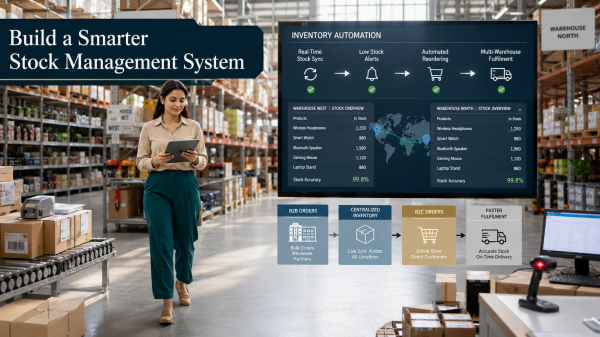
- You operate from multiple warehouses and want one inventory system across web and app
- You are an exporter or D2C brand wanting to launch globally without juggling many tools
- You are an established offline business and want the simplest possible operational stack
When Does a Third-Party App Builder Make More Sense?
- You already operate on Shopify, WooCommerce, or a similar platform and are not ready to migrate
- You need very specific design customisation that builder platforms are optimised for
- You want advanced features like AI-powered personalisation that some app builders specialise in
- Your monthly revenue is high enough that an extra 300 USD per month is immaterial
Neither approach is universally correct. Honest evaluation depends on your business stage, monthly revenue, operational preferences, and budget structure.
Which Type of Business Benefits Most from a Built-In Mobile App?
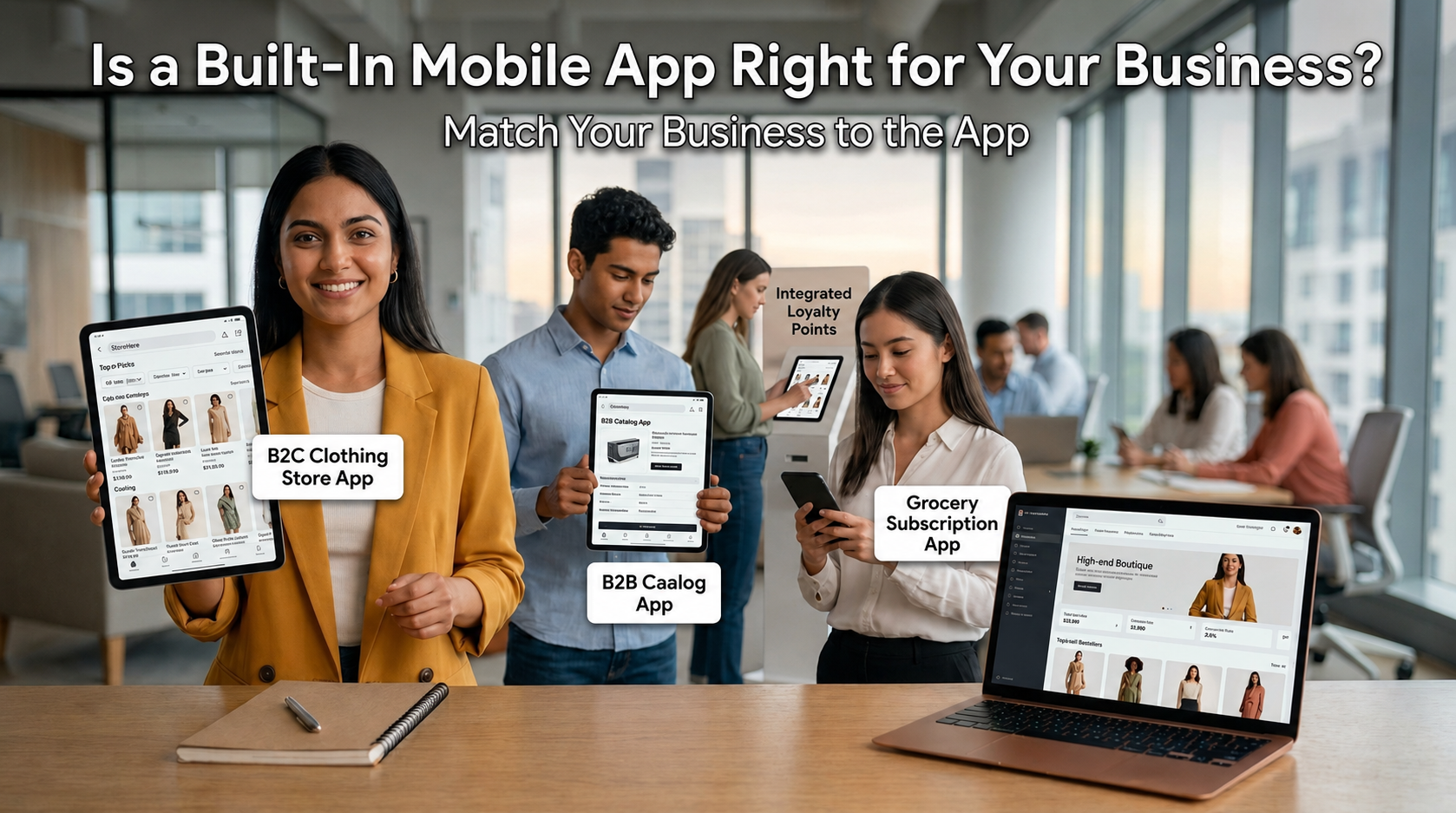
Across thousands of ecommerce stores running with branded mobile apps, certain business types consistently see disproportionate returns. If your business matches one of these profiles, the case for a native app is particularly strong.
How Do Consumable and Repeat Purchase Businesses Use Apps?
Food, beauty, supplements, grocery, dairy, and other consumable categories live on repeat purchases. A branded ecommerce mobile app with one tap reordering, subscription management, and push notifications for restock reminders drives the repeat purchase rate that defines profitability in these categories. For a coffee subscription business, a juice brand, or a meal kit operator, the app is the single most valuable touchpoint between customer and brand.
How Do Fashion and Lifestyle D2C Brands Use Apps?
Fashion D2C brands use mobile apps for new collection launches, early access for loyal customers, app-exclusive discounts, and visually rich product browsing that mobile websites struggle to match. The app becomes a destination customers open even when they are not actively shopping, which builds brand recall and drives spontaneous purchases.
How Do B2B Catalogue Businesses Use Apps?
B2B distributors and manufacturers use mobile apps to give their wholesale buyers easy reordering, account-specific pricing, credit limit visibility, and order history access. For a distributor with 200 retailer customers placing weekly orders, a B2B mobile app removes phone calls, WhatsApp orders, and manual data entry from daily operations.
How Do Multi-Outlet Retailers Use Apps?
Multi-outlet retailers use apps to unify the customer experience across all locations. A customer who shops at one outlet earns loyalty points that apply at every other outlet through the same app. Stock visibility across stores helps customers find what they want without phone calls. The app becomes the omnichannel bridge between offline retail and online ordering.
How Does Shopaccino Provide a Built-In Android and iOS App?
Shopaccino includes branded native Android and iOS apps as part of its growth-tier plans. Here is what is actually included and how it works in practice.
What Features Come with the Shopaccino Mobile App?
- Native Android app published to the Google Play Store under your brand name
- Native iOS app published to the Apple App Store under your brand name
- Real-time sync with your website catalogue, inventory, orders, and customer accounts
- Push notifications for order updates, restock alerts, promotions, and brand announcements
- Native integration with payment gateways including cards, UPI, wallets, and Cash on Delivery
- Customer accounts with order history, saved addresses, and one-tap reordering
- Wishlist, search, filters, and category navigation matching the web experience
- Branded splash screen, app icon, color scheme, and store identity throughout
Who Handles the App Store Publishing Process?
Shopaccino handles the technical publishing process to both Apple App Store and Google Play Store. You provide the brand assets (logo, splash screen, app description, screenshots). Shopaccino handles the build, the developer account setup if needed, and the submission process. App store approval timelines depend on Apple and Google review processes, typically a few business days to a couple of weeks for first submissions.
What Does the App Cost Inside the Shopaccino Subscription?
On growth-tier plans, the branded mobile app is included with no separate subscription fee. The same monthly platform price covers the website, the dashboard, the order management, the payments, the shipping integrations, the multi-warehouse inventory, and both mobile apps. For businesses comparing total cost of ownership versus Shopify plus Tapcart (where the app builder alone is 200 to 500 USD per month extra), this is a meaningful difference.
What Shopaccino Provides for Mobile Commerce Shopaccino provides the ecommerce platform with branded native Android and iOS apps included on growth plans. Real-time sync between web and app, push notifications, multi-warehouse inventory, multi-currency for global sellers, and zero platform transaction fees. The platform handles the store, the dashboard, the integrations, and the apps. The brand identity, the products, the marketing, and the customer relationships remain yours to build. |
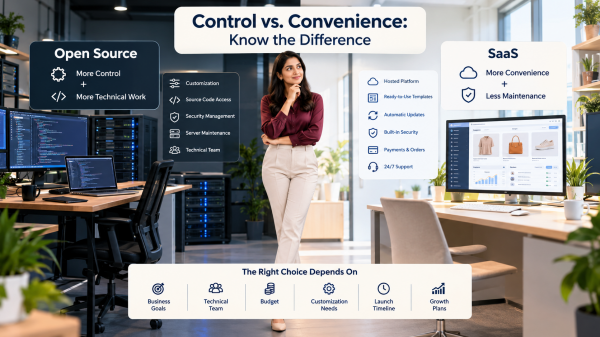
How Do You Decide Between Built-In and Add-On Mobile Apps?
Five practical questions decide the right answer for almost every business. Work through them in order.
Question 1: Are You Already on a Platform That Needs Migration?
If you operate a high-revenue Shopify or WooCommerce store, migrating to a different platform just to get a built-in app is a major undertaking. Calculate the migration cost, the SEO risk, and the operational disruption against the ongoing savings of a built-in app. Sometimes staying and paying for an add-on app builder is the cheaper path despite the higher monthly fee.
Question 2: What Stage Is Your Business In?
Established businesses with operations and inventory already in place often benefit most from built-in apps because they want one tool that handles everything. Businesses just starting out can launch on lighter platforms and graduate later. The transition is more painful for established businesses, so picking the right platform from the start matters.
Question 3: How Important Is Predictable Total Cost?
If you prefer one predictable monthly fee that includes everything you need (website, app, payments, inventory, fulfilment), a platform with built-in apps is structurally simpler. If you are comfortable stacking multiple subscriptions with separate billing cycles and feature negotiations, third-party builders offer more individual choice.
Question 4: Do You Need B2B Plus B2C in the Same App?
Most third-party app builders are optimised for B2C only. If you operate both wholesale and retail and want both visible in the same branded app with appropriate pricing tiers, built-in platform apps (where supported, like Shopaccino) handle this more cleanly than separate add-on solutions.
Question 5: How Quickly Do You Need to Launch?
Built-in apps typically launch in days, since the platform handles publishing to both stores. Third-party builders launch in a similar timeframe. Custom app development takes months. If speed to market matters, built-in or builder-based both work. Custom is the slow path.
What Do Industry Reports Say About Mobile Commerce in 2026?
According to the U.S. Census Bureau Quarterly E-Commerce Report, ecommerce continues to take a growing share of total retail. The UNCTAD Ecommerce and Digital Economy reports show mobile-first commerce growing fastest in emerging markets where most users skip the desktop generation entirely. The OECD Digital Economy policy briefs highlight that branded apps consistently outperform mobile websites on retention and repeat-purchase metrics across mature markets too.
The practical implication is straightforward. If you sell to younger audiences, in emerging markets, or in any consumable category, a branded mobile app is no longer optional. The question is which approach delivers the app most cost-effectively for your business stage.
What Are the Common Mistakes Businesses Make with Mobile Apps?
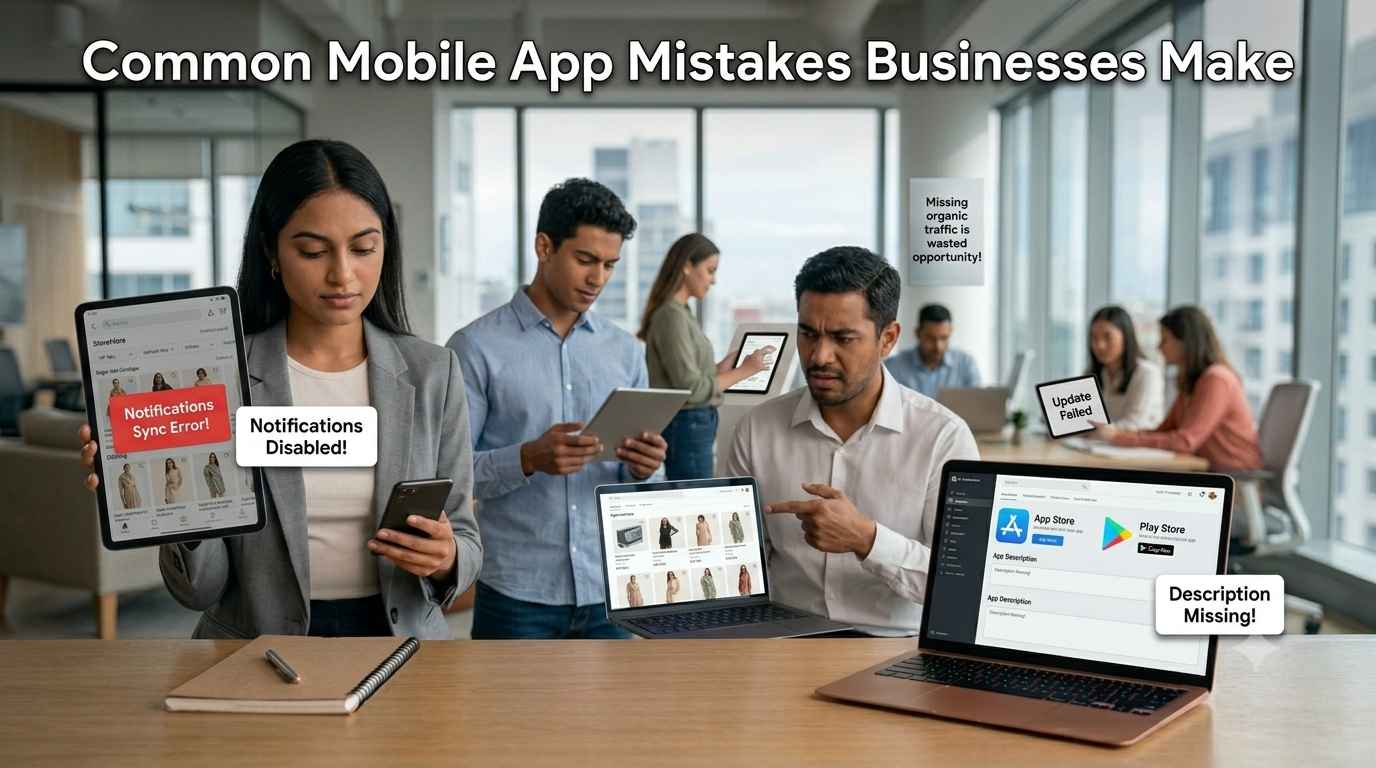
Three mistakes show up repeatedly across businesses adding mobile apps to their ecommerce operations.
Mistake 1: Treating the App as a Mini-Website
Loading the same exact catalogue, the same content, and the same flow into the app as the website wastes the unique advantages of mobile. Apps work best when they exploit native capabilities (push notifications, one-tap reorder, biometric login, native payments). Treating the app as a downscaled website misses most of the value.
Mistake 2: Underestimating the Push Notification Strategy
Sending generic promotional pushes every day trains users to disable notifications. Sending too few wastes the channel. The right balance is targeted, useful, time-relevant pushes (order updates, restock alerts, segmented promotions for past purchasers). Push notification strategy deserves the same care as email marketing strategy.
Mistake 3: Ignoring App Store Optimization
A great app that nobody finds in the App Store or Play Store generates no organic installs. App store optimization (keywords in the app description, accurate category, regular review responses, fresh screenshots) drives organic downloads at zero cost. Most businesses set up the app once and never update the store listing again. That is leaving free traffic on the table.
Where Can You Find Authoritative Data on Mobile Commerce?
Government and international body sources worth checking when evaluating your mobile commerce strategy:
- U.S. Census Bureau Quarterly E-Commerce Report
- UNCTAD Ecommerce and Digital Economy
- OECD Digital Economy Policies
- World Trade Organization Trade Statistics
- European Commission Digital Strategy
How Do You Make the Final Choice for Your Business?
The honest answer to whether you need a Built-In Android and iOS App comes down to your business stage, your operational preferences, and your unit economics. If you are running a high-revenue Shopify store with strong existing systems, a third-party app builder may make sense despite the higher cost. If you are an established offline business moving online or a growing D2C brand that wants the simplest operational stack, a platform with a built-in native app is structurally cleaner.
Key Takeaways: Mobile App Capability in Ecommerce Platforms ✓ Most major ecommerce platforms (Shopify, WooCommerce, BigCommerce, Magento) do NOT include a native branded customer-facing app. They require third-party app builders. ✓ Third-party app builders typically cost 200 to 500 USD per month extra, on top of the platform subscription. ✓ Platforms with genuinely built-in native apps include Shopaccino, Dukaan (limited features), and StoreHippo (higher plans). ✓ Native apps deliver 40 to 60 percent higher repeat purchase rates in consumable categories versus mobile websites alone. ✓ Push notifications, one-tap reordering, and home screen presence are the three structural advantages apps have over mobile websites. ✓ Custom app development (15,000 to 50,000 USD initial plus 500 to 2,000 USD monthly maintenance) rarely makes sense unless your business has very specific requirements no platform supports. ✓ If you are an established offline business moving online with multiple outlets, B2B plus B2C operations, or international ambitions, built-in native apps simplify operations significantly. ✓ Always evaluate total cost of ownership, not just the platform subscription. The app builder fee is often a hidden cost in Shopify-based comparisons. |
Final Thoughts on Choosing a Platform with Built-In Android and iOS App
A Built-In Android and iOS App is no longer a luxury feature for ecommerce businesses. Mobile commerce dominates traffic and increasingly dominates revenue, particularly in consumable categories and emerging markets. The platforms that include native apps as standard make this transition simpler. The platforms that require third-party add-ons make it more expensive and operationally complex.
Shopaccino is one of the SaaS ecommerce platforms that includes a branded native Android and iOS app as part of its growth plans, alongside multi-warehouse inventory, B2B plus B2C from one dashboard, multi-currency support for global sellers, and zero platform transaction fees. The platform is built for established businesses (retailers, manufacturers, distributors, exporters, and D2C brands) moving from offline operations to a fully integrated online channel. For first-time entrepreneurs without inventory or operations, lighter platforms with simpler scope often fit better.
Pick the platform that matches your business reality. Test the mobile app experience as a real user before committing. Calculate the total cost across the platform, the app, payments, and integrations. Decide based on what makes operations smoother, not on what the marketing pages promise. That is how you avoid the expensive surprise that catches most businesses six months after launch.
FAQs
No. Shopify does not include a native customer-facing branded mobile app as part of its core subscription. Most Shopify stores use third-party app builders like Tapcart, Vajro, or PlobalApps, which add 200 to 500 USD per month on top of the Shopify plan. Shopify does offer the 'Shop' app, but that is Shopify's own consumer app, not a branded app for your store.
Shopaccino includes a branded native Android and iOS app on growth-tier plans. Dukaan offers a built-in app for store with limited features, primarily India-focused. StoreHippo includes native apps on higher plans. Most major international platforms (Shopify, WooCommerce, BigCommerce, Magento) require third-party app builders rather than including a native app in the core subscription.
Third-party Shopify app builders typically cost between 200 and 500 USD per month depending on tier. Tapcart ranges from 200 to 1,200 USD per month. Vajro and PlobalApps offer plans from 99 to 499 USD per month. Custom Shopify app development costs 15,000 to 50,000 USD upfront plus 500 to 2,000 USD per month for maintenance.
No. A PWA is a mobile website with app-like behaviour. It can be installed on the home screen but does not appear in the App Store or Play Store. PWAs cannot send true push notifications on iOS. Native apps support push notifications on both platforms, integrate with device features, and appear in official app stores. Native apps deliver better engagement and retention in most categories.
With Shopaccino, the technical build is quick because the app is included with the platform. Real-time launch depends on Apple App Store and Google Play Store review timelines, typically a few business days to two weeks for first submissions. You provide brand assets (logo, splash screen, app description, screenshots) and Shopaccino handles the build, publishing, and ongoing updates.
It depends on your business stage and operational preferences. If you are an established business wanting one predictable monthly fee and the simplest operational stack, a platform with a built-in app is structurally cleaner. If you are already on Shopify with high revenue and strong existing systems, paying for a third-party app builder may make more sense than migrating. Calculate total cost of ownership before deciding.