Cross-Selling Strategies That Customers Actually Like
Cross-selling has a bit of a reputation problem, and most of it is earned. It's the random "customers also bought" widget stuffed with items that have nothing to do with what you're actually looking at. It's the popup upsell that shows up the second you try to close the tab. After enough of that, shoppers learn to ignore it entirely, sometimes without even registering it's there.
The cross-selling strategies that actually move the needle look almost nothing like that. Done well, cross-selling feels like help, not a sales pitch, and the businesses getting it right are quietly adding meaningful revenue per order without a single customer complaint about it.
Quick Answer The cross-selling strategies that customers actually respond to are relevant, timed well, and easy to ignore if unwanted. That means recommending genuinely complementary products, showing them at the right moment in the buying journey, and never blocking the path to checkout. Done this way, cross-selling raises order value without feeling like pressure, which is exactly why it keeps working. |
What Is Cross-Selling, And Why Does Most Of It Annoy Shoppers?
Cross-selling means recommending a related product alongside the one a customer is already interested in: a phone case next to a phone, a cleaning kit next to a leather jacket. It's different from upselling, which pushes a higher-tier version of the same item. Cross-selling adds something complementary instead.
The reason so much of it annoys people comes down to three habits stores keep repeating: recommendations that ignore context, timing that interrupts instead of assists, and volume, showing five or six options when one relevant suggestion would have worked better. None of that is cross-selling done badly because the idea is flawed. It's cross-selling done lazily, usually by an algorithm left on default settings with no thought behind what it's actually suggesting.
There's also a trust cost that's easy to underestimate. Every irrelevant suggestion trains a customer to tune out the next one too, even if it's genuinely useful. A store that gets the first few recommendations right earns the benefit of the doubt on the ones that follow. A store that starts with noise rarely gets a second chance to be taken seriously.
What Makes A Cross-Sell Feel Like Help Instead Of A Sales Pitch?
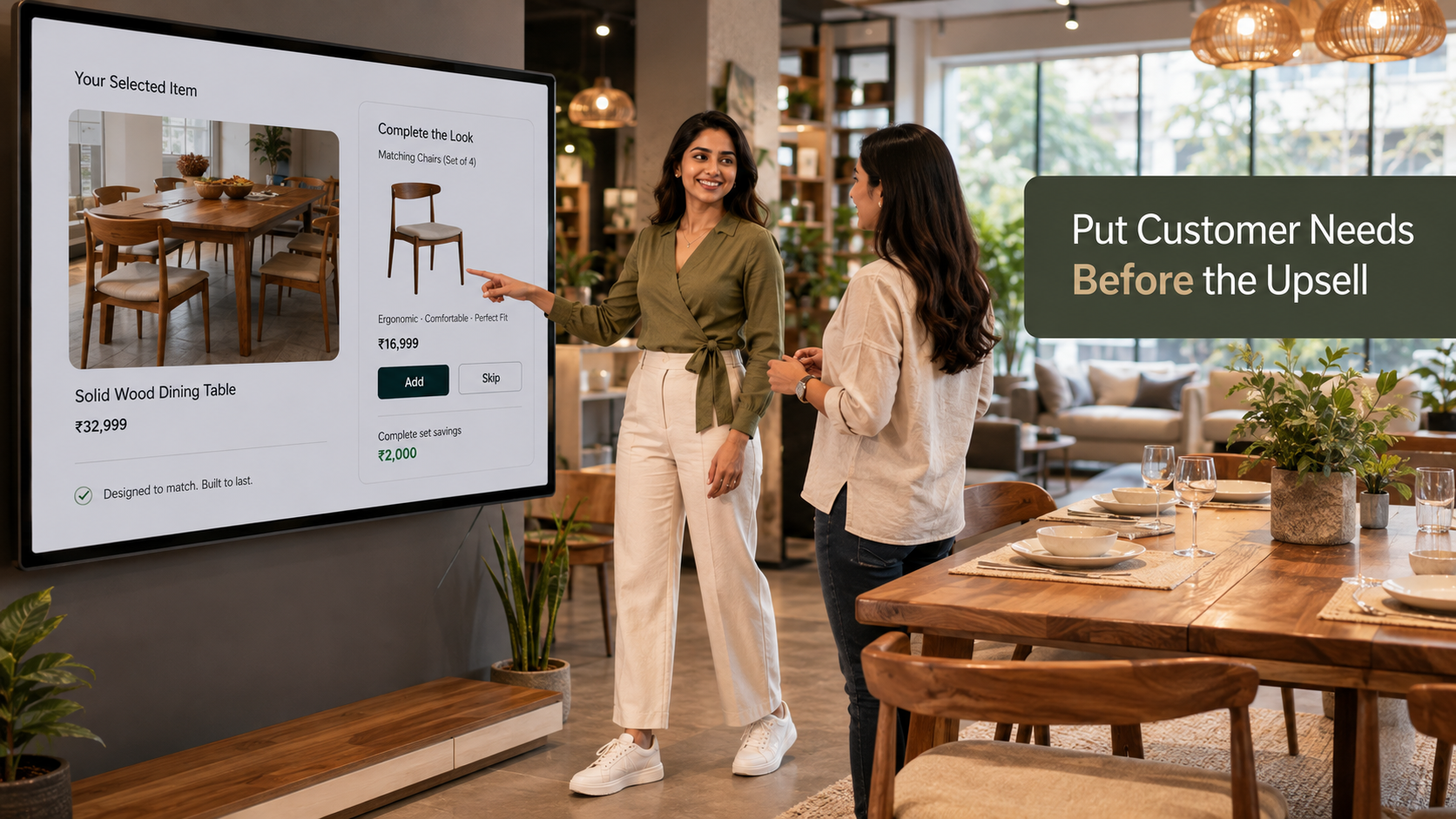
A handful of things separate the cross-sells people appreciate from the ones they scroll past or actively resent.
- Genuine relevance: the suggestion connects logically to what's already in the cart, not to some vague browsing pattern
- Good timing: it shows up at a natural pause in the journey, not in the middle of typing a card number
- Easy to ignore: a shopper can skip it in one tap without friction, because nothing about it should feel mandatory
- Framed around their goal: "complete the outfit" lands better than "you might also like," because it speaks to what the customer is actually trying to do
Here's what that looks like side by side, comparing specific tactics rather than vague good and bad advice.
What Works | What Doesn't |
|---|---|
A phone case shown next to the phone at checkout | A random skincare product shown while buying electronics |
One well-matched add-on suggested once | Five unrelated products crammed into a carousel |
A suggestion shown after add-to-cart, dismissed in one tap | A popup that blocks checkout until closed twice |
A bundle discount clearly explained with the savings shown | A bundle price shown with no explanation of what's saved |
A replenishment email sent weeks later, when the product would actually be running low | An upsell email sent minutes after purchase, before the order has even shipped |
What Cross-Selling Strategies Work Before Checkout Even Starts?
The earliest and often most effective moment to suggest something complementary is right on the product page itself, while interest is already high.
Frequently Bought Together
Showing two or three items that regularly get purchased alongside the one being viewed works because it's based on real buying patterns, not a guess. A customer looking at a dining table seeing matching chairs suggested isn't being sold to, they're being shown the obvious next step they may not have thought to search for separately.
Complete The Set Or Complete The Look
Particularly strong in fashion and home decor, this framing works because it taps into a goal the customer already has, putting together a full outfit or a finished room, rather than pushing an unrelated product. A dress shown with matching earrings feels like styling advice. The same earrings shown on a laptop product page would feel completely out of place.
Comparison Based Suggestions For Considered Purchases
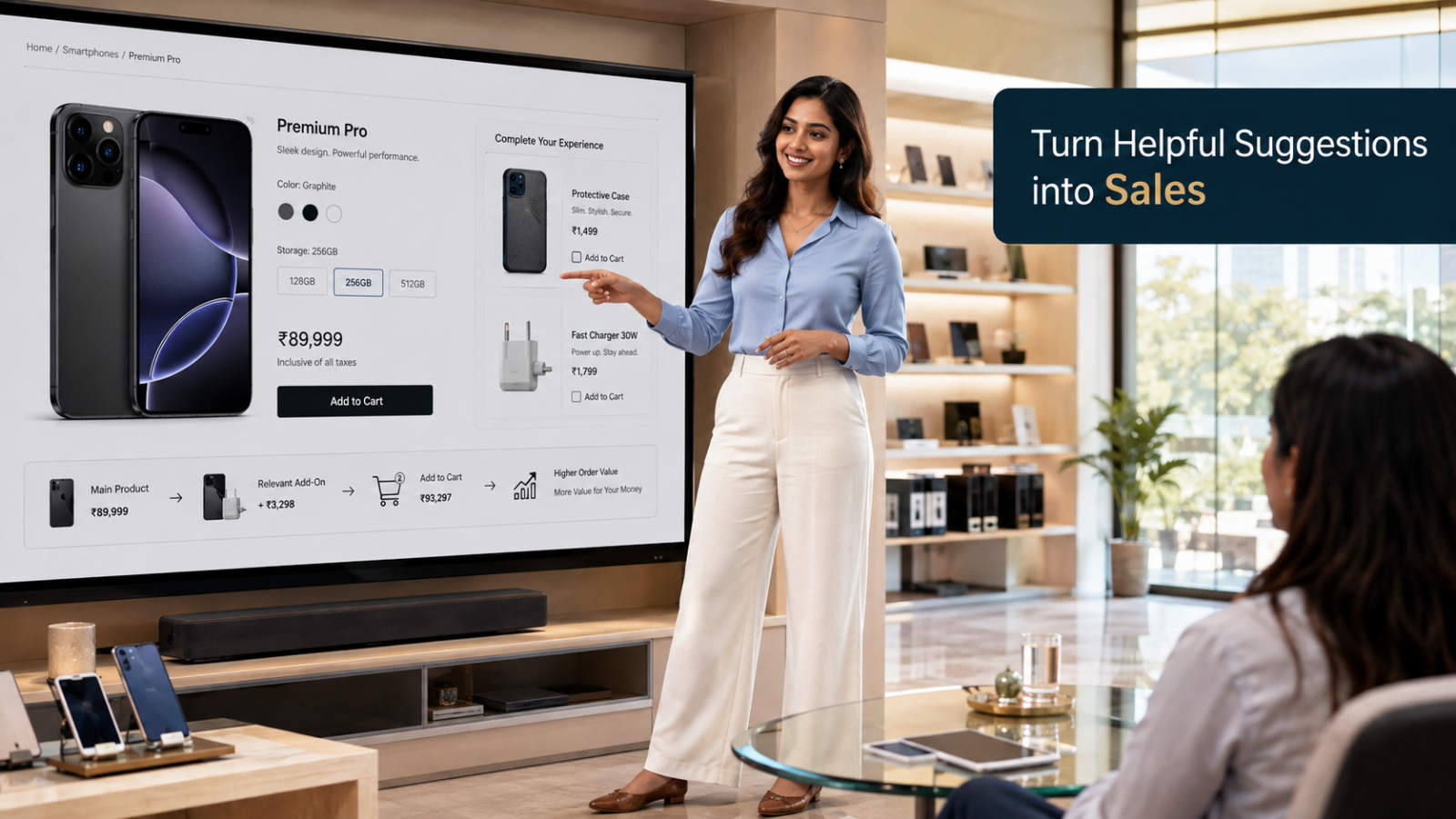
For higher involvement categories like electronics, showing a complementary accessory alongside a clear comparison, why this charger matches this device's wattage, for example, respects that the buyer is already doing research. It answers a question they were likely about to ask anyway, rather than interrupting their decision process.
What Cross-Selling Strategies Work At The Cart Or Checkout Stage?
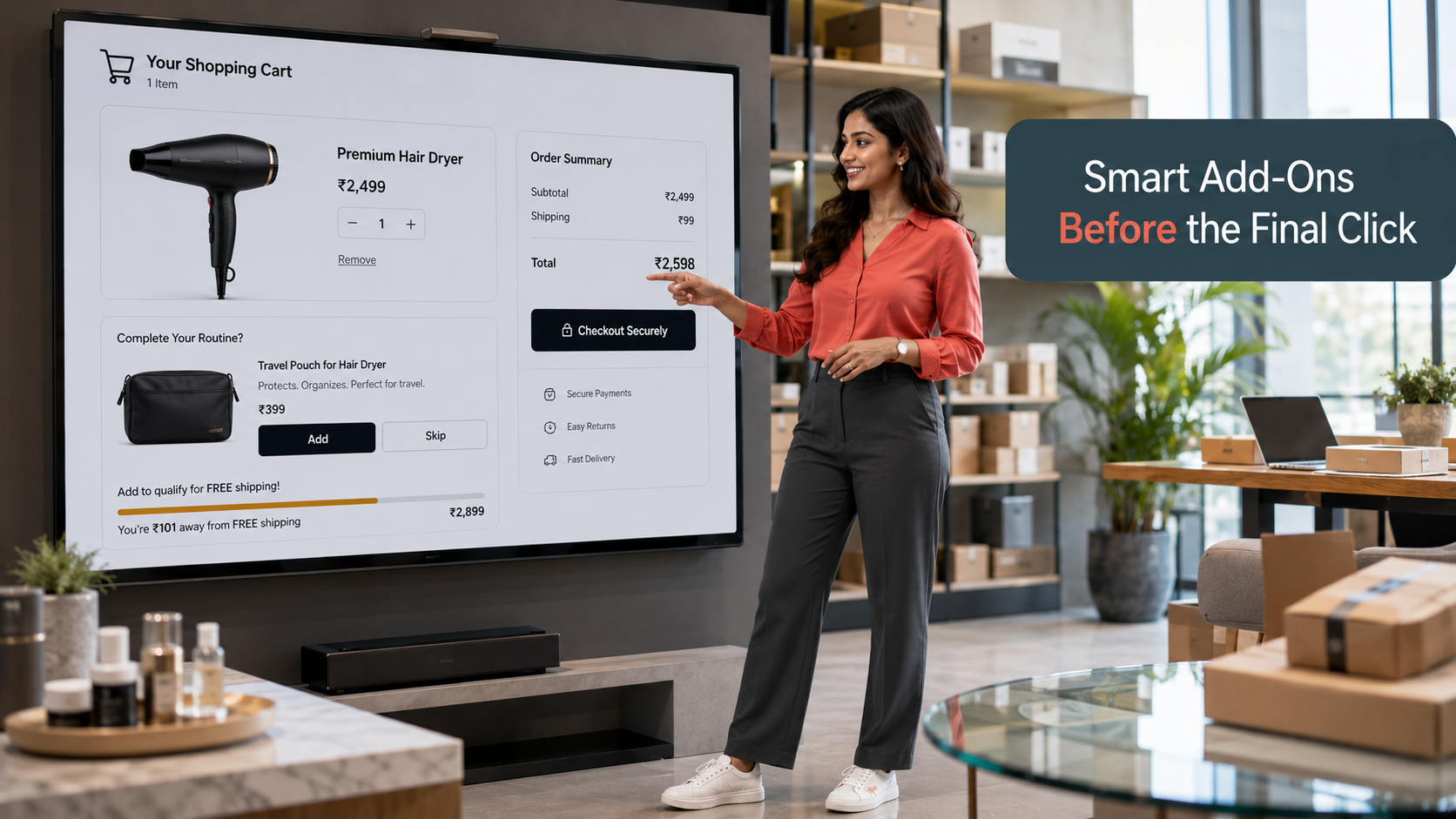
Once a customer has already committed to buying something, the cart becomes a low pressure moment to suggest one more relevant item, as long as it doesn't slow down the actual checkout.
Free Shipping Threshold Nudges
Showing how close a customer is to a free shipping minimum, and suggesting a relevant small item to close that gap, tends to convert well because it reframes the add-on as smart shopping rather than upselling. The customer feels like they're avoiding a fee, not being sold to.
One Small, Genuinely Useful Add-On
A single low cost accessory offered at the cart stage, batteries with a gadget, a travel pouch with a beauty set, works better than several options competing for attention. One clear, cheap, relevant add-on gets accepted far more often than a list of five maybe-relevant ones.
Bundle Discounts Instead Of Single Item Push
Framing a cart addition as part of a discounted bundle, rather than a separate upsell, changes how it reads psychologically. It becomes a deal the customer is opting into, not a sales tactic aimed at them.
What Cross-Selling Strategies Work After The Purchase Is Made?
Cross-selling doesn't have to end at checkout. Some of the least intrusive and best received strategies happen well after the order is placed.
Replenishment Reminders For Consumables
Beauty products, supplements, and anything else that runs out on a predictable schedule are a natural fit for a reminder email timed to when the customer would actually be running low, not immediately after their last order. This one lands as helpful almost every time, because it solves a real, upcoming problem.
Post-Purchase Email Sequences Based On What Was Actually Bought
An email suggesting a genuinely complementary product a week or two after delivery, once the customer has had time to use the original purchase, performs better than a generic newsletter blast. Context from the actual order makes the recommendation feel considered instead of automated.
Loyalty And Repeat Buyer Recommendations
For repeat customers, recommendations based on their specific purchase history feel earned rather than intrusive, since the relationship already exists. This is also where a small loyalty incentive on a cross-sell tends to convert well, because it rewards a customer who's already shown trust in the brand.
What Cross-Selling Mistakes Make Customers Feel Pushed Instead Of Helped?
- Recommending products with no logical connection to what's already in the cart
- Overwhelming the page with too many suggestions instead of one or two strong ones
- Blocking or delaying checkout with a popup that has to be dismissed to proceed
- Offering a bundle discount without explaining what's actually being saved
- Ignoring purchase history and repeating the same suggestion a customer already bought or already declined
- Discounting so aggressively and so often that it quietly undermines trust in the original price of everything else
How Do You Personalize Cross-Sells Without It Feeling Invasive?
Personalization works best when it's based on what someone is actually buying right now, or what they've genuinely purchased before, not on invasive tracking across unrelated browsing behavior. A recommendation built from co-purchase data, people who bought this also bought that, feels like pattern recognition. A recommendation that feels like it knows something a customer never told the store directly tends to feel unsettling instead of smart. The safest rule here is simple: if a customer would be surprised the store knew that about them, don't use it to justify a suggestion.
How Does Cross-Selling Look Different Across Industries?
- Fashion: outfit completion works best, accessories, footwear, or layering pieces shown alongside the main item
- Electronics: compatibility-based suggestions matter most, chargers, cases, or accessories confirmed to work with the exact model
- Home decor: room-based bundling performs well, matching sets or coordinating pieces shown in a styled context
- Marble and stone: cross-selling here often means complementary finishing products or installation accessories for B2B buyers, rather than impulse add-ons
- Beauty: routine-based bundling works best, a serum paired with the moisturizer it's meant to be used alongside
- B2B trading: cross-selling shifts toward bulk add-ons and complementary wholesale items, tied to order quantity rather than impulse purchase psychology
How Much Can Cross-Selling Actually Increase Revenue?
There's no universal number here, and any claim promising a fixed percentage lift is guessing. What's consistent across stores that do this well is a modest but real bump in average order value, usually driven by a small share of orders where the suggestion genuinely lands, rather than every single customer accepting an add-on. That's normal. Cross-selling isn't meant to convert on every order, it's meant to add incremental revenue on the orders where it's actually relevant, without costing anything on the orders where it isn't. Judged against that expectation, even a modest attach rate is worth the setup, since the suggestions that don't convert also don't cost the store anything beyond a bit of screen space.
How Long Does It Take To See Whether A Cross-Sell Strategy Is Working?
Give any new placement enough traffic to actually mean something before judging it, usually a few hundred relevant sessions at minimum, rather than a handful of days. Seasonal categories especially need a full cycle before the data is trustworthy, since a cross-sell that looks weak in a slow week might perform completely differently once regular traffic returns. Patience here matters more than most store owners expect, since the instinct to change something after a quiet first three days usually just adds noise to the results instead of clarity.
How Do You Know If A Cross-Selling Strategy Is Actually Working?
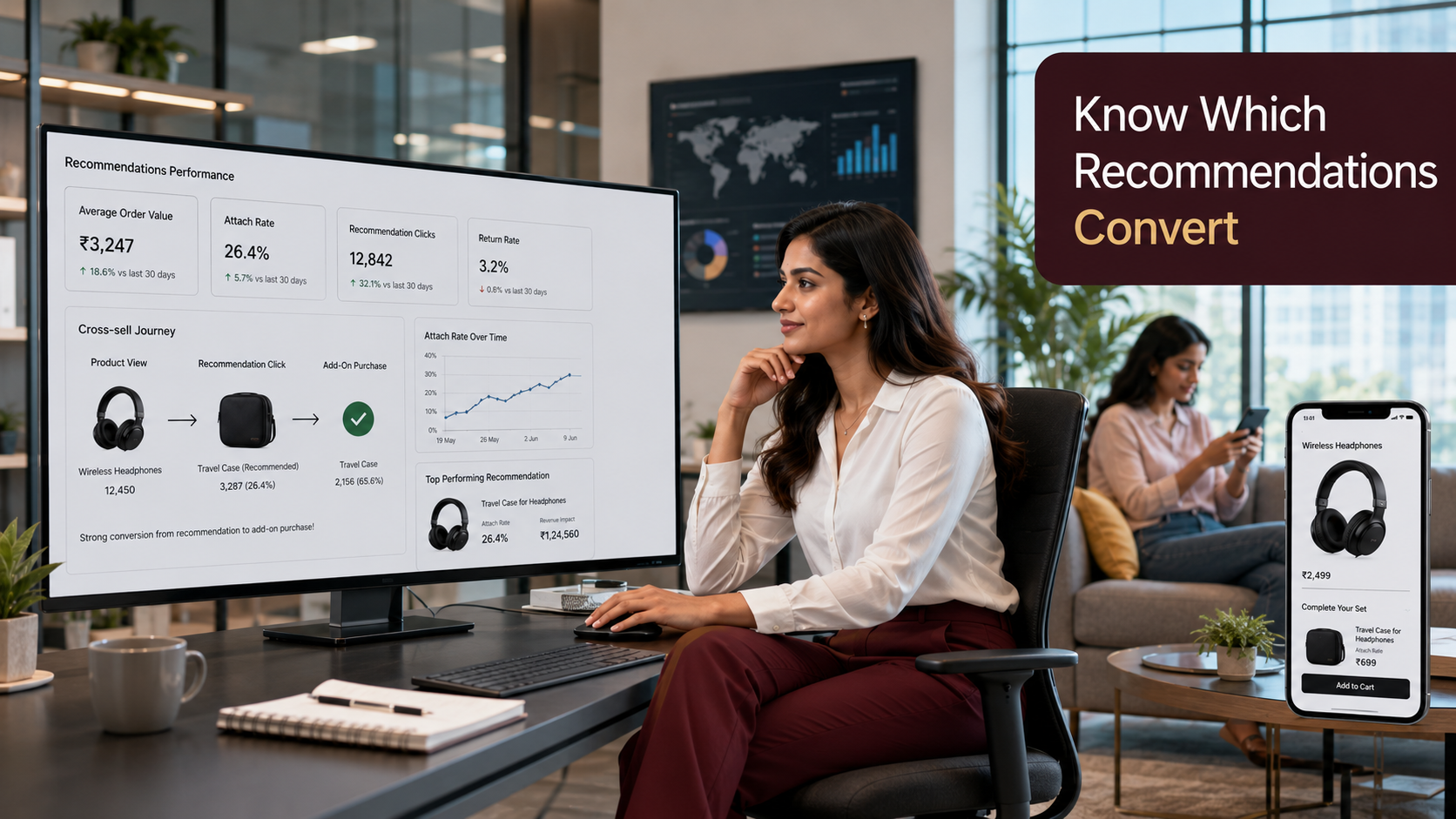
- Average order value: the clearest signal, tracked before and after a specific cross-sell placement goes live
- Attach rate: the percentage of orders that include the recommended item, which shows whether the suggestion is actually landing
- Click-through on the recommendation itself: low clicks despite high traffic usually means the suggestion isn't relevant enough
- Return rate on bundled items: a spike here is a strong sign the pairing didn't actually make sense to the customer
Test one placement or one type of recommendation at a time. Changing the product page suggestion and the checkout upsell in the same week makes it impossible to tell which change actually moved the numbers.
How Does The Right Platform Make Cross-Selling Strategies Easier To Run?
None of these tactics work well if the backend can't support them. A cross-sell suggesting a product that's actually out of stock, or a bundle that ships from two different warehouses on two different timelines, undoes the trust the whole strategy is trying to build.
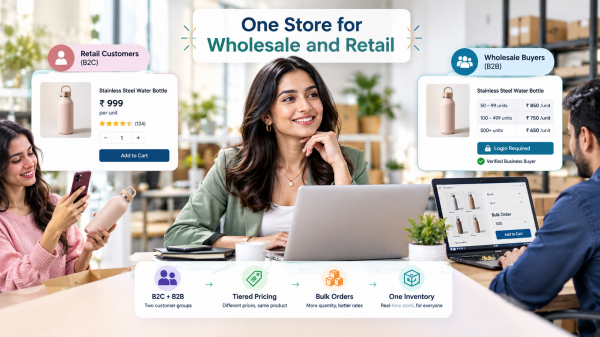
This is where Shopaccino's integrated inventory and multi-warehouse order fulfilment matter more than they seem to at first. Because stock stays accurate across the entire catalog automatically, cross-sell suggestions only ever point to products that can actually ship, and bundled items get fulfilled together instead of arriving days apart. For businesses running both wholesale and retail from one system, the platform's B2B and B2C commerce setup also allows businesses to manage cross-sell opportunities across both sales channels from the same platform, without needing two separate storefronts to maintain. And for brands selling across regions, built-in multi-currency and region-based pricing keeps bundle pricing accurate no matter where the customer is checking out from, so the savings shown on a bundle are always correct, not converted awkwardly at the last step.
Final Thoughts
The cross-selling strategies that customers actually like all share the same underlying logic. They respect the customer's time, connect to something they're already trying to do, and never make the checkout harder to get through. Get the relevance and timing right, keep the backend accurate enough to back up every suggestion, and cross-selling stops feeling like a sales tactic and starts feeling like the store simply knows what it's doing.
FAQs
Cross-selling recommends a complementary product alongside the one being purchased, like a case with a phone. Upselling suggests a higher tier version of the same product. Both aim to increase order value, but they work through different customer logic.
The product page and the cart stage tend to work best, since interest is already high and the suggestion feels like a natural next step. Avoid interrupting the actual checkout flow, since that's when cross-sells feel most like pressure.
Yes, when the savings are clearly explained. A bundle that shows exactly what's being saved reads as a deal. A bundle price with no context often gets ignored or feels confusing, which reduces its effectiveness regardless of the actual discount.
One or two highly relevant suggestions outperform a long list almost every time. Too many options increase decision fatigue and often result in the customer choosing none of them instead of picking one.
Yes. Replenishment reminders and post-purchase emails based on what was actually bought are some of the best received cross-sell strategies, since they arrive when the customer is likely to need something related, not immediately after paying.
Yes, though it looks different. B2B cross-selling usually centers on bulk add-ons or complementary wholesale items tied to order quantity, rather than the impulse-driven suggestions that work well in retail settings.